Autumn and spring are generally when one should be at the Great Ocean Road; in those months Victoria is apt to put on mild weather and the crowds are not so much of an issue, making for pleasant coastal walks and scenic detours. Then there is summer with its long days ideal for the beach, or winter which has its own appeal with dramatic skies, more rain and fewer people about.
If you want the full Great Ocean Road experience, the period from March through May or September to November will suit most travellers. I have done my share of coastal drives and can tell you that Abigail Winterbourne does not believe in the “quick stop” as a rule of thumb. For the stretch from Torquay to the Twelve Apostles I would put down a minimum of two days. A unique reverse Great Ocean Road trip can also offer a different perspective. A properly planned road trip means you do not have to make a timed exam out of every car park and can put in some time for the surf breaks, wildlife, waterfalls and the Great Ocean Walk.
Best Season For Your Trip
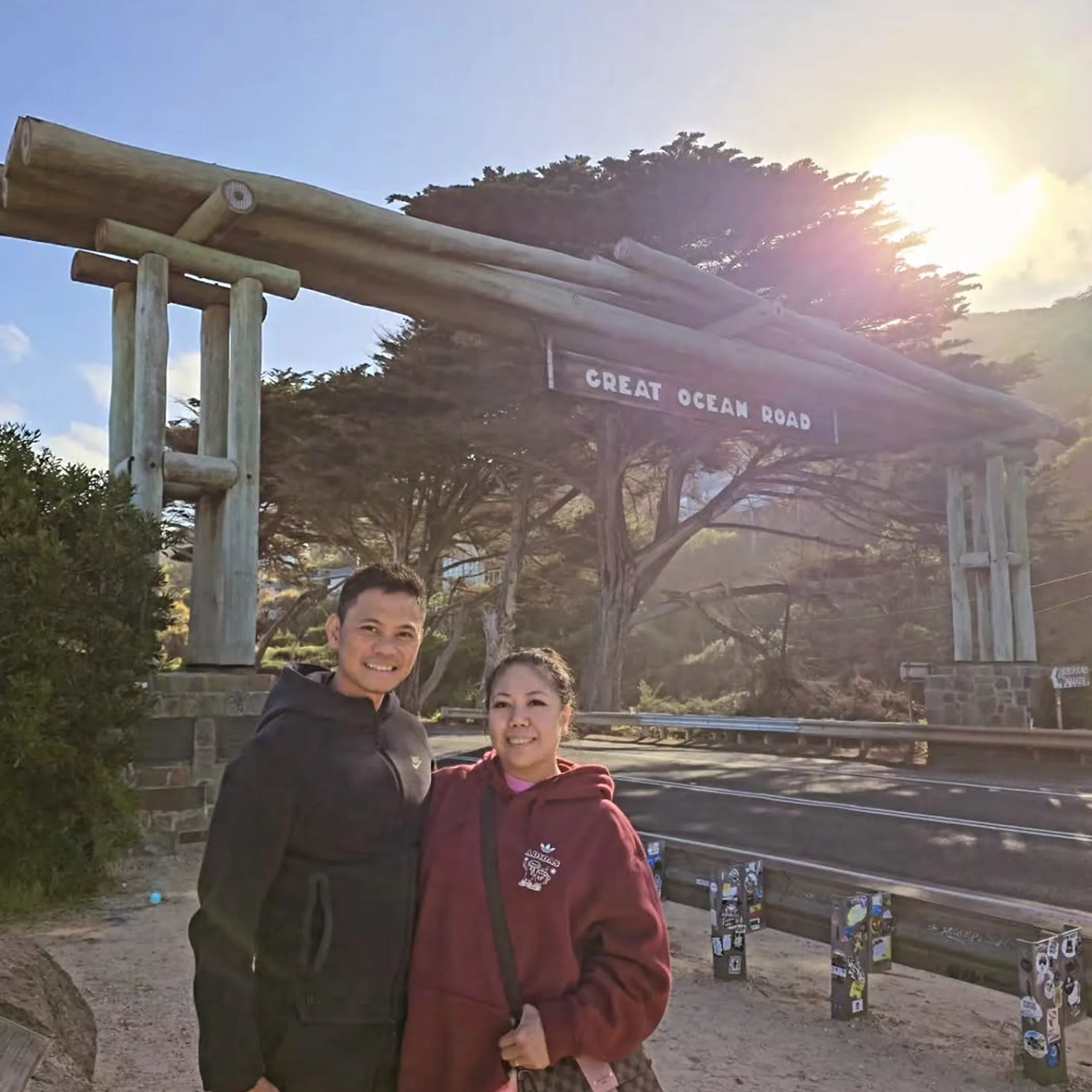
It is a matter of what you are after. Summer for your swimming and surfing, autumn if you prefer easier self-drive conditions, winter for some moody coastal views, spring for fresh greenery and mild temperatures. There is no month that is perfect for all. Whether you can stand the crowds at the 12 Apostles or need warm beach weather will determine the right time for you in Victoria.
Quick Seasonal Comparison
| Season | Typical Experience | Best For | Watch Out For |
|---|---|---|---|
| Spring | Fewer crowds (outside school holidays), variable and mild | Gardens, waterfalls, walking and a bit of flexibility | Wet weather can leave tracks slippery and wind up |
| Summer | The coast is at its busiest, beaches are in vogue and daylight is long | A family holiday, photography, surfing and swimming | Hot inland, full accommodation and the peak-season hordes |
| Autumn | Softer light, less traffic at the stops and comfortable to drive | An overnight or first visit and good for photos | Now and again a strong wind, daylight wanes |
| Winter | Ocean is in force, expect some rain and cooler days | To be alone with the scenery or watch a storm | Not much daylight, cold when the sun goes down and wet roads |
Do not take these as any kind of guarantee, they are merely patterns for your planning. The weather has a way of turning fast on the coast. Before you head off for an early morning drive or to see the waterfalls, look at what the Bureau of Meteorology Victoria has to say.
Great Ocean Road Weather By Season
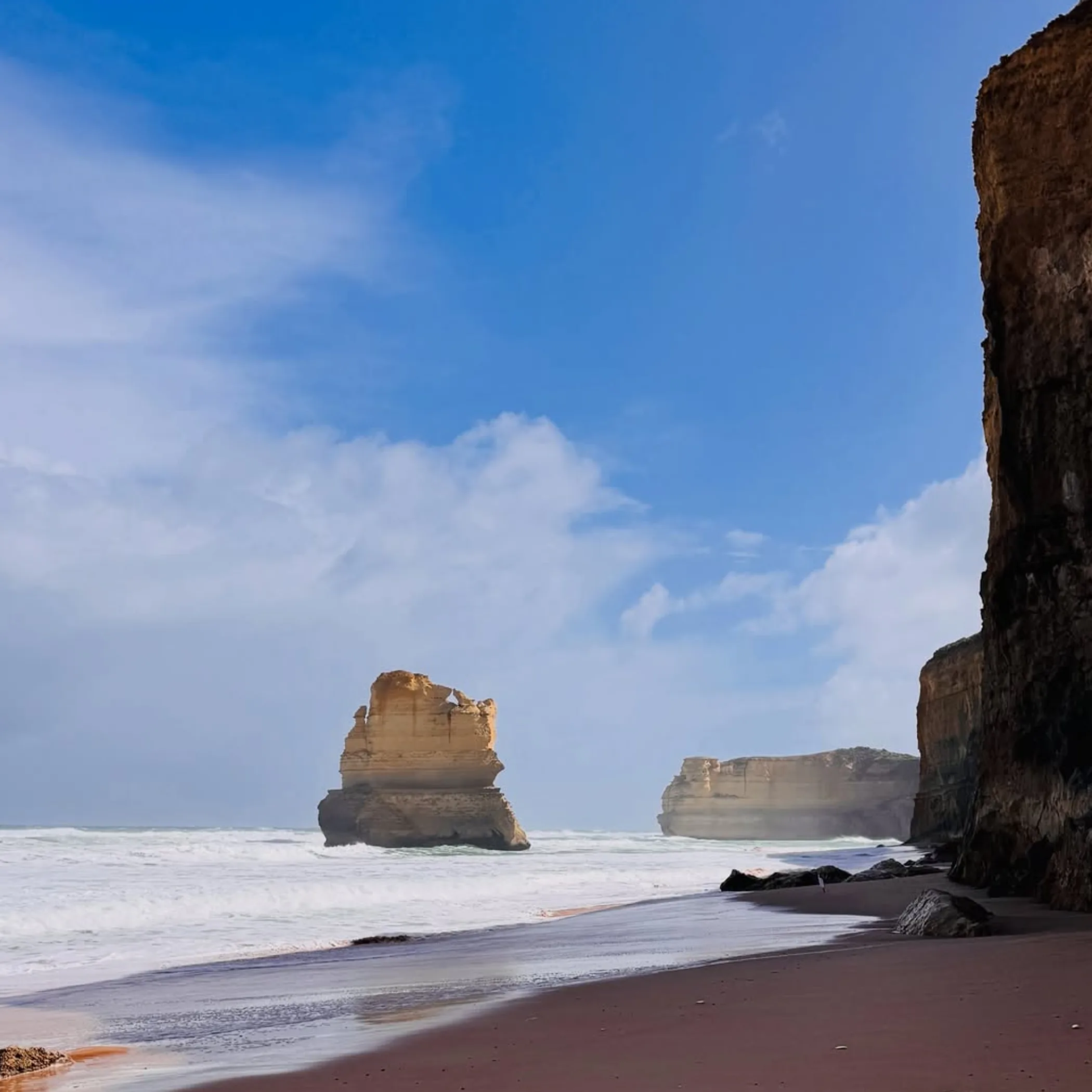
One could call it changeable, but the coast of Victoria is notorious for it. You might set out from Melbourne with nothing but blue sky, have a coffee in Torquay and find yourself under a cloud bank in Port Campbell that seems to have a personal grudge against your picnic.
My advice is to pack layers come what season. Sturdy shoes, some water and a light waterproof are worth more than a suitcase of outfits based on wishful thinking.
Spring Brings Flexible Conditions
Between September and November you will find a good mix of mildness and space to move around. It is fine for a walk or to put in a few miles on the Great Ocean Walk and enjoy the colour of the coast. But then there is always the possibility of rain. After a wet spell the waterfalls are more impressive, though if you have made the mistake of bringing white sneakers and little in the way of foresight it is not as useful. Make your 2026 itinerary for the Great Ocean Road with some give in it.
I would say spring is well worth considering if you also intend to make some stops in the Otways. Get an early start and have your waterproofs to hand, do not try and fit everything in for the day.
Summer Suits Beach Days
For long days outdoors and a spot of surfing or swimming the summer season is without question the easiest. With the longest hours of daylight December to February will allow you to do Torquay, Lorne and Apollo Bay as well as the 12 Apostles in an overnight.
But it is peak season. Do not be fooled by travel reels into thinking the route is unexplored; the viewing area at the Twelve Apostles will be packed midday and car parks fill up. Accommodation is more expensive. Put in a booking ahead of time and have food on hand for any dietary requirements. Once you go west the services thin out, although the larger towns have their cafés and shops. And for the love of it, do not leave anything of value where it can be seen in a parked car. If you are going to swim, make sure there are lifeguards on duty.
Autumn Makes Driving Easier
When I am in the mood for a leisurely road trip on the Great Ocean Road I tend to favour autumn. For the most part, one will find the road easier to drive from March through May, with a softer light for your camera and the crowds of the summer rush having thinned. It is an opportune moment to put in a proper stop instead of making of lookouts what are little more than fridge magnets. Make Lorne, Apollo Bay, the Otways and Port Campbell part of your plan and pick a way back that spares you from having to retrace the whole of the coastal road in the dark.
An evening in autumn has a coolness to it, close to the ocean at any rate. You may want to factor in accommodation with heating. With the sun going down early there is no point in putting off the 12 Apostles to the eleventh hour unless you are inclined to put tired eyes to the task of some unaccustomed roads.
Winter Rewards Patient Travellers
The Great Ocean Road in winter is a quieter, wetter and cooler proposition. Between June and August you can have large swells and dramatic cloud cover over a coastline of quite another character to the summer one.
Those who would have photography, a room with cosiness and fewer people about them rather than go for a swim will find winter to their liking. Rain has a way of making the waterfalls more so, but it also makes trails muddy and the wind is something to contend with on an exposed lookout. Factor in some time for the state of the roads and see if there are any closures before you set out. As for the cliff edge or an unstable rock platform, do not be tempted to walk near them or the size of the waves. The ocean does not care for your confidence and has never been moved by a selfie stick.
Best Month For The Twelve Apostles
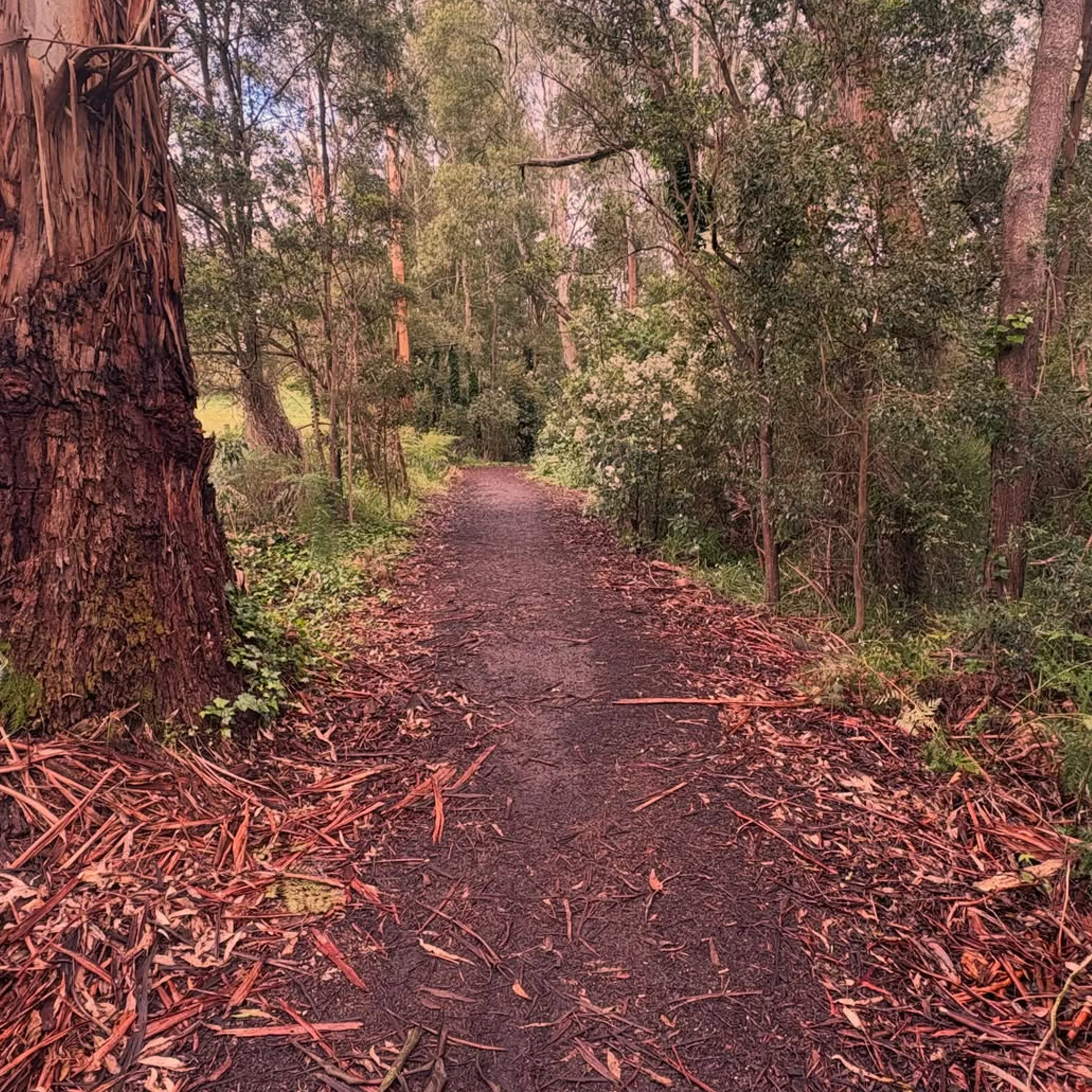
If the Twelve Apostles is what you have in mind for the Great Ocean Road, which month should you make of it? April is hard to beat for a well balanced visit; conditions are as a rule comfortable, there is less of the summer pressure and the odd change in the weather presents good viewing. Spring landscapes and walking are better had in September or October. December to February will give you longer days and the beach is clearer, provided you can handle the peak season numbers and have made your bookings in advance.
Time Your Viewing Carefully
You will usually be better off in the early hours or late afternoon to see the 12 Apostles, when the tour groups are not as thick as they are midday. A grey morning need not be a lost cause given how fast the light can change on the cliffs.
Set aside 45 minutes or so for the main area, to get from the car park and take in the signs as well as your photographs. Put in more time for the coast or a nearby vantage point. They are stacks offshore after all, no amount of squinting is going to make of them a beach promenade.
Consult the park notices and official information prior to your travels. Storms and erosion will alter safety advice and coastal conditions without notice.
Build A Realistic Road Trip
Do not think of a Great Ocean Road trip as a race from Melbourne to the Twelve Apostles. With the slower traffic and the winding nature of the road, map distance is no guide to the length of the day. Two or three days is what we would allow for a first timer. A one-day return is doable but it is a long day with not much walking and you will likely be taking inland roads to get back.
One-Day Priority Plan
Make for the stretch from Torquay to the Twelve Apostles in the one day, do not try to tick off every town. Get out of Melbourne at first light and a brief halt at Bells Beach or Torquay, have your food and breaks in a couple of towns and devote your viewing to the Port Campbell National Park.
This is no way to travel if you have an aversion to early rising or a schedule that is too tight. Nor is it any good for getting in a solid bit of the Great Ocean Walk. To make the day less of an effort, book an organised tour or a one-way rental to come back from the west. See what the vehicle and luggage restrictions are before you put your name down.
Two-Day Overnight Plan
With two days the balance is right. Day one is for the journey to Torquay, Lorne and Apollo Bay from Melbourne, with time to spare for a café or some of the waterfalls and lookouts. Put up somewhere like Apollo Bay or Port Campbell to keep the driving to a minimum the following day.
Then on day two you can put in the Twelve Apostles and the rest of the coast and head back to Melbourne the inland way if you are feeling done in. That way you avoid the winding coastal road and know when you will be arriving.
Three-Day Slow Travel Plan
For the traveller with a taste for good local food, a short walk and no rush to get on with things, three days is ideal. Make of your first day an exploration of Torquay and Lorne, put in the second around Apollo Bay and the Otways and reserve the third for Port Campbell National Park.
A plan of this length has the added advantage of a buffer should you be put off by wind or rain, or find a café stop turning into a full lunch without meaning to. I made the error on an early coastal outing of thinking each scenic spot would be over in ten minutes; it was not, the ocean had other ideas.
| Trip Length | Realistic Focus | Best Suited To | Main Limitation |
|---|---|---|---|
| One day | Torquay, 12 Apostles and a few coastal stops | Those short on time | A long day behind the wheel with little give and take |
| Two days | Port Campbell, waterfalls and the coastal towns | The majority of first timers | You will have to plan your accommodation ahead |
| Three days | Slower sightseeing, the Otways, wildlife and some walking | Relaxed travellers, photographers and walkers | Higher cost for food and where you stay |
Logistics to keep headaches at bay
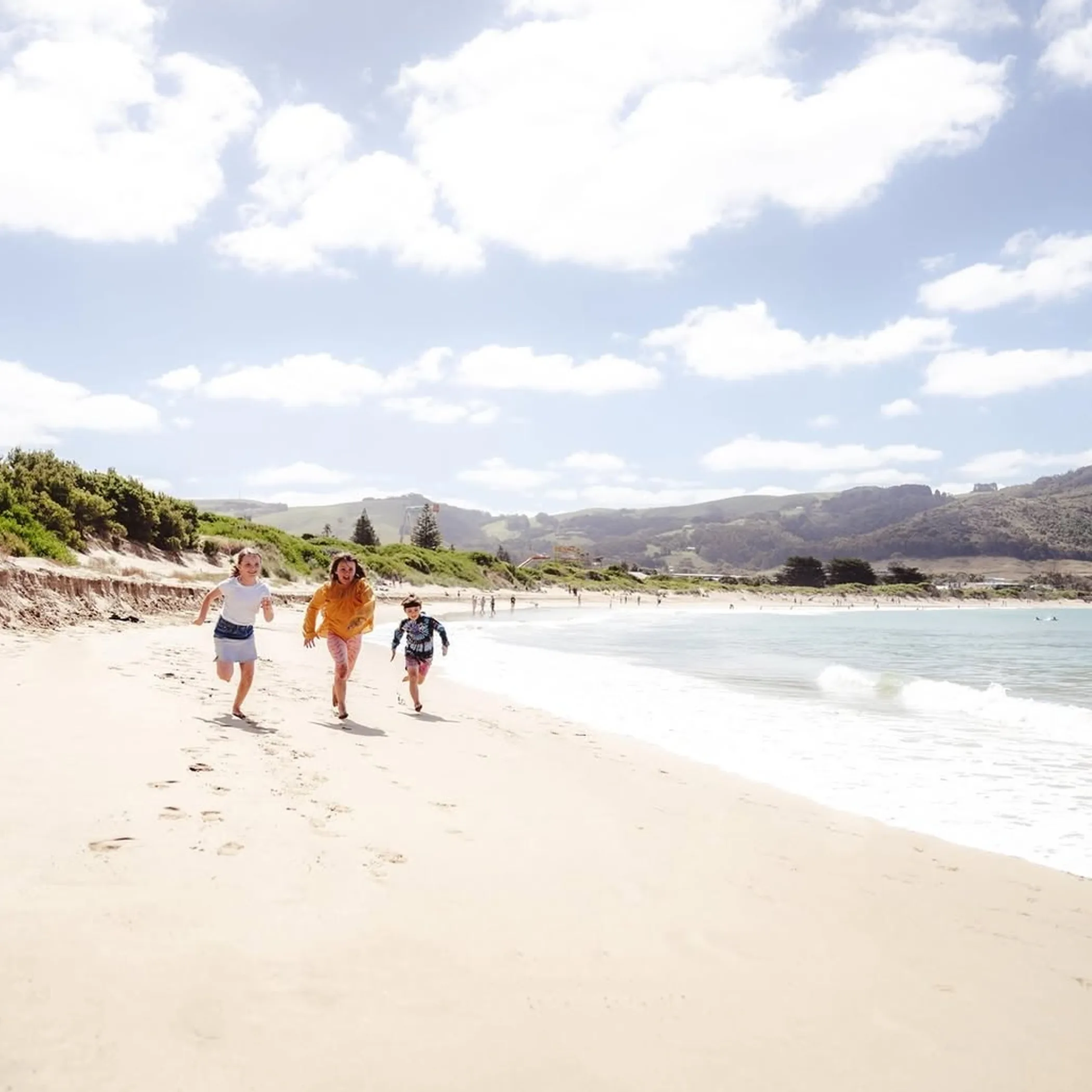
Self-drive is the way to go if one wishes to make a point of visiting waterfalls or smaller scenic spots and the like. While public transport will see you to some towns, it lacks the flexibility of a car on the coastal route.
Put fuel, parking and meals in your budget as well as a place to stay. A day trip will run you more than the price of petrol once you factor in tour fees or a meal. Travel dates, what you are driving and the season will account for most of the variance.
Fuel And Food
Top up the tank prior to any lengthy rural stretches, all the more so in a vehicle with a modest range. Have some snacks and drinking water to hand and do not count on a lookout having a bin, reception or a toilet. The major towns of Torquay, Lorne and Apollo Bay are your surest bet for supplies. Port Campbell will do for the west end but outside of busy times their hours may vary.
Tides and Tracks
If you are to be on the beach or low platforms along the coast, consult the tides first. Stay back from unstable rock and cliff edges and never cross rising water. Exposed coastlines call for close watch over any children or dogs.
Then there is the Great Ocean Walk with its stairs, uneven ground and weather that can turn on you. It is not something for a beginner or anyone in casual shoes unless they pick a marked section and let someone know of their intentions before setting off alone.
Expectation Versus Reality
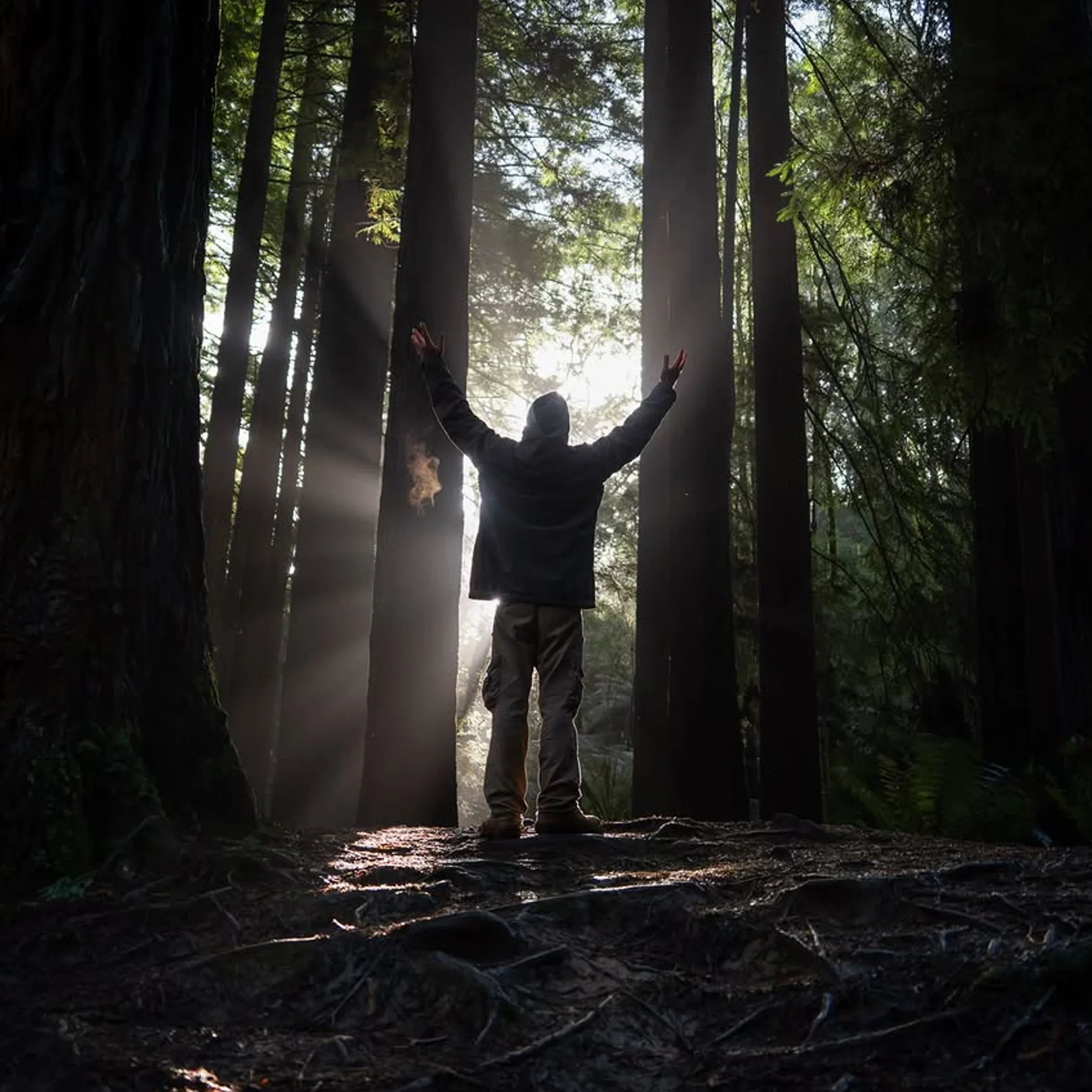
You may imagine a road with a view at every bend, but in reality there are coach parties, traffic, roadworks and patchy reception to contend with and some stops will not be as brief as you had in mind. But then you are better rewarded for the ordinary travel. An unheralded wildlife encounter or a coffee in Apollo Bay after a shower can be what you remember of the itinerary.
- Before you set out, look at the weather, the roads, park notices and whether you can book in.
- Be sure to have sun protection, layers, sturdy shoes, food and water with you.
- Get an early start on the popular haunts and do not put it off to the last hour of daylight.
- Put valuables away and make sure to dispose of your rubbish.
- On winding roads or when you want to put the camera to use, build in some extra time.
Frequently Asked Questions
Below are the sort of questions put to us most often when putting together a Great Ocean Road itinerary for 2026. The answers are straightforward but you will want to make your own call in light of the weather and how you feel about the drive.
What Month Is Best For Great Ocean Road?
April tends to be a fine all-round option, the autumn giving you softer light and comfortable conditions with less of a crowd than in summer. For spring scenery and mild weather September and October are not bad. If beaches and daylight are the order of the day then December to February is the time, but you will be dealing with peak demand.
How Many Days Do I Need?
Two is enough for a first visit, three if you intend to see the waterfalls and take your time. One can be done but you will be starting early and face a long journey back to Melbourne with not much room to manoeuvre.
What Is The Most Scenic Stop?
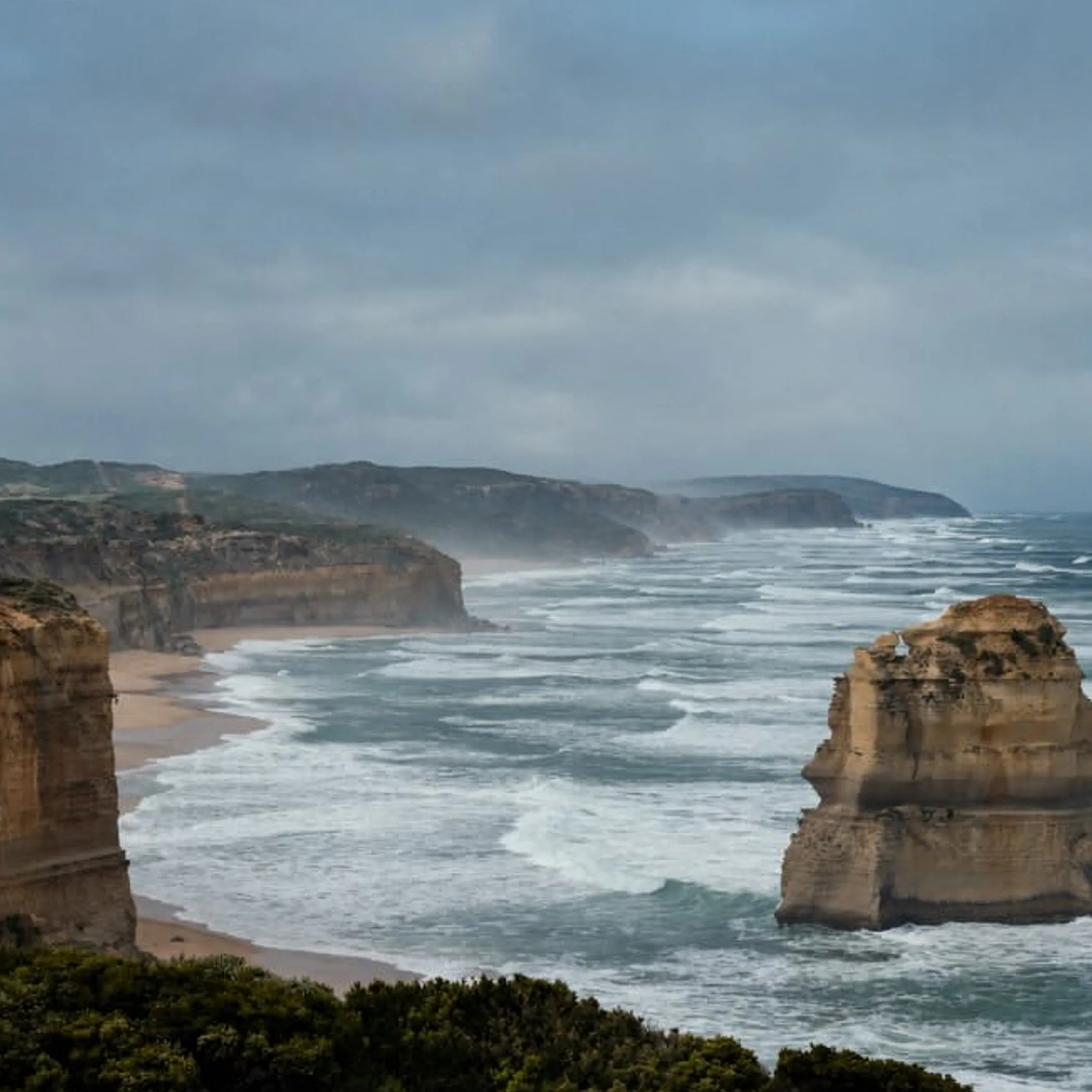
The Twelve Apostles is the name on everyone’s lips but the experience is dictated by the time of day and the weather. The cliffs at Port Campbell can be very impressive as the light changes and the Otways are another matter altogether with their forest and wildlife.
When Is The Best Time To See The 12 Apostles?
Make it morning or late afternoon to avoid the worst of the crowds. April and the months of September and October strike a good balance, though the coast can change in an instant.
Is Summer Always The Best Option?
Not necessarily. It is the best for swimming and the hours of daylight but also the priciest and most crowded. Autumn or spring will suit those who prefer to park with ease and have a comfortable walk.
Choose Your Coastal Window
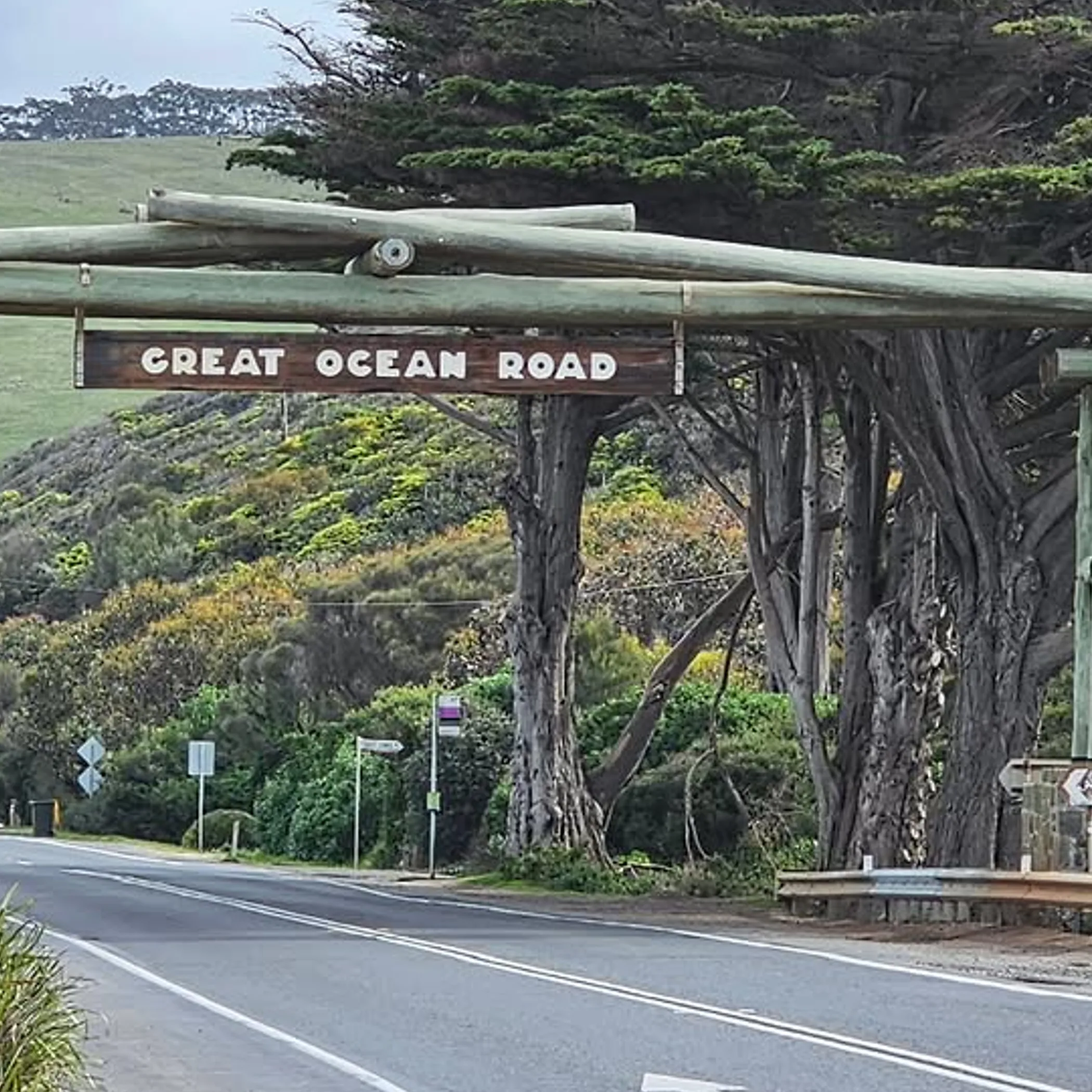
Go with the season that serves you. For a balanced road trip there is autumn, for flexible walking and to miss the crowds spring, for the beaches summer and for dramatic weather and some peace winter.
Whatever month you are in, do not put as many stops on the schedule as you might think and leave yourself daylight for the return. You could even reverse the trip from the Twelve Apostles to Torquay, but the rules are the same: respect the coast, take your time and be open to what comes along.