WSUD Australia 2026 Guide
With Water Sensitive Urban Design (WSUD) one does not simply pipe off stormwater as a nuisance and be done with it; it is about making water part of the city. WSUD is the integration of public spaces, urban greening, groundwater, wastewater and water supply with drainage for the sake of more resilient, cooler and healthier locales.
In this guide we cover the realities of maintenance, compliance tools, council approval and the principles and treatments of WSUD found throughout Australia. I am Abigail Winterbourne and from the Sunshine Coast I can tell you that water will take the path of least resistance downhill, come the heavy summer rain, and more often than not that is over a driveway.
What constitutes WSUD in Australia?
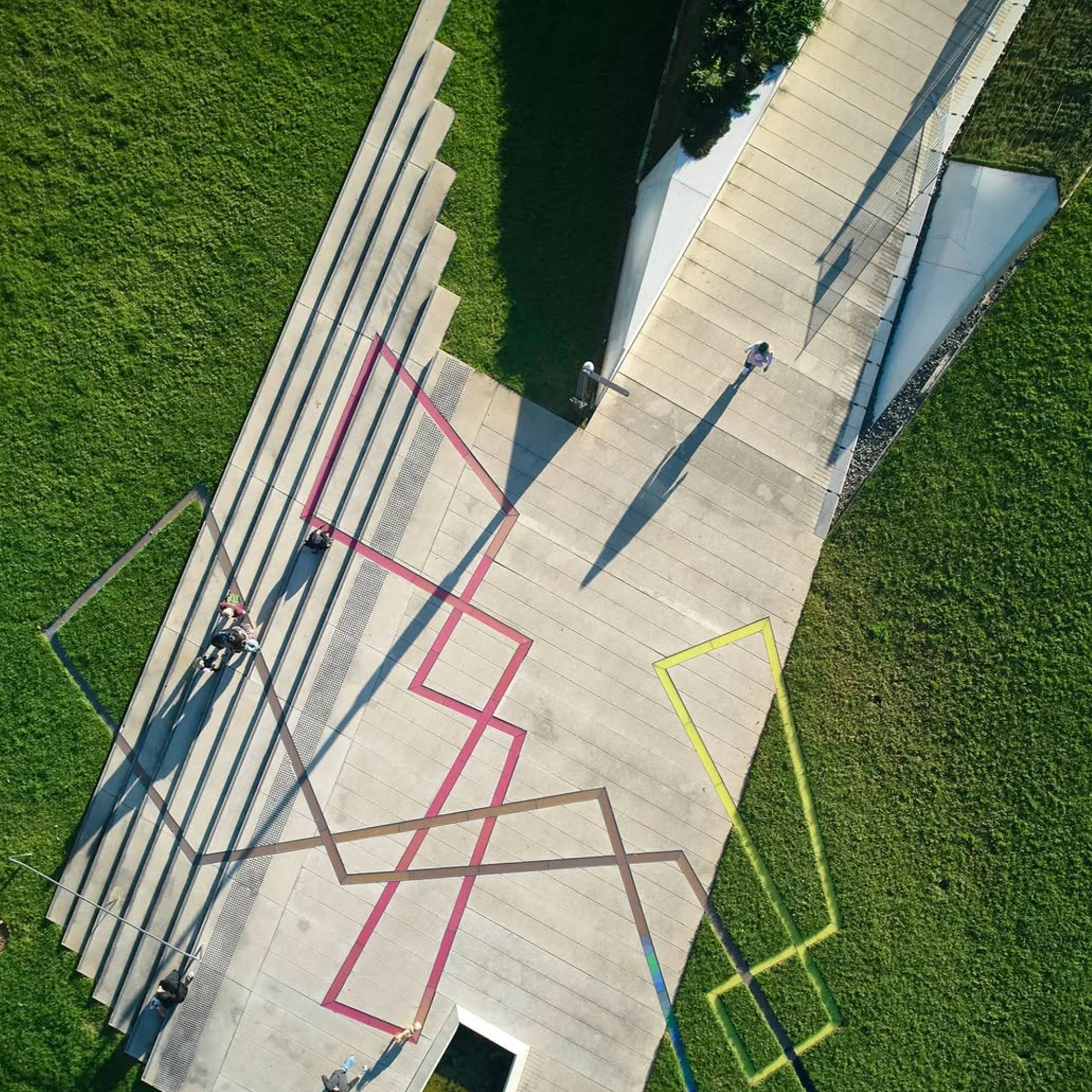
It is an approach to the urban water cycle in its entirety, from the way water moves through a development to its eventual disposal. WSUD may involve the protection of waterways, flood management, infiltration and reuse of stormwater, or harvesting rain. Rather than have water supply, wastewater and stormwater as separate and unconnected systems, WSUD is concerned with their interplay. On a properly planned site you will see runoff being held up by a rain garden, roof water put to use in a tank, vegetation doing the work of filtering out pollutants and overland flow paths left open for when the rains are at their worst.
One System, Several Benefits
The scale of WSUD can vary. There is the home with permeable paving and a tank, then there is the subdivision with swales and constructed wetlands. At the level of the whole city a programme might tie together the restoration of a waterway, some public open space and an upgrade to the drainage. The idea is not to turn every site into a wetland but to have infrastructure that is reliable and makes for good liveability and biodiversity while water is put to safe and useful purposes. It also supports property drainage upkeep.
Why it is of import in 2026
New developments in Australian cities can ease the strain on drainage networks or they can create costly headaches for the next few decades. With population growth, urban heat and protracted dry spells giving way to hard rainfall, the decisions made now count. And one has to account for the fact that conditions differ. What is a sound solution in one place will be rough as guts in another; the Top End has its seasons, southern cities their hot summers after a winter deluge, and in northern Queensland there is the matter of cyclones from November to April.
Reality Check
Some would have you believe WSUD is a decorative rock garden. In truth it is technical. Groundwater, soil depth, hydraulic loading, overflow and the like must be taken into account. Do not be surprised to find that a treatment device is no substitute for conventional drainage. WSUD is only one element of a comprehensive strategy for stormwater management in Australia and will be working in concert with pipes, kerbs and detention systems.
Building Better Urban Water Cycles
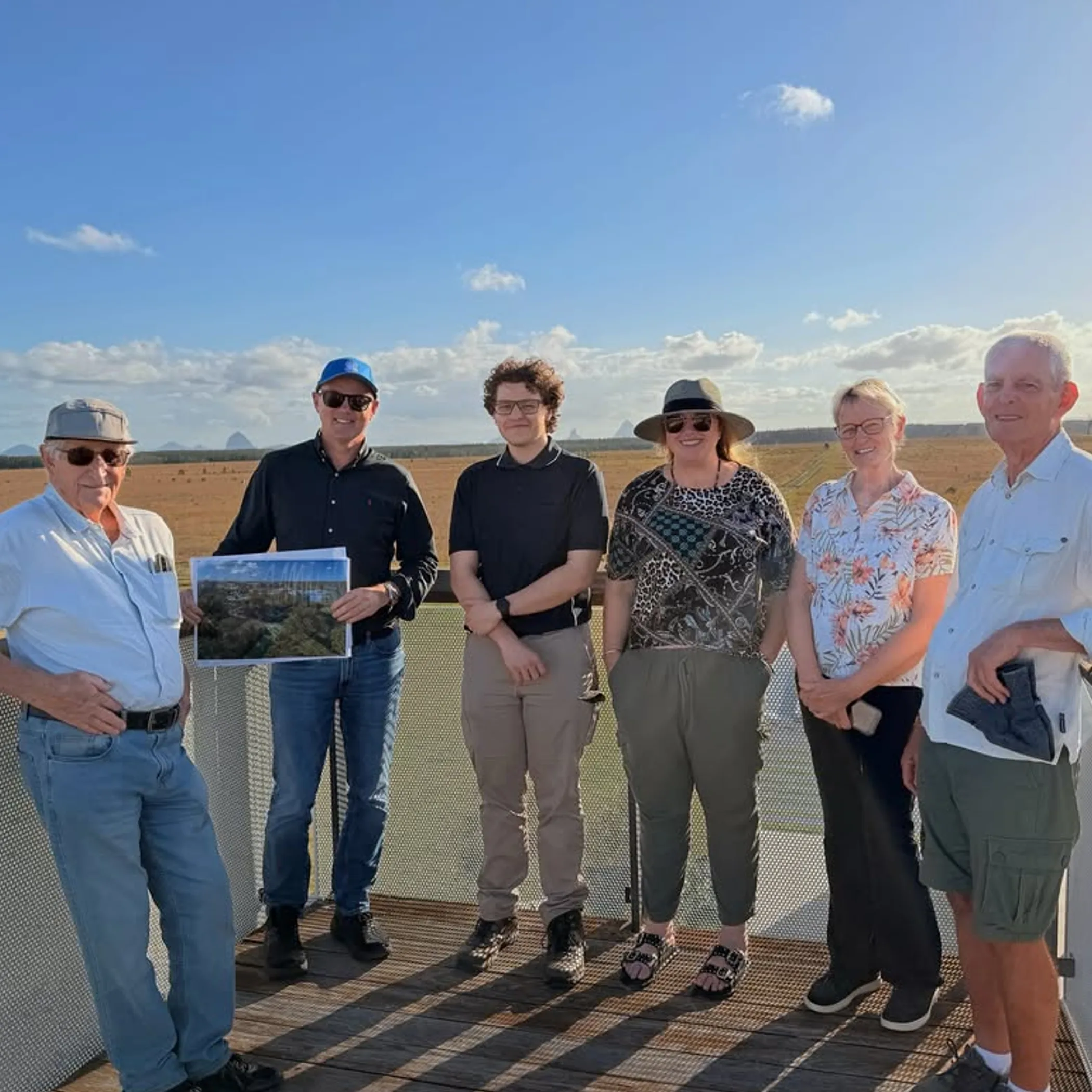
Practicality is at the heart of the guidelines for water sensitive urban design: cut down on pollution, handle flood risk, make efficient use of water and put in place something people will want to use. The best projects have these things in mind before the roads and buildings are set in stone.
Natural Waterways
Wherever possible development ought to leave natural drainage patterns undisturbed. That requires an eye for the catchment, wetlands, floodplains and any downstream properties when laying out a treatment plan. Exposed soil will end up in your drains after one storm if you are not careful with construction sediment, so temporary erosion control and stable access are a given in responsible planning.
Efficiency in Water Use
Collecting from the roof for the laundry or the toilet, where the design and permissions allow, is a way of lessening the call on drinking water. Fixtures and planting suited to the climate do the same for mains supplies. But safety is paramount in any reuse; a rainwater tank is no magic jar. Plumbing, backflow prevention and health regulations require a professional hand.
Making it Work for People
There should be shade, a decent walking route and some appeal to the street. Put a treatment area in the right spot and it is a feature of the landscape, not a dead zone behind a fence. Equally, one has to think of the risks posed by a steep batter or poor lighting around a basin from the outset.
Stormwater Treatment Features
To get the most from them WSUD features have to be chosen with the site in view, be it for the slope, the size of the catchment, the soil or the capacity to maintain them. An option may have the most striking appearance and yet not be the correct choice; in some instances what is sensible is an answer that a council crew will be able to inspect.
| Feature | Main Function | What planners typically consider |
|---|---|---|
| Rain Gardens | Runoff is filtered by the vegetation and planted soil | Access for maintenance, overflow design, inlet protection |
| Permeable Paving | A paved surface through which rainfall can infiltrate | Traffic loading, any risk of clogging, subsoil |
| Rainwater Tanks | For approved non-potable use, roof runoff is captured | Plumbing, mosquito control, sizing of the tank and overflow |
| Swales | To filter, convey and put the brakes on shallow surface flows | Vegetation, mowing access, safety and the longitudinal grade |
| Retention Basins | Stormwater is held or retained for a time | Drainage, public access, embankment stability and flood safety |
Select treatments with the site in mind
A rain garden will work well in a residential development, car park or on many streets provided one has properly called out the drainage layers, overflow structures and soil media. With permeable paving there is a way to cut down on surface runoff, though it is no good if the ground below will not take the infiltration or sediment gets in the way of the pavement.
There must be room for swales and a grade to suit them; do not try to fit one in a narrow strip and have water ponding next to the footpath. And where open space is used by pets, pedestrians or children, the safety planning for retention basins has to be done with care.
Construction Planning
In the course of project discussions I am apt to see WSUD put in the same category as a finishing detail. That is an error. Once the site is filled and compacted and you have construction sediment to contend with, putting in a rain garden is more difficult and its performance could suffer.
The treatment areas are to be protected from heavy vehicles and uncontrolled sediment while the work is being done. Verify the final levels are in accordance with the drawings. It only takes a couple of centimetres to make the difference between water going into the system or around it.
Flood Risk and Pollution
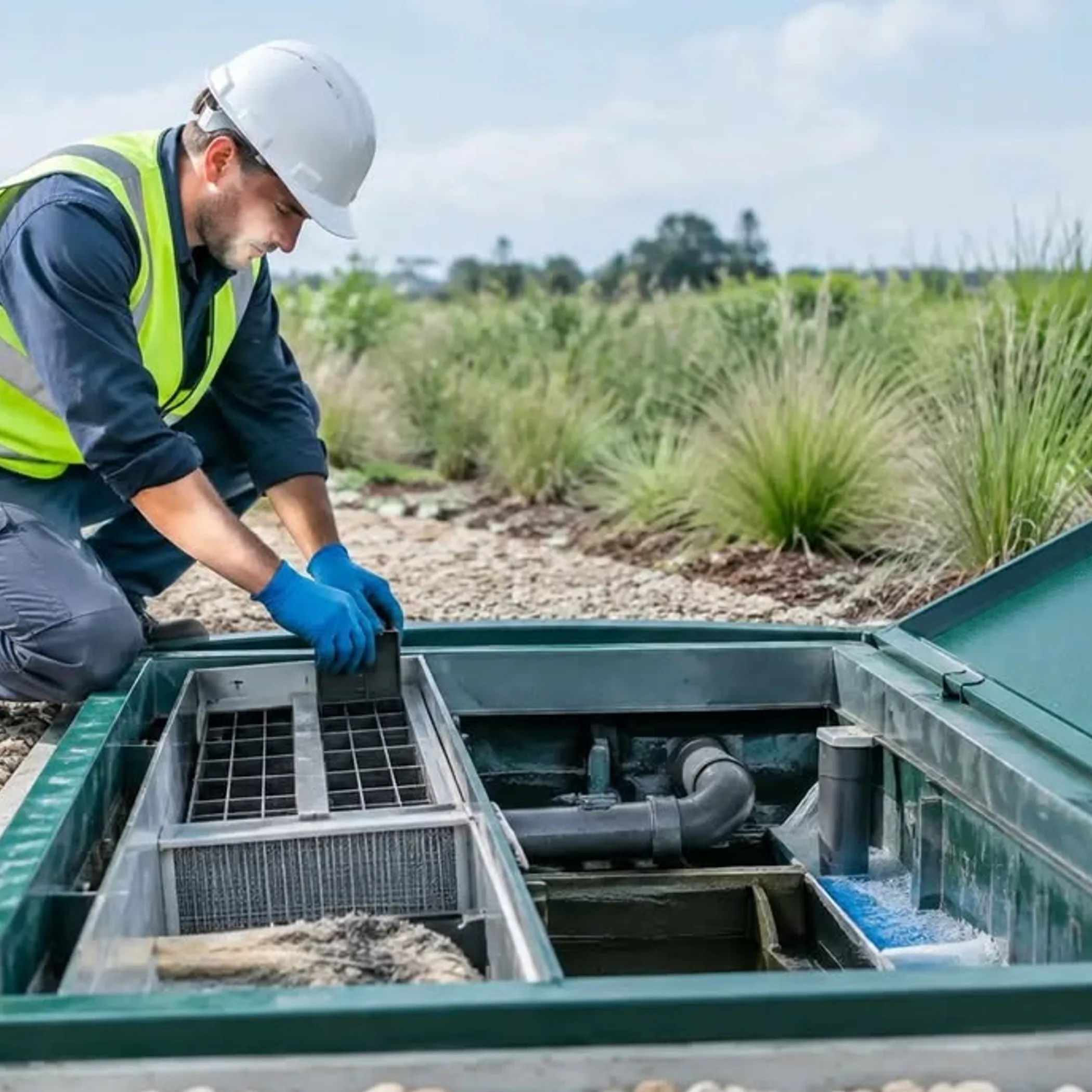
Roofs, yards, roads and construction sites all contribute their share of pollutants to stormwater: oils, nutrients, litter, leaves and sediment. To prevent this from making its way to a creek, lake, estuary or the coast, WSUD employs a treatment train of several measures.
Performance is measured in terms of phosphorus, nitrogen and total suspended solids among other things. The targets are set by the approval pathway, the catchment, the type of development and the jurisdiction. Do not put numbers from a previous project in your plans; get the authority to confirm what is current.
Dealing with a major storm
The bulk of the rainfall is handled by the treatment systems, the larger events by the drainage infrastructure. While the 1% AEP flood risk is a consideration in planning, so too are overland flow paths, emergency access and finished floor levels as per local studies.
It is not a question of blocking a lawful route of flow to put in a prettier garden bed. Water has to have a safe way off from people and buildings when a storm comes. High-flow routes, check dams, detention storage and overflow pits have to be in harmony.
Maintaining Pollution Controls
On paper a system may be adequate but in practice it will fall short if the inlet is clogged with sediment or the overflow blocked. What matters is the quality of the construction and after care, not the engineering model alone.
Make note of inspections, put in new plants where old ones have gone, clear the litter and the inlets. Should sediment be a recurring problem, look to the source, be it an unsealed shoulder or a building site upstream, instead of just scooping it up time and again.
Liveability and Climate Resilience
By virtue of slowing runoff and offering some respite from local heat, WSUD makes for more adaptable public spaces and better protects our waterways. In a street with shade trees and water-sensitive landscaping it is more agreeable to be.
Where asphalt and concrete predominate in a dense area, urban cooling is of value. But the health of the plant, the volume of soil and canopy growth are what counts. One might as well expect instant shade from a small tree in a tight, compacted strip and then present the council with the bill for the disappointment.
For Whom?
From the developer to the resident, the council to the waterway manager and those who will have to maintain it later, WSUD is of benefit. New town centres, subdivisions, schools, industrial sites and road works are all good candidates.
But it is not a cosmetic fix to be put in at the end of the day. A novice can grasp the concept but on a complicated site you want civil, hydraulic, landscape and environmental experts to put their heads together.
Council Requirements and Guidelines

Every state and territory has its own rules and they will differ from one council to another and with the development. Expect different technical demands and assessment officers when it comes to a planning permit, subdivision or building and drainage approvals.
One should look to the Melbourne Planning Scheme, any guidance from the City of Melbourne or Wollondilly Shire Council, the 2026 Wollondilly WSUD Guidelines and publications from the Australian Water Association as well as New WAter Ways for pertinent references. Make sure the document is up to date and is one that will apply in the project area.
The Authority First
Prior to any detailed drawing work, put in place the responsible council, water and road authorities and the floodplain manager. Obtain the submission format, a current checklist, stormwater and MUSIC modelling (or like) expectations, what is required for maintenance and how construction inspections are done.
In Victoria it is helpful to use the Government’s planning and development information to get the context; read this in conjunction with the applicable council scheme, technical standards and permit conditions.
Local Variations Are To Be Expected
An inland council might be more concerned with infiltration, water security or flood storage than a coastal one which has its eye on pollutant loads in an estuary. Then there is the matter of soil, salinity, groundwater, bushfire risk and vegetation which will dictate the solution. Do not think that because you have approval in one municipality you will have it in another. The local requirements are there for a reason, to account for the waterways, assets and hazards of the area.
Evidence And Compliance
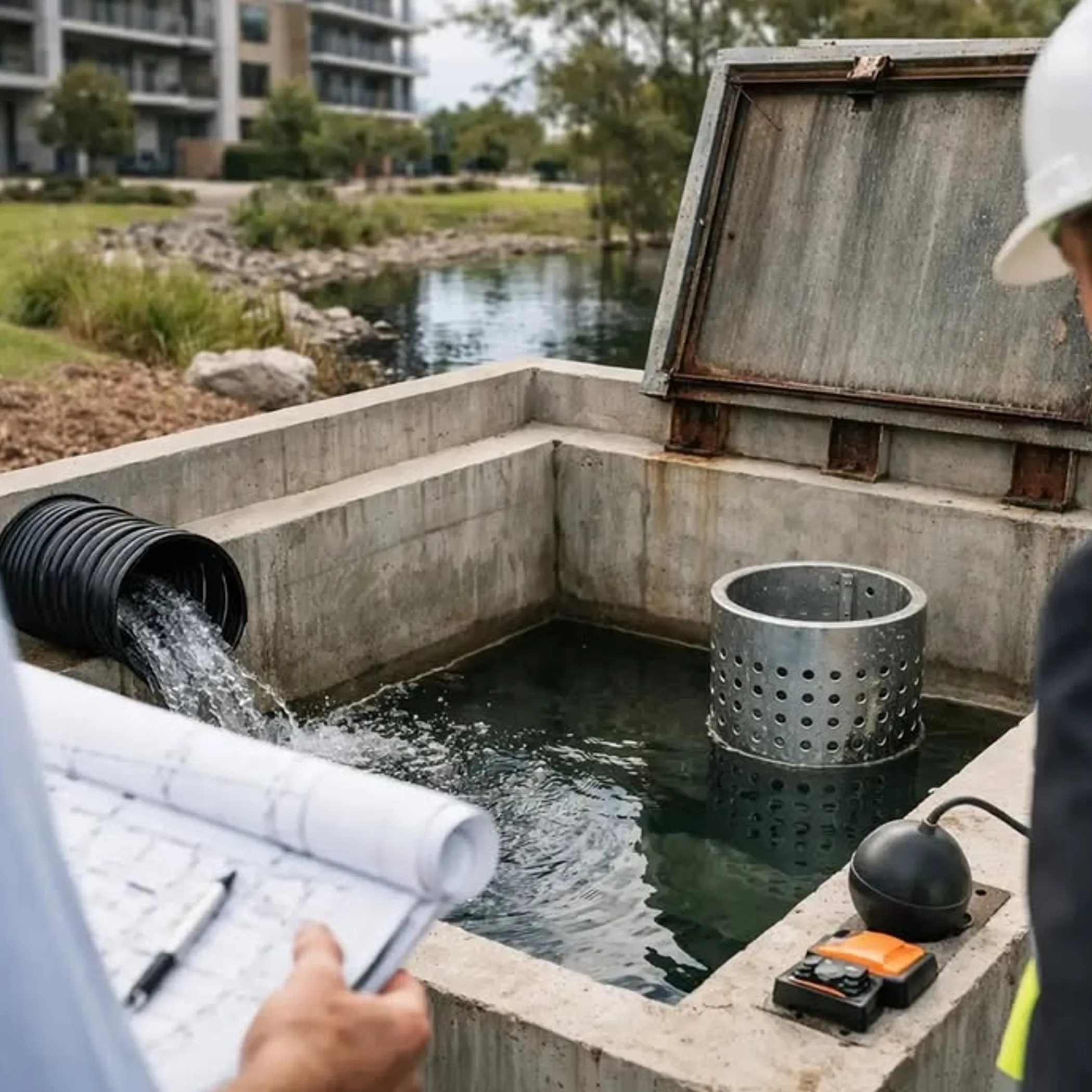
To demonstrate compliance with the hydraulic, environmental and maintenance side of things, drawings may not suffice. A council can call for soil testing, calculations, modelling, landscape and construction plans and schedules. For some development scenarios the STORM tool will give an indication of stormwater treatment performance; so too Bluefactor and the Torple Bluefactor Storm Guide in the course of WSUD assessment. But verify the version of the tool and the input assumptions before you put stock in the output.
Record Your Assumptions
Be explicit about catchment areas, impervious surfaces, rainfall, soil and bypass routes. The reliability of a model is only what you put into it. It is easy to make a mistake by altering the design once you have modelled it: put in a retaining wall, shift a roof outlet or scale back a rain garden and the water balance is changed. Reassess accordingly.
No Surprises At Approval
A well put together WSUD application will tell you where the water comes from and goes, how it is looked after and what happens if a major storm overwhelms the system. Should time be short, put your efforts into the site survey, the council checklist, preliminary concept plan and any existing drainage connections. There is no point in spending the day over ornamental grasses when the legal discharge point is still a question mark.
A Checklist In Practice
- Confirm WSUD requirements with the council.
- Put on the map the slopes, easements, overland flow and any drains or waterways.
- Look at the constraints from a soil, groundwater, flood or contamination perspective.
- Set your targets for flow and the likes of phosphorus, nitrogen and sediment.
- Have overflow and emergency access shown.
- Assign ownership and funding for inspections, cleaning and repairs.
Make allowances for the time it takes to get feedback from the council and do revised drawings, to say nothing of wet weather putting a hold on earthworks and surveys.
Long Term Performance
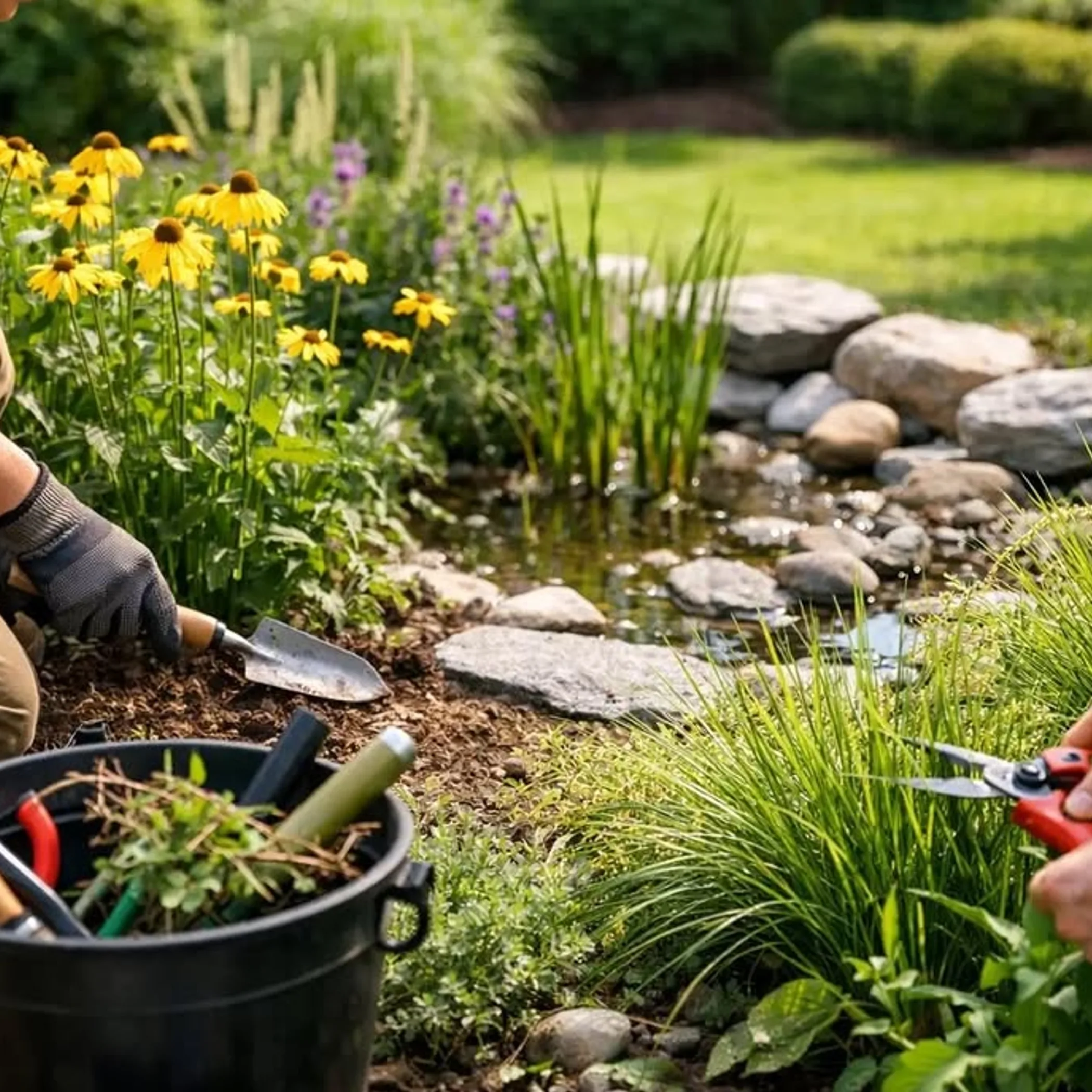
This is where a WSUD system either stands up to scrutiny or fails. Before you put in the first plant, have it in writing who is to pay for repairs and what happens to the sediment, and set a frequency for inspection. Routine matters such as weeding, litter and inlet cleaning are not just to keep the garden looking nice but are part of the property drainage upkeep, something property managers ought to appreciate.
Dealing With Reality
After a cyclone in the north or an intense winter in the south of Australia, go and have a look. Or when the ground is hard in summer and maintenance is no longer easy. Be mindful of the safety of workers and vehicles; a basin can have deep water, unstable edges, snakes or broken glass. If it is more than a bit of gardening, have a qualified contractor on hand.
Some Questions
What is Water Sensitive Urban Design?
It is a means of managing the urban water cycle in an integrated way, covering everything from stormwater and wastewater to public space and flooding. Rain gardens, swales and permeable paving are among the features employed.
Why have WSUD in Australia?
For the reduced pollution on the drainage network, for better public spaces, for urban cooling and flood resilience. Of course the outcome is contingent on the quality of the build and the maintenance.
What does one see in a WSUD project?
Any number of things from biofiltration and constructed wetlands to tree pits and detention storage. The right mix is down to the site and what is needed for approval.
What are the WSUD Requirements for Council Approval?
Requirements vary. A council may request a stormwater concept, hydraulic calculations, treatment modelling, landscape details, flood information, construction controls and a maintenance plan. Check the current council checklist and planning scheme before lodging an application.
How is stormwater handled?
By being slowed, filtered, stored or conveyed. Detention infrastructure will take care of the larger flows but a safe route for overflow is still a necessity when the system is at capacity.
Incorporate WSUD From The Off
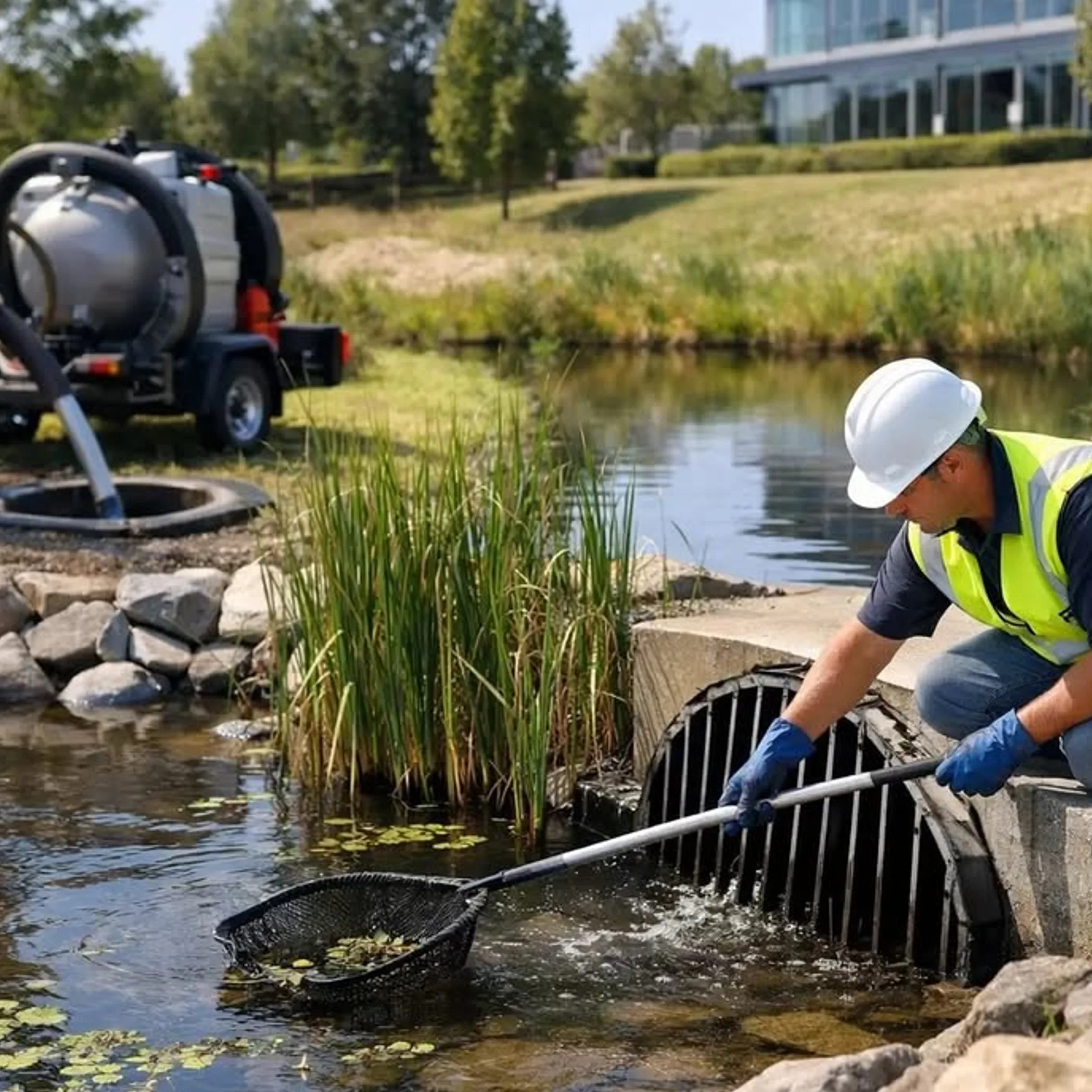
Projects in Australia are better served when water is part of the plan from the outset, not tacked on. Start with the catchment and the people who will be maintaining it.
In the end it is straightforward: pick what is right for the site, put your assumptions on paper and allow for the full life of the system in the budget. When done well it is a sensible way to make for a cooler, safer community, not merely something to tick off.