There are stark regional differences in how the 2026 season will play out in the Australian Outback, but put simply: you will find the most agreeable conditions in much of inland Australia from May through October. The north is a different matter between November and April with its hotter days, tropical activity, increased rain and roads that are more of an ordeal. Where you intend to go makes all the difference to timing; be it the Red Centre, Top End or Kimberley, South Australia or some of New South Wales’ more remote corners.
Abigail Winterbourne here. I can tell you from experience that one does not get rewarded by optimism when dealing with outback weather, only by preparation. What is a perfectly reasonable forecast in town may not hold up 150 km down a rough track. Make sure to consult the Bureau of Meteorology for their latest figures and any road reports or park alerts before you set off. You might look at a Cynoptec Long Range Forecast to get an idea of what is coming, but do not let that stand in for a proper local forecast.
Regional Weather To Plan By
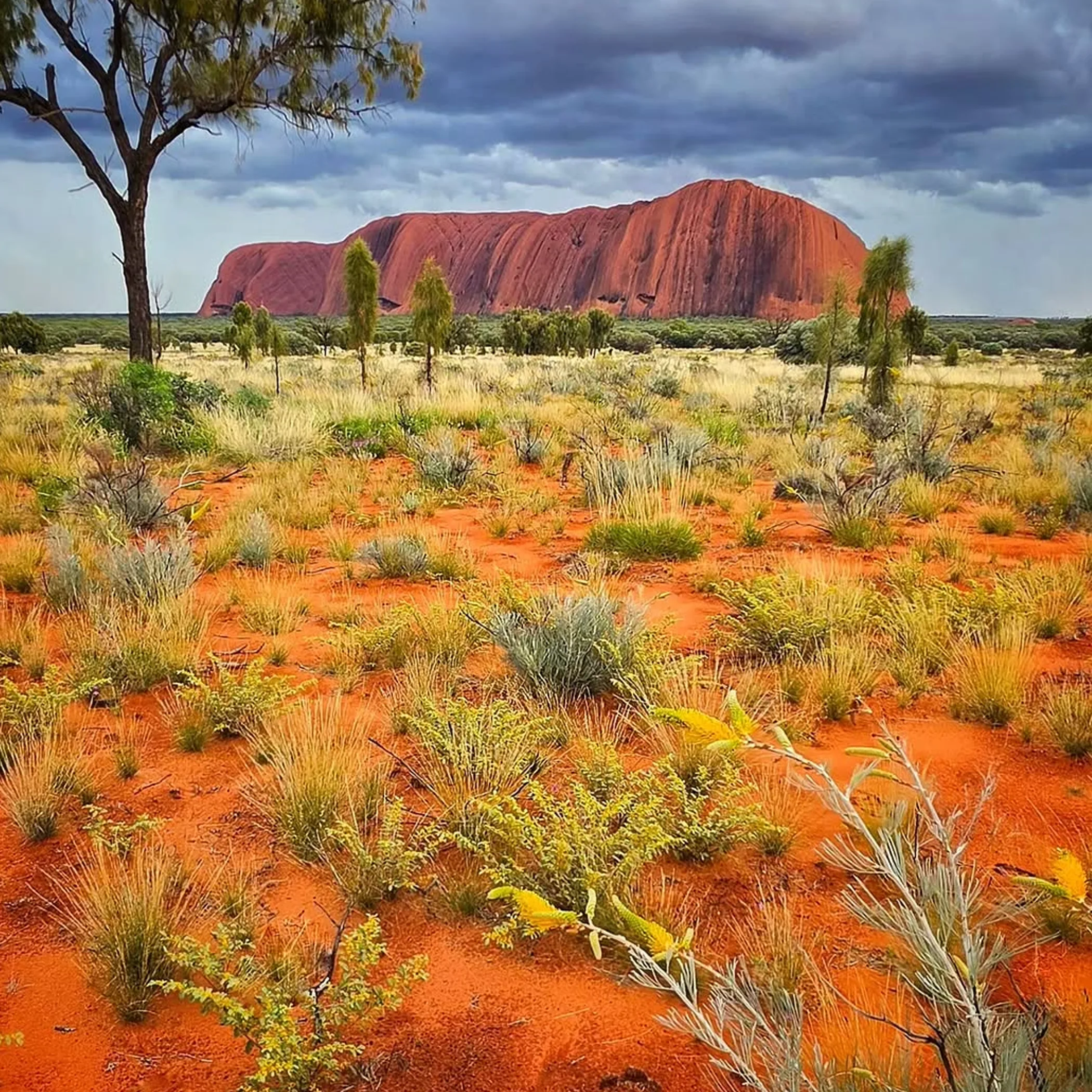
Do not think of the Outback as a single climate zone under one big hat. It is arid desert, savanna, semi-dry tropics, river country and rocky ranges. The contrast in conditions between the Gulf, Birdsville, Kununurra and Alice Springs can be dramatic. Planning around the ideal times for desert wildlife can help.
To pack well and pick your route you need to be aware of these regional variations and not make the error of supposing a mild afternoon is assured because the morning was cool. The bush has a way of changing its mind before you have even got the billy to boil.
A Regional Overview
| Region | Typical Seasonal Pattern | What to consider |
|---|---|---|
| Red Centre | Summers are very hot, winters cooler with cold nights | For sightseeing and walking, May to September is preferable |
| Top End | You will see the divide between wet and dry | Roads are more predictable and humidity lower in the dry season |
| Kimberley | Warm and dry in winter, a hot wet season | Heavy rain will put some attractions and roads out of reach |
| South Australia | Arid and subject to wide temperature swings | Cold desert nights and long distances with few services |
| Outback New South Wales | Inland weather is dry and variable | Clear skies at your point of departure will not stop rain from making unsealed roads difficult |
Rain does not always fall in neat patterns. One district is as flat as a pancake while a sudden storm hits the next. In remote country the annual average is less important than the fact that a storm can close a crossing or make a clay pan and graded road unpassable.
The Heat And Storms Of Summer
The summer months are December to February for the most part, though the heat can show up early and be slow to leave. Daytime in the interior is intense; in the north it is compounded by humidity and thunderstorms.
One can still travel in summer if one is prepared to put in more water, be flexible and take things at a slower pace. But to walk at midday, press on past a flooded road or shrug off a cyclone warning is to turn your holiday into a rescue tale.
Interior Temperatures
Hot spells in the Pilbara, Red Centre and inland South Australia will see the thermometer go well past 35°C. Elevation, cloud cover and where you are will determine the exact reading. The Bureau of Meteorology is your best bet for local forecasts and any warnings.
Up in the Top End the hot wet summer is hard going since the humidity does not let your body cool properly. Lightning and gusty winds can come with a storm on short notice. Dry inland areas prone to unstable weather may also put on a display of dust devils.
Make Allowances For The Heat
If you are to do a hard walk, do it in the late afternoon or first thing in the morning. Take on more drinking water than you think necessary and do not put all your eggs in one service station’s basket. On a remote drive factor in time for rest and to check your tyres. And show a road train the respect it is due, it is not a family hatchback that will just pull over.
Access to certain tracks and national parks can be shut down for bushfire risk, flooding or the heat. Before you go, verify the situation and see if a park pass or permit for Aboriginal land is required for the route you have in mind.
Autumn Eases The Conditions
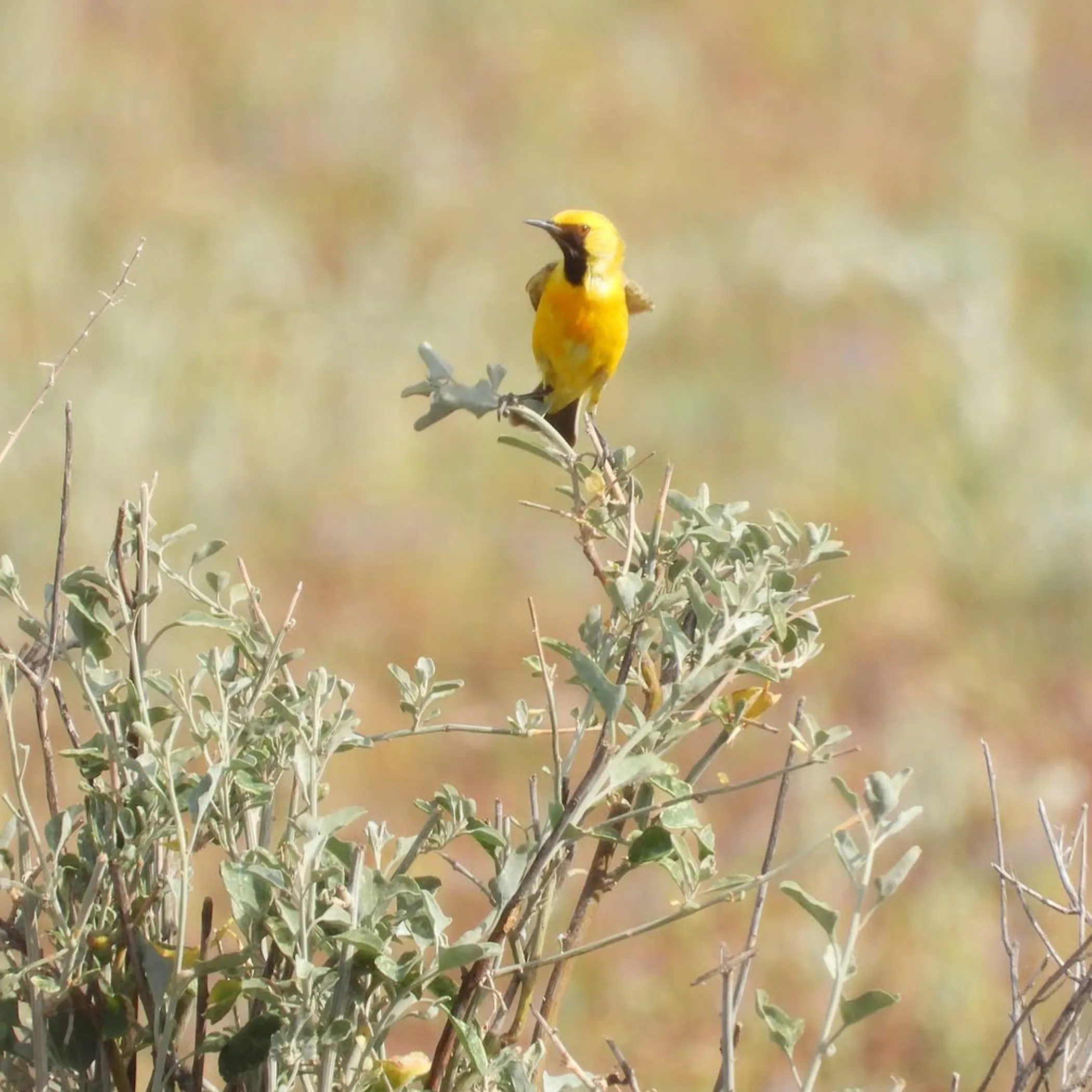
For the inland of Australia, autumn (March through May) is a time when the daytime heat will in most places be tempered. It makes for an excellent shoulder season to be travelling in: you get more reasonable temperatures and some of the tourist haunts are not so full.
One would not call the transition neat. The Red Centre or Pilbara can have a summer about them in March, and it is not uncommon to find northern Australia still humid and unsettled. Things tend to get better as May comes on, but where you are is of more consequence than what the calendar says.
The Seasonal Shift
Sightseeing in central Australia might be pleasant enough by day in autumn, but do not be put out if the nights turn cold. Up north the late wet season may see continued rain that has an impact on unsealed roads and creek crossings; a storm can close off a route that was passable last year.
I was under the impression that every part of the Gibb River Road would be plain sailing once I made the crossing in May, the wet season being done and dusted. I was being over optimistic. There were a few crossings to be had with care and the road did not allow for the speeds the map would have you believe. One learns quickly that the season does its thing in its own time and road conditions are not bound by the calendar.
Two Temperatures To Pack For
There is warm weather in the day and cool in the evening, so plan your packing accordingly. A warm layer, something light, good footwear and sun protection will see you through. For the camper, put away the forecast for a fine afternoon and get a sleeping bag that can handle the night’s low.
It is also a good opportunity to put in an order for vehicle servicing, lay in some spares and recovery gear and make sure your offline maps are in order before you head into the remote. You will not lose your nerve long after the mobile signal has gone, which is when having a plan is handy.
Clearer Days In Winter
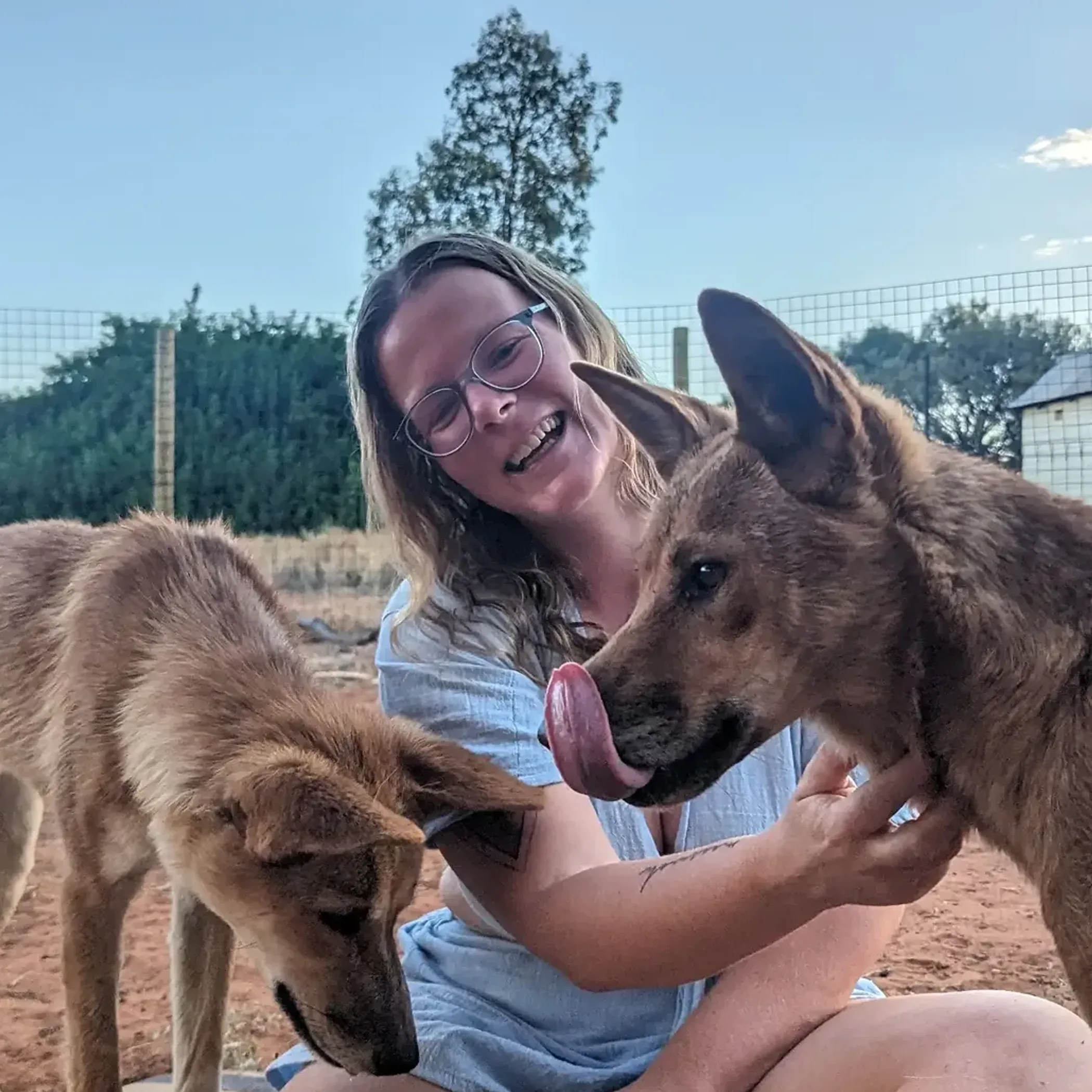
If one is visiting the Red Centre or other inland spots, winter is likely to be the most agreeable time of year. Daytime from June to August is mild and dry, though in the desert and at open campsites the temperature can take a sharp drop come night.
Do not be fooled into thinking it is all warm weather. Those who have nothing but thongs and shorts in their pack are frequently taken aback by the cold before the sun is up. The outback presents a sunbaked face in the day and is quite icy by your swag at dawn.
Cold Desert Nights
Cold spells in the southern and central deserts can see overnight temperatures near freezing and there is the odd chance of frost in some inland parts. Exposed lookouts and campsites will feel even worse with any wind.
You may be all right for a long walk in the day, but put on a hat and take water; the dry air is deceptively hard on your fluids and the winter sun is no less potent for the coolness in the air.
Put The Daylight To Use
Winter is well suited to those wanting to put in some miles on a scenic drive or to go walking at Uluru and Kings Canyon and in Alice Springs without the summer heat bearing down. Make an early start on the popular walks and give yourself time for photos, a meal and the like, and to drive slowly on the corrugations.
You will find tour availability and accommodation costs run higher in the peak of winter at the big attractions, so book in advance for the well known areas, yet leave room in your plans for the weather.
Spring Is Quick To Warm
Temperatures in the interior begin to climb in spring and the days grow longer from September to November. Central Australia is still fine in September, but by October and November it can be hot enough to put a crimp in your walking and make the vehicle less of a comfort.
In the north it is the run-up to the wet season. The landscape seems to have a charge to it with the humidity and storms ahead of the first big rains. Fascinating, but not always easy for a visitor.
Fire And Storms
A spring thunderstorm will bring strong winds and lightning as well as rain. Stay off exposed ridges in an electrical storm and never put an isolated tree between you and it. In the dry country the bushfire risk is anything but over until you have had some real rain, so hearken to local fire advice and park closures.
A storm is not to be taken as an automatic reduction in fire danger; the wind can stoke an existing fire or the lightning may come without sufficient rain to dampen the ground. If you are in a high-risk period, check the official warnings.
Get An Early Start
As spring wanes the value of an early start is apparent. What is a comfortable walk at dawn will be a trial by late morning. Have your water and let someone know where you are going. Do not set off on a long walk if you are already running hot.
Animals put in an appearance in the cooler hours of the day, making spring a fine time for wildlife. One will find better conditions at dawn or dusk than under the midday sun.
Wet And Dry Seasons: A Comparison
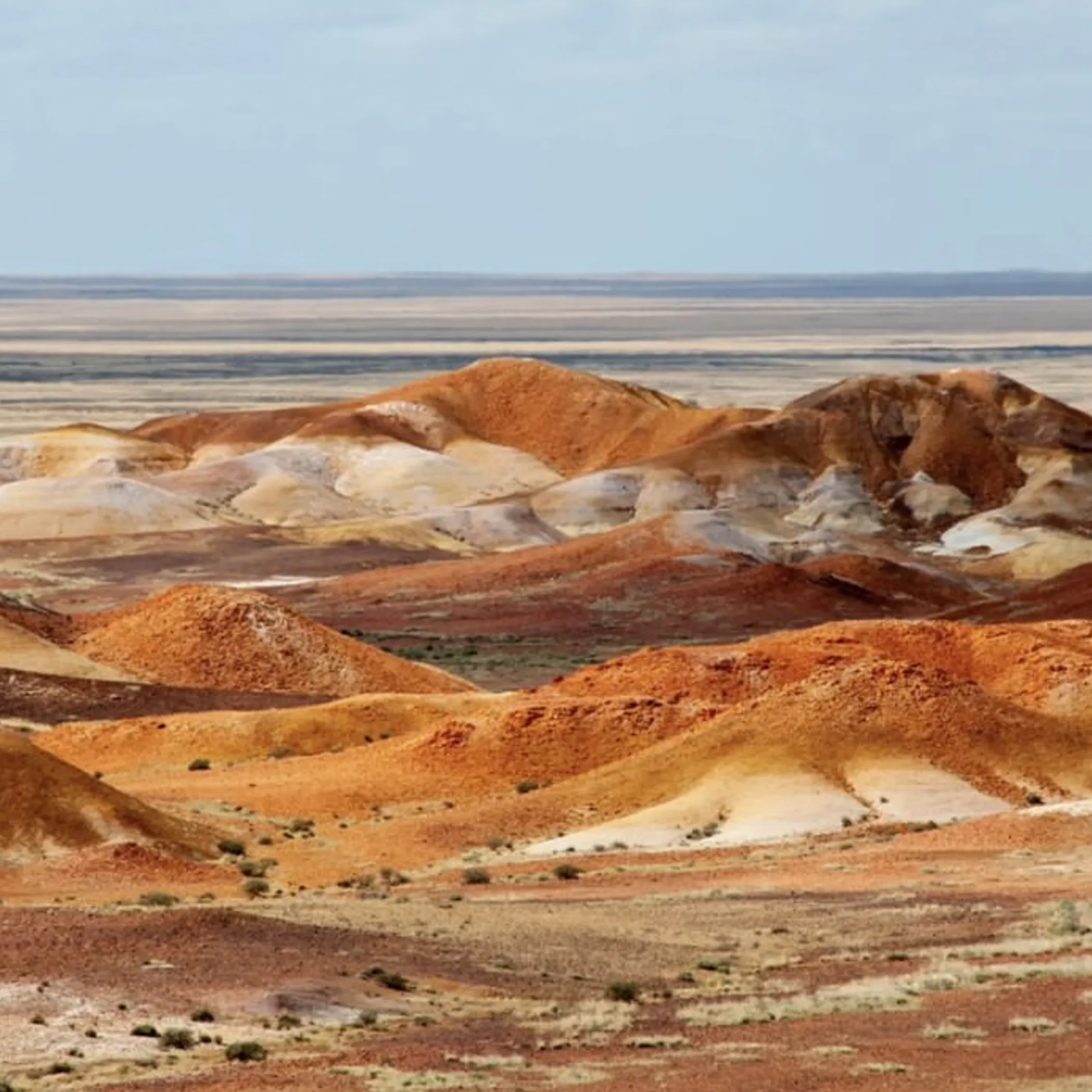
The pattern is more pronounced in Northern Australia than in the southern interior. In the outback the wet season is to be had from November through to April; the dry one in the north typically extends from May to October.
Take these as a guide for your plans, not an absolute. Rainfall will have its own timing and intensity depending on where you are and what year it is, and in the shoulder months you can see something of both seasons.
Opt For The Dry Season
From May to October many make for the Top End, Kimberley and some of Tropical North Queensland to walk, camp or take in the scenery. The cool dry weather affords lower humidity, clearer skies and dependable access. While road conditions are for the most part predictable, do not be surprised by sandy patches, corrugations or washouts on a remote track. It is wise to consult local reports prior to departure on the Gibb River Road or any unsealed route.
The Wet Season Demands Respect
There are rewards in the wet season in the form of verdant country, active wildlife and thunderstorms of a spectacular kind, yet with it come the tropics’ cyclone season, flooding and high humidity. You may find some boat ramps, gorges and campgrounds shut down or open only with a local’s help.
Distance can be deceiving to the visitor. What looks like an open road on paper may be treacherous with a rising creek or a damaged bridge, or simply too slippery. Do not attempt to drive through floodwater; from the driver’s seat there is no way to tell the depth or current or if there is damage below.
Plan Around The Weather
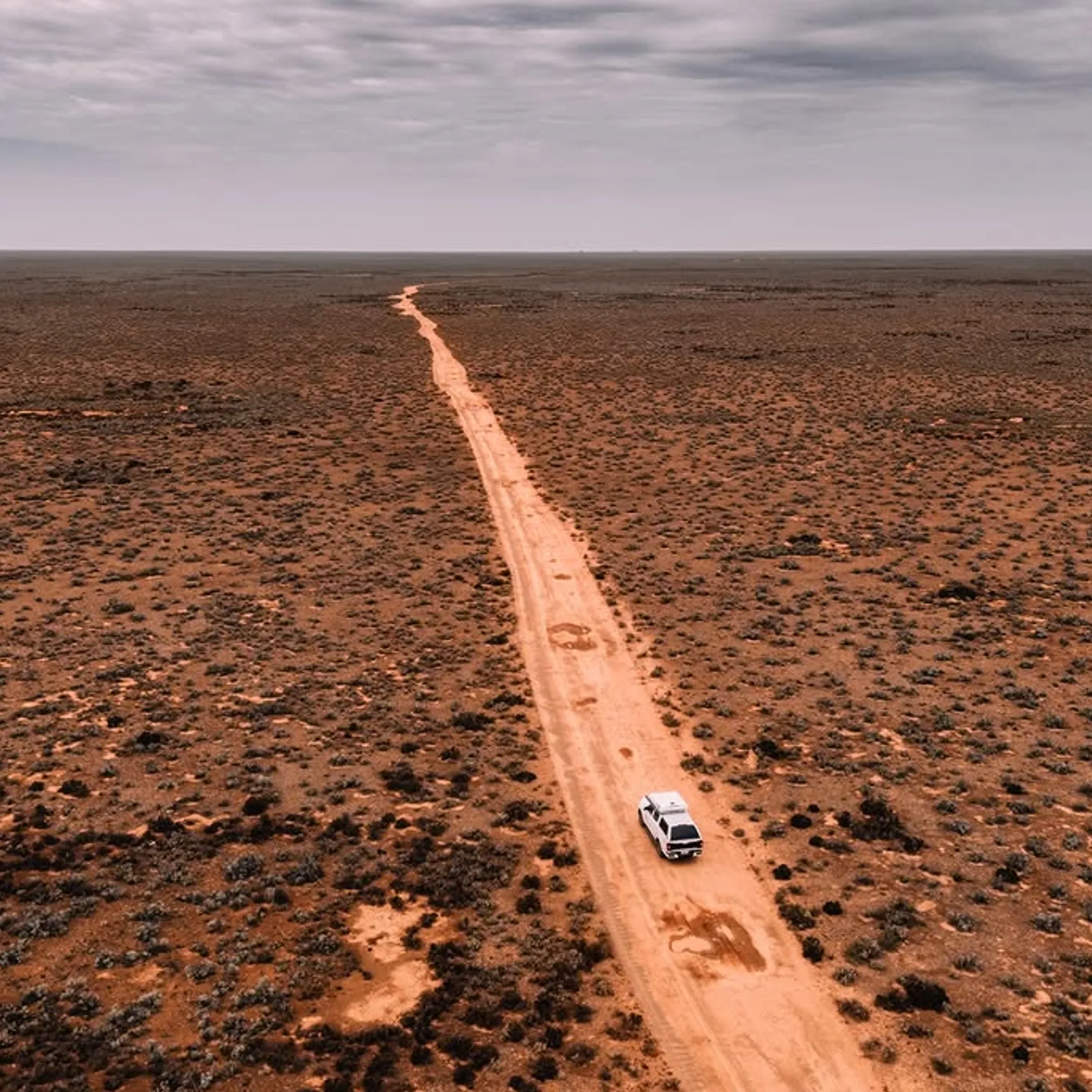
It is not just a matter of comfort. Your fuel and camping options, how long a walk takes, the number of activities you can do in a day and even the behaviour of the wildlife will be dictated by the weather. An itinerary should be able to stand up to a change in the forecast. Be prepared for delays on a remote track that will eat up more time than you think for the miles covered.
Know What Is Important
With a single day to spare, a good attraction within easy reach of your base is preferable to putting in for a far off track. At Uluru you might put together an early cultural outing and a sunset spot, factoring in time to get out of the heat. In the Top End, pick a park and see what the wet season has in store before you go.
Those not accustomed to driving in the bush would be well advised to steer clear of isolated roads in the wet or when summer is at its worst. There is a premium on a guided tour over self-driving but you get a safer pace, recovery gear and the benefit of local knowledge.
Budgets for the outback will be higher than in the city for food, accommodation and fuel, and rough costs are all over the place. Isolated communities have steeper fuel prices and there are park fees and permits to contend with. Have a card and some cash on hand for an emergency, but do not count on every stop in the outback having electronic payment facilities.
A Packing List
- Water in excess of what you need for the activity at hand and provisions for any hold ups.
- Sturdy shoes, insect repellent, sun protection and something warm.
- Spare tyres, equipment for recovery, a communication device with charge and maps that do not require a signal.
- Before you leave, see to your permits and check for any alerts on the parks, the weather or the roads. Make sure someone you can rely on knows where you are headed and when you will be back.
Safety And Wildlife
You will have a better view of wildlife if you let the weather be your guide. The heat of the day sees them in shelter, but in the early morning or late afternoon they are more apt to be about. Desert wildlife are at their best in these hours, if one is prepared to be still and patient.
Do not make the mistake of feeding or getting up close with animals, and see that no food is left out at camp. In the north, have some croc sense when you are near a waterway and heed any warning signs put in place. Out in the more remote parts of the country, do not think of heat illness, a broken down vehicle, dehydration or an unannounced storm as some dramatic eventuality; they are risks to be taken seriously.
Expectation Versus Reality
The outback is hot, one would expect. Then comes a winter night and it is biting cold, all the more so at an exposed campsite.
One might assume the dry season has every road open for business. Local storms, fire danger or the need for repairs will put a stop to that.
A short distance on the map is not necessarily a quick drive. Between the corrugations and cattle, not to mention road trains, creek crossings and the odd photo opportunity, what was supposed to take two hours can easily eat up most of the morning.
Frequently Asked Weather Questions
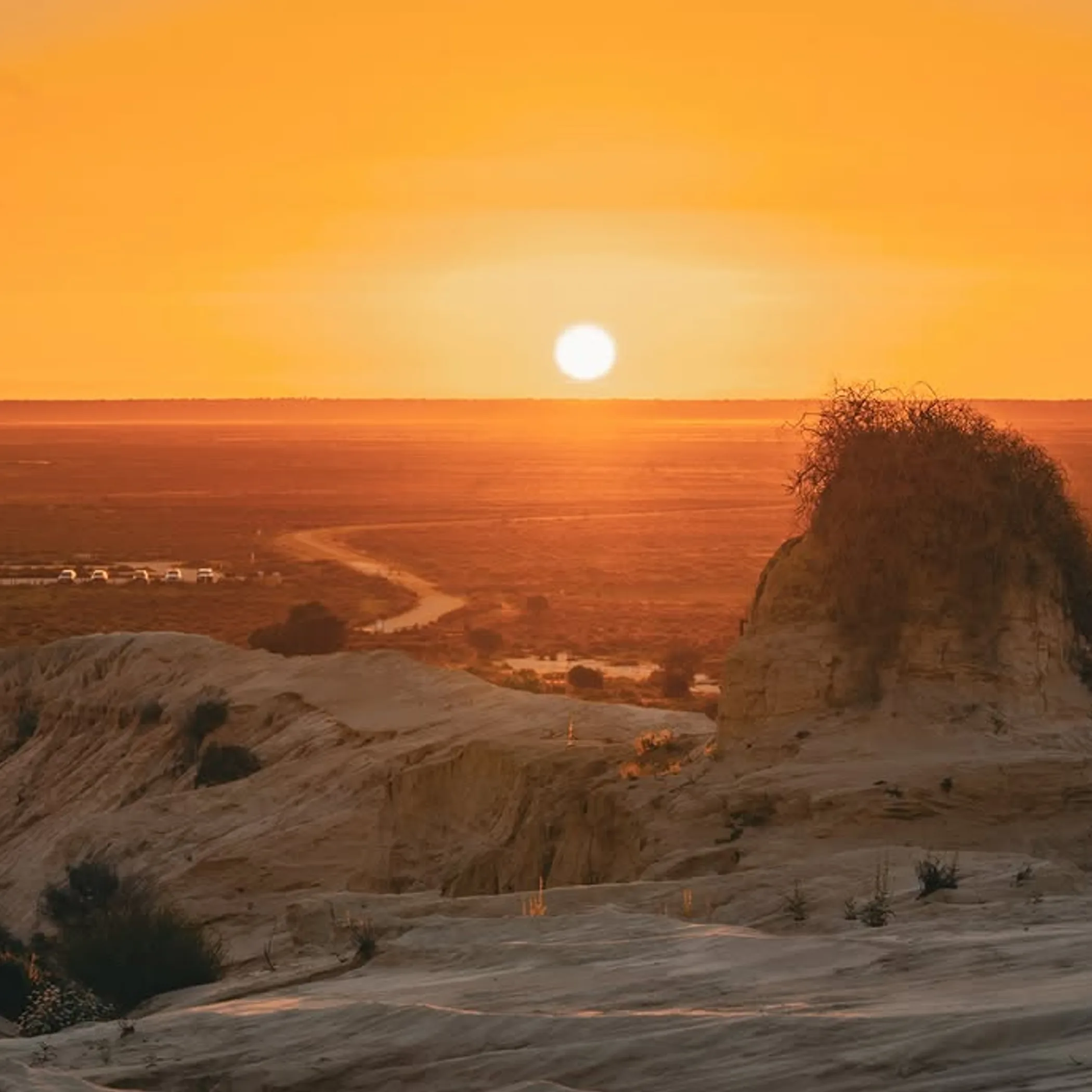
Travellers making plans for the outback tend to ask the same questions. The answer is invariably regional: there is no neat weather rule for a country this size.
Is Australia in for a hot summer in 2026?
Much of inland and northern Australia will demand some thought in the way of heat planning come summer 2026, though conditions are region and forecast specific. You may find very hot days in the outback, but the north is prone to tropical activity, humidity and heavy rain from thunderstorms as well. It is wise to consult the Bureau of Meteorology before setting off.
What sort of cold does the outback get after dark?
In the Red Centre and other desert locales, temperatures can drop fast at night, especially in winter when it is calm and clear. Inland you can be near freezing. Do not be guided by the day’s warmth, put on proper bedding and warm sleepwear.
Will we see a cold winter in 2026?
There will be no uniform pattern across Australia. Some areas, particularly those with elevation or far inland, could have some cold nights. But a desert climate is not the same as the tropics or the coast. Rely on the local forecast for your dates and destination.
How do the seasons and weather run in Australia?
There are four calendar seasons to be sure, but in the north wet and dry are more descriptive terms. The Top End has a hot wet summer and then cools and dries from about May through October. Inland is arid with considerable temperature swings from day to night. Rainfall is anything but consistent, so pay attention to the regional forecast.
When should one go to the outback?
Temperatures are milder and you will have better access from May to October in many central and northern haunts. Autumn and spring are fine too if you factor in the heat, the state of the roads and any fires or storms.
Plan accordingly
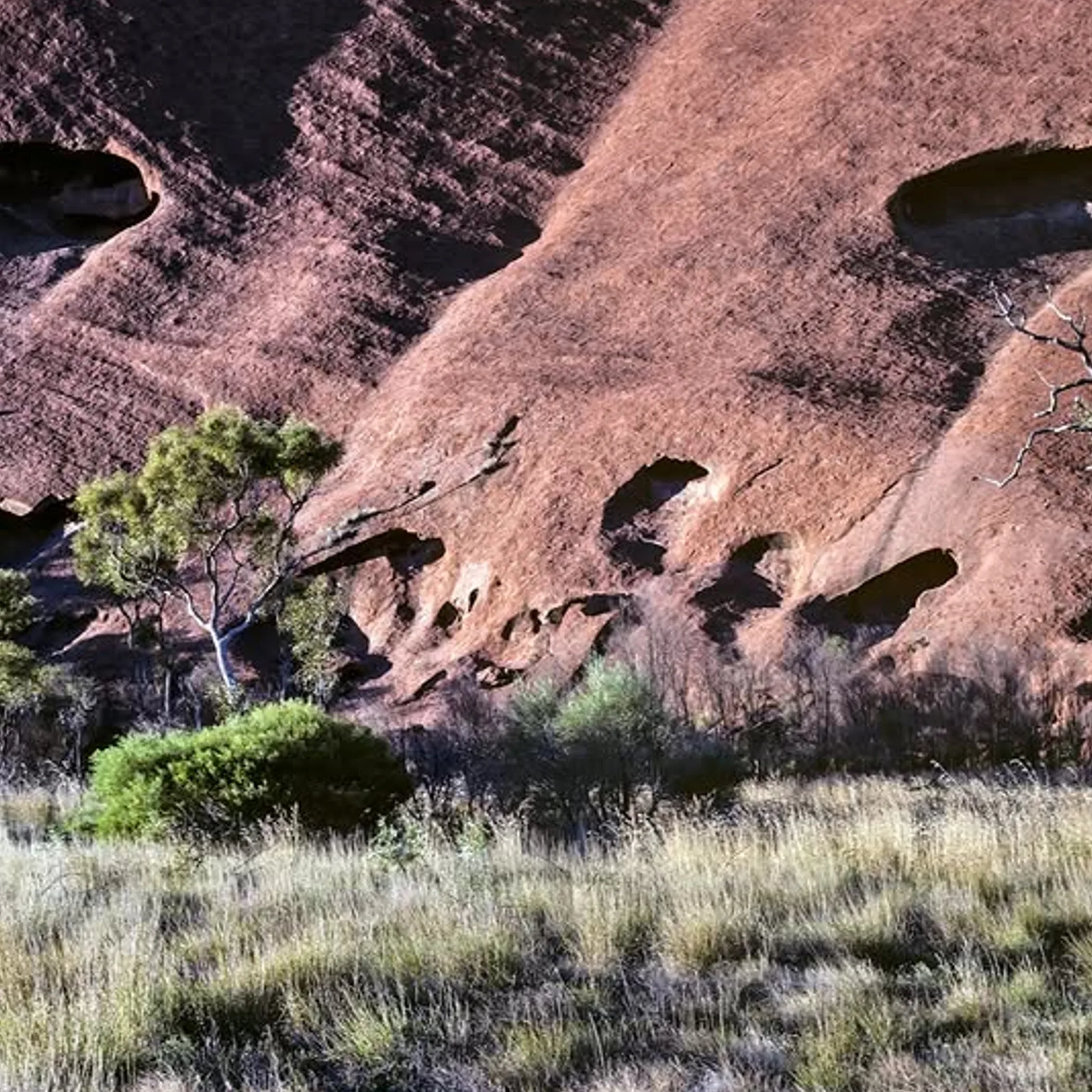
You will have an easier time of it in the Australian Outback by respecting its variability and scale. Pick your region and align your dates with the season, then allow for the weather and road closures.
Before you leave, look at the official warnings and forecasts from the Australian Bureau of Meteorology. A traveller worth his salt has water on hand, has checked the track and will not put up an argument with a closed road. That is not being overcautious, just good bush sense. And my parting word is not much to write home about: top up the tank, put on an extra layer and be off early. If a road is shut, let it be. The outback is not going anywhere until things are better.