One does not have to look hard for them any longer; Italian Grape Varieties Grown In Australia 2026 are far from a niche pursuit. You will find Sangiovese, Fiano, Vermentino, Nebbiolo, Prosecco, Pinot Grigio and other native Italian grapes in vineyards stretching from Victoria to South Australia and further afield. They put a good deal of personality in the glass along with their savoury qualities and bright acidity.
I am Abigail Winterbourne. My view has always been that you understand a wine better when it is tied to a place or the person who pours it, as well as the meal at hand. This is also why I am drawn to Italian cuisine with Australian wines. Winemakers here have taken to Italian grapes to accommodate the Mediterranean climate and aridity of Australia, making something that is at once familiar and of a different order. Put simply, there is a wide array of Italian varieties being put out by Australia and the finest of them tend to be more lively and less of a burden on the palate than one might think.
The Australian Picture
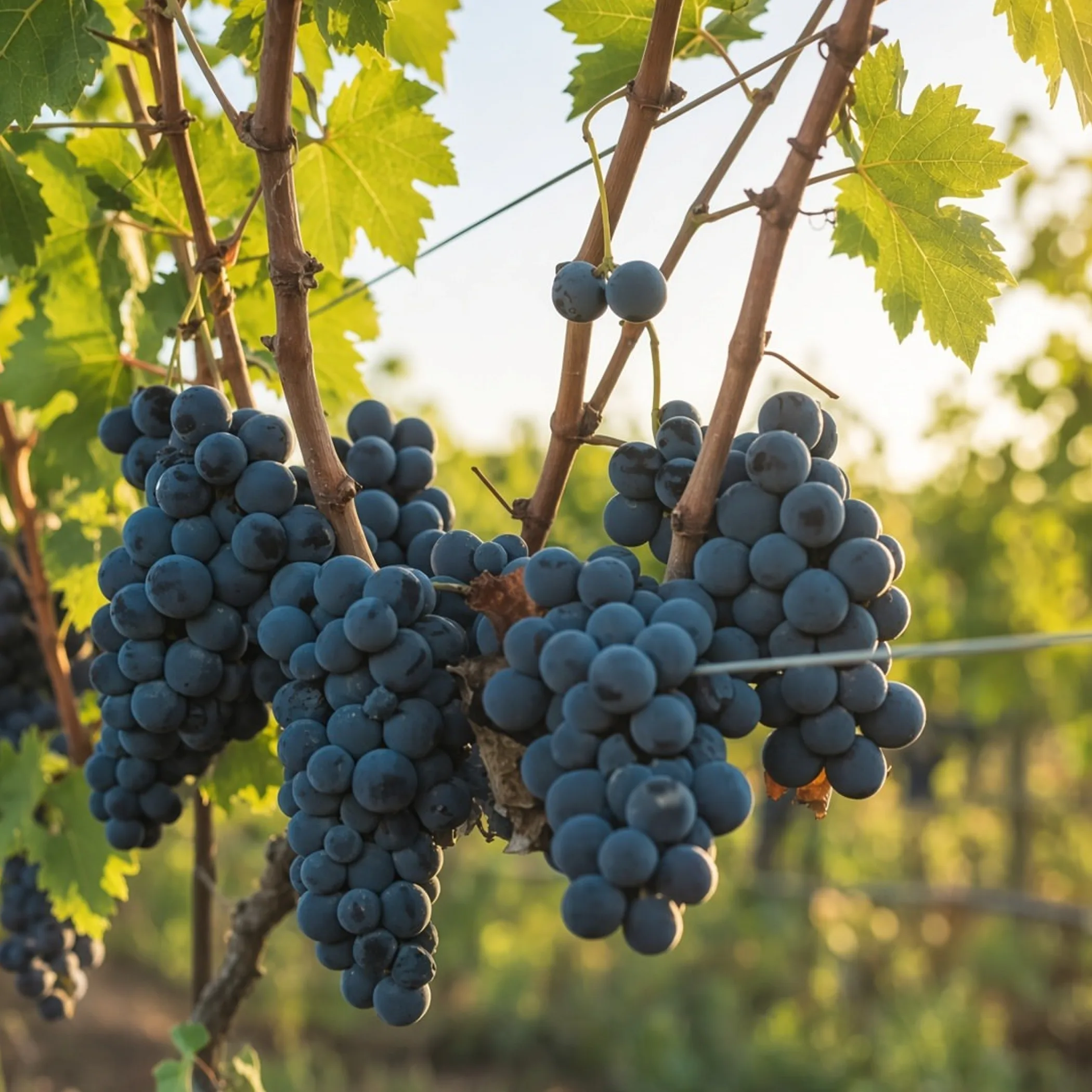
There is an Australian way of doing things with both the popular and obscure Italian varieties, adapted to the water, sun and soil. Do not expect a facsimile of what comes from Tuscany or Sardinia; this is an interpretation born of practicality in the vineyard and warm days followed by cool nights.
With Wine Australia putting some 60 regions on the map, a given grape can be quite another thing depending on its provenance. For the kind of industry and regional data one would want, the official Wine Australia information is where to start.
What is on the list
We have put together a list of the reds, whites, rosés and sparklings of Italian origin that are part of the commercial fabric of Australian wine. A variety might be a regular in one part of the country and only make an occasional showing in another, according to the vintage and the producer.
You will come across such names as Barbera, Arneis, Montepulciano, Dolcetto, Aglianico, Nero di Troia, Lambrusco, Moscato and the likes of Sangiovese, Fiano, Nebbiolo, Nero d’Avola, Vermentino, Prosecco and Pinot Grigio. Some are as easy to pick up at the bottle shop as others are not; those may call for a trip to the winery or to read the label with some patience.
An Edge From The Climate
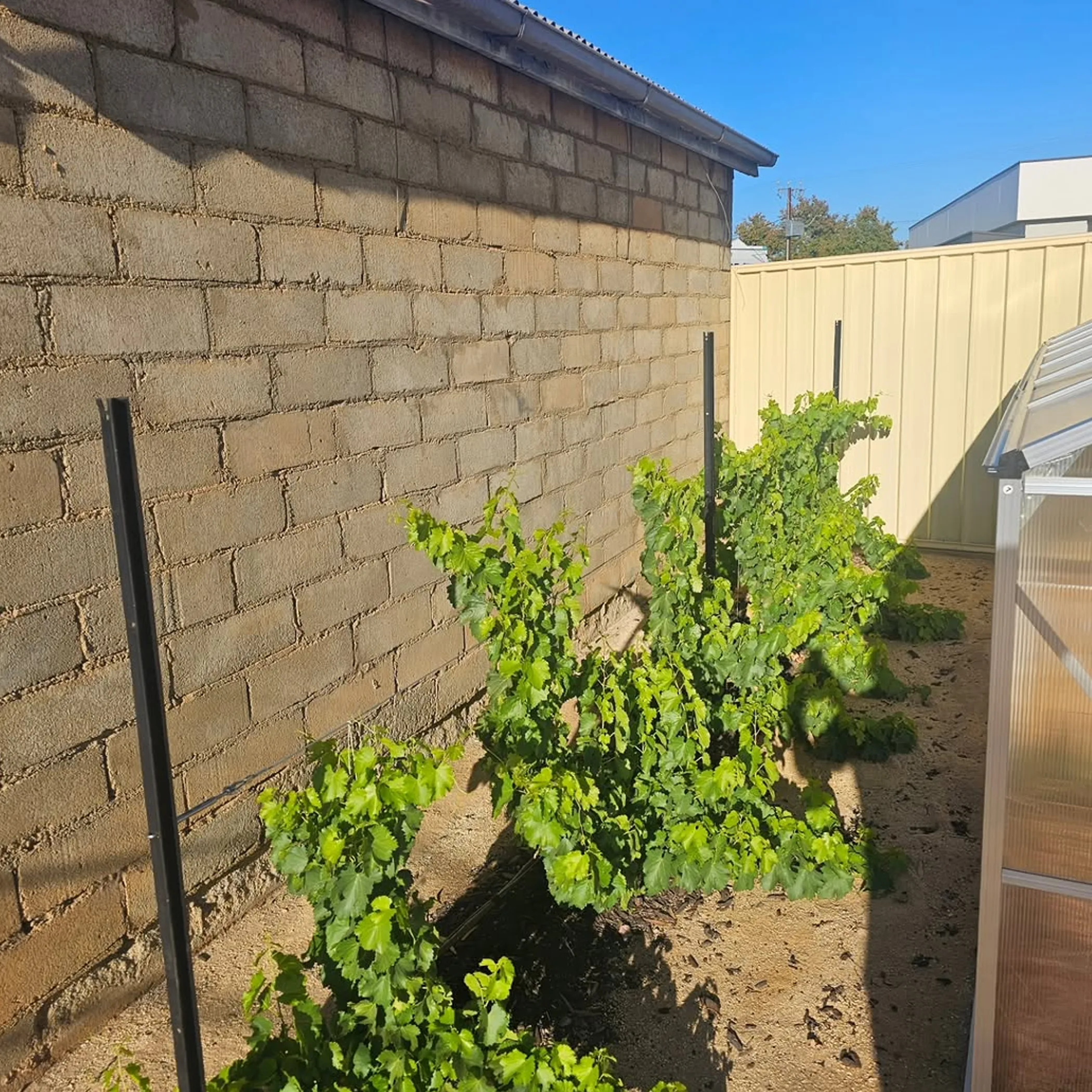
It is sensible to see many Italian varieties in Australia, especially in the warm inland and in areas with a Mediterranean bent. After all, they have put down roots in places where summers are hot and rainfall seasonal, and where holding onto acidity during ripening is imperative.
But the dryness that keeps disease at bay also means dealing with drought and heat. A winemaker has to be selective about site and canopy, and time the picking well; an unseasonable run of hot weather will make a wine of jam before you know it.
On Acidity
Fiano and Vermentino can be fresh even in warmer climes, and a full-flavoured red needs the lift of a Sangiovese or Barbera to avoid being flat. There is a misconception that the heat in Australia makes for sweet, heavy wines. In fact, the altitude, the soil, how the wine is made and the night-time temperatures are as telling as the day’s forecast.
Reality Check
If you think an Australian Italian wine is going to be the same as the original, you are mistaken. The grape gives it a family likeness but the rest is down to the cellar and the climate. An Australian Nebbiolo will have softer tannins than a young Piedmont offering; an Australian Fiano is likely to be riper and broader than its counterpart from Campania. That is not a defect, it is why we grow them here.
Savoury Reds
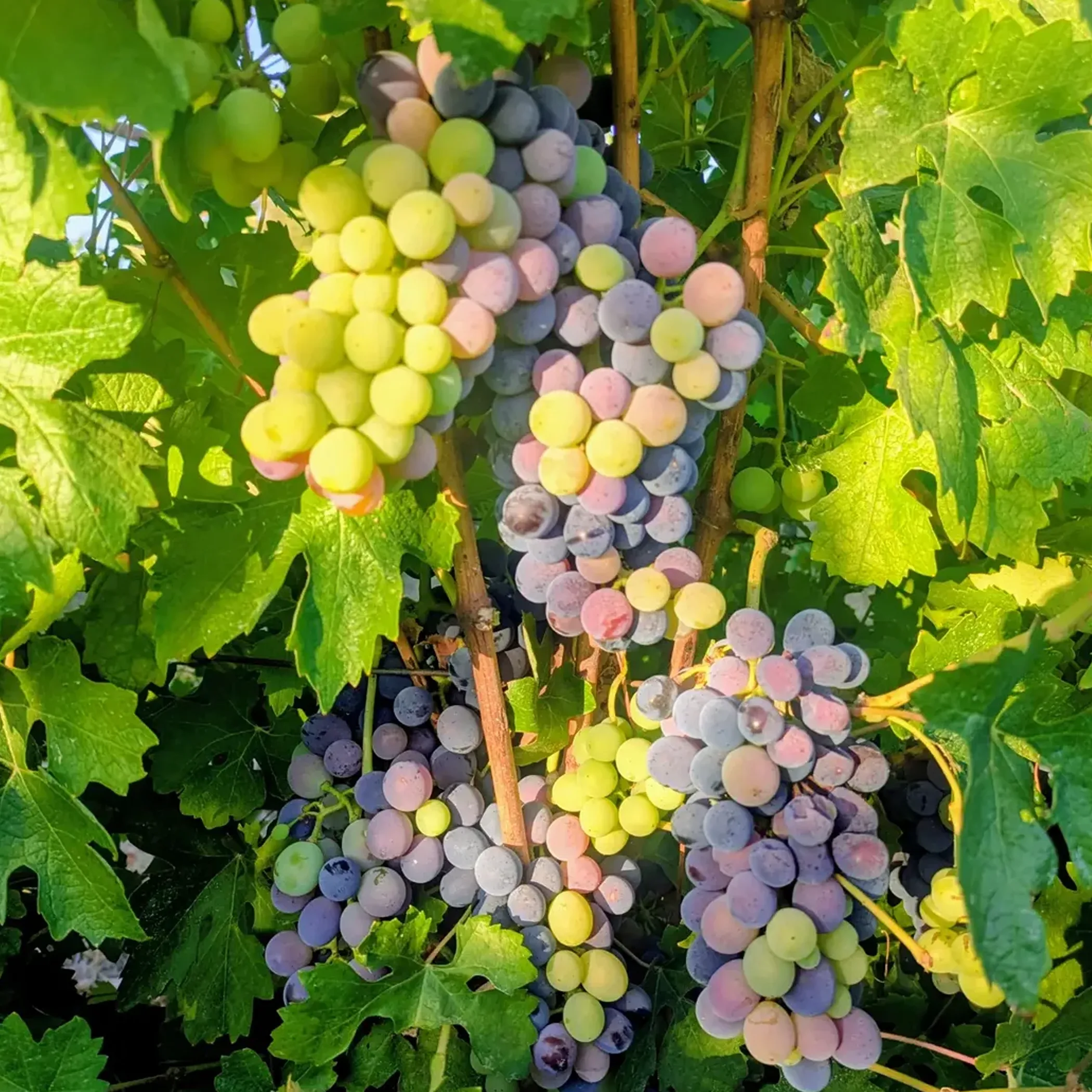
From light and juicy to the sort of firm, structured reds for the cellar, these wines are welcome at table. The acidity and savoury notes complement a tomato dish or some grilled meat and roasted vegetables nicely.
Colour should not be the only criterion. A pale Sangiovese can be surprisingly refreshing. An Aglianico or Nebbiolo might do best with a bit of air, some food and a little waiting.
Then there is Sangiovese.
While Tuscany’s principal red is what it is known for, the Australian rendition has cherry, earth, spice and dried herbs to offer. It can be a light, bright accompaniment to pizza or a firmer wine for slow-cooked beef. For a savoury red of moderate body it is among the best of the Italian varieties in Australia. A label of Sangiovese that has the scent of sour cherry as opposed to something more confectionery is a good indication you have made the right choice.
Nebbiolo: A Reward for Patience
The hallmark of Nebbiolo from Piedmont is its high acidity and tannic firmness, along with aromas of rose, spice, earth or cherry. In Australia one will find plantings of it are not as extensive as with better known varieties, meaning a bottle can be costlier and less easy to come by.
At a regional cellar door on my first encounter with a young Australian Nebbiolo I had the misapprehension of putting it away too fast; it was stern in the beginning. But once it has been in the glass a while the tannins will let up and you notice the savoury nuances. It is a grape that should be taken with a good meal and not hurried.
Some Warm-Climate Reds
Australia’s warmer climes are well suited to Nero d’Avola of Sicily, which can present blackberry, plum, liquorice and spice with a finish that is firm without being overbearing. There is also Montepulciano for a dark-fruited red of some generosity and useful acidity. One would know Barbera by the brightness of its acidity and tannin that is at best moderate, whereas Dolcetto is the softer, fruitier option and does not need to be kept. For those after an Italian wine from Australia with some texture and a sense of place, Aglianico is structured and powerful with dark fruit and tannins. Nero di Troia is rarer but will give a medium-bodied red with a bit of spice and red fruit.
Whites That Are Good For Fresh Drinking
In terms of practicality there are few varietal wines in Australia to equal the Italian whites. The acidity is an asset in the heat and they have a savoury or mineral subtlety lacking in the fruit-bomb type. An alternative to your usual Chardonnay or Sauvignon Blanc, they are textured enough for a proper meal yet crisp for seafood when put on ice.
They also make excellent alternatives for people who usually reach for Sauvignon Blanc or Chardonnay but want something different. Chilled, they are crisp enough for a seafood lunch and textured enough to handle a proper meal.
Fiano Has Some Texture
Now found in a number of regions in Australia, Fiano hails from the south of Italy and may have a waxy or nutty quality to it as well as notes of almond, pear, citrus and flowers. Not all of them are of a razor-sharp style; some Australian ones are rounded and a touch phenolic and for that reason go down well with roast chicken, prawns on the grill, fennel or lemon dishes and a creamy pasta.
Vermentino Remains Lively
Hailing from the coast of Liguria and Sardinia, Vermentino in Australia has a way of showing lemon, herbs and green apple with a saline-like, clean finish. It is hard to beat on a hot afternoon for being refreshing and not one-dimensional. Put it out with oysters, white fish or a salty cheese and it will make a cold beer seem the sensible thing to do.
Arneis, Pinot Grigio
Piedmont gives us Arneis, an aromatic, dry white with floral and citrus overtones and pear. You will not see it as much as Pinot Grigio but it is worth the search for a fragrant wine of moderate texture. As for Pinot Grigio, it is everywhere in Australia and for the most part will have clean flavours of apple, pear and citrus. Do not be guided by the name of the grape alone however, as the producer and region will determine if the style is rich and textural or just brisk.
Italian Sparkling
Prosecco is the most familiar Italian sparkling in Australia, though local rules and the label will tell you if the name is denoting the wine or the grape. What is made here is typically fresh and unassuming. Then there is Lambrusco and Moscato for variety; the former can be a gently sparkling red or rosé, the latter is usually sweet and grapey, if not dry.
Prosecco Does Not Have To Be An Aperitif
Light bodied and with lively bubbles, an Australian Prosecco will have the aroma of pear and flowers. It is fine for an aperitif but will stand up to fried seafood, soft cheeses and the like. The mistake is to leave the bottle open half the day or serve it warm. Make sure it is chilled and poured in time after opening, and consider it a wine and not a cordial.
Lambrusco and Moscato
Depending on who made it, a Lambrusco can be an off-dry or dry red or rosé. Dry is very good with a barbecue or an overly ambitious platter and cured meats. Moscato tends to be low in alcohol and lightly sweet, so is the order of the day for a casual celebration or to have with fruit. Should you have no taste for the sweet stuff, look at the label before purchasing; the grape will not inform you as to how sweet the end product is.
Regions Where These Grapes Thrive
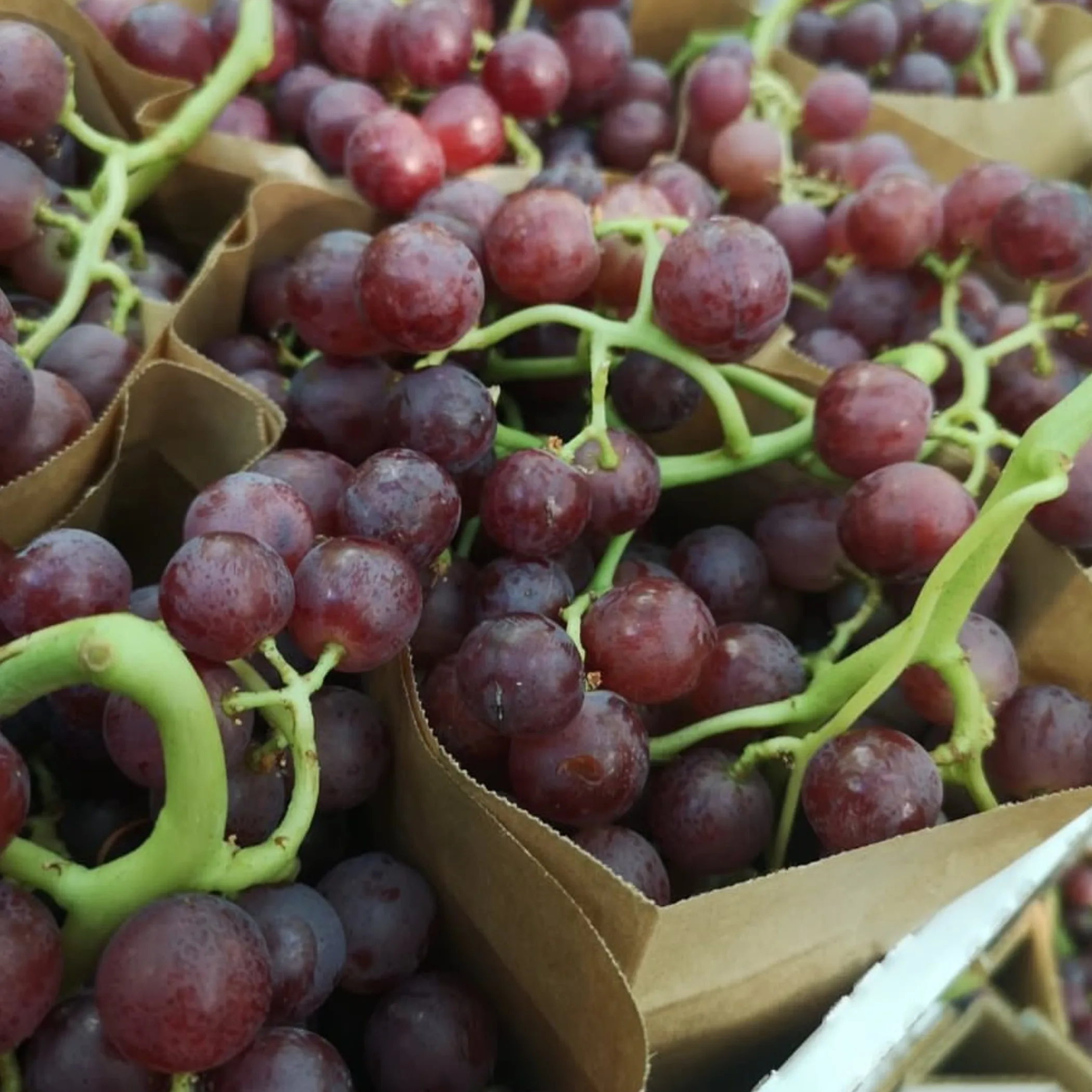
In Australia, the Italian grape varieties of 2026 are to be found in South Australia and elsewhere where there is warmth and sun and water can be properly managed. One could make a start in the Barossa, Riverland or Adelaide Hills, though the styles on offer from each are quite distinct.
Riverland has its reputation for warm weather and vineyards under irrigation; you will find Fiano, Vermentino, Sangiovese and Nero d’Avola at home there. The elevation in the Adelaide Hills lends itself to cooler conditions and allows the making of a more aromatic and fresh wine by the producer. Then there is the Barossa, where the heat puts some weight and ripe fruit into the reds.
Planning A Regional Visit
Before setting off to put in an appearance at some cellar doors, it is advisable to have a private transfer, small-group tour or sober driver in place. You will not want to be relying on regional public transport which is sparse, or a taxi that is kilometres out of reach with poor mobile reception, particularly when all have put forward the case that they are “fine to drive”.
Make time for a full day in the region to do things in a relaxed manner, from lunch to the inevitable detours and getting from one vineyard to another. Put on some sun protection, have water to hand and give unsealed roads a miss if it has rained. Summer temperatures and the odd bushfire closure can upset the best laid plans.
As a rule of thumb, allow AUD 10 to 30 a head for a standard tasting, more for a good meal or something of a premium. Consider this a planning figure for 2026 rather than set in stone and put in a call to the venue to be sure of fees.
Choose The Right Experience
There is no point in attempting to cover a whole wine region in a day. Pick two or three cellar doors in close proximity. A morning tasting followed by a pre-arranged lunch and an afternoon stop is much preferable to putting in six venues and having your phone battery as flat as a pancake.
- For the driving and the scenery, and for sparkling and whites of the cooler-climate type, go to the Adelaide Hills.
- The Riverland is the place for a broader exploration of the region, generous reds and warm-climate offerings.
- If the aim is to see how the Italian grapes measure up to the powerful local reds, then head for the Barossa.
It is an experience for the curious traveller and connoisseur of food and wine who relishes a comparison. Not so much for those who would have every bottle be a classic import from Italy, or the beginner with little patience for tannin, acidity or a grape name he does not know.
Styles And Tasting Characteristics
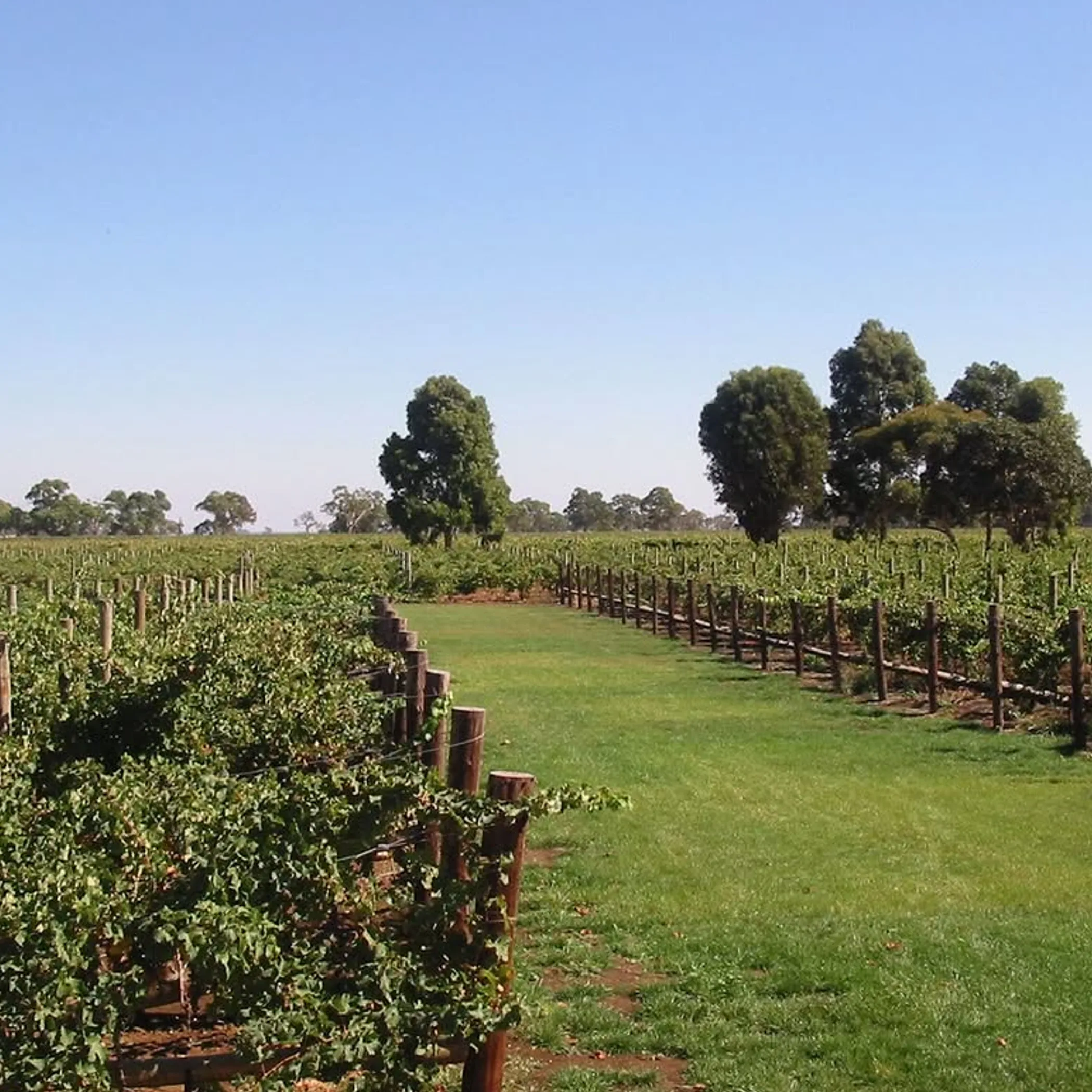
To get a sense of the Australian Italian wines, look at texture, structure and acidity. The latter gives freshness, structure is the shape and grip of the wine, while texture tells you if it is firm, silky, lean or creamy.
| Variety | Typical Australian Style | Useful Food Pairing |
|---|---|---|
| Sangiovese | A moderate tannin with cherry, herbs and savoury spice. | Goes with roast vegetables, tomato pasta or pizza. |
| Fiano | Rounded in texture with notes of almond, pear and citrus. | Good with chicken, seafood or a creamy pasta. |
| Vermentino | Brisk acidity and lemon and green apple. | Oysters, a salad or fish on the grill. |
| Nebbiolo | Earthy and floral with a firm tannin and high acidity. | For mushroom dishes and beef that has been slow cooked. |
| Nero d’Avola | Medium to full bodied with dark fruit and spice. | Lamb, eggplant or barbecue. |
| Prosecco | Lively bubbles, light body of pear and apple. | An accompaniment to soft cheese, fried seafood or brunch. |
Do not put whites and sparklings on ice until they are subdued, but have them well chilled. In the Australian summer, a red is better served a degree or two cooler than most homes might have it. A red that seems hot or too heavy is not to be written off as a dud; put it in the chill for 20 minutes and see.
Italian Grapes and Food

The tradition of Italian grapes with a meal has its basis in the way acidity will stand up to rich, savoury tastes and let herbs, cheese and things of a roasted nature come forward. Apply that logic to an Australian wine and Italian food and the pairing is all the better for it.
Tomato sauces are fine company for a Sangiovese, a Barbera with salumi or sausage, and you can give a Montepulciano to some robust baked pasta. Seafood calls for Fiano or Vermentino; Prosecco is good at putting the palate right after a salty starter or something fried.
Checklist for Pairing
- High-acid wines go with the salt, vinegar, citrus and tomatoes.
- With protein and slow-cooked dishes where there are roasted notes, take a structured red.
- Fruit, a creamy dessert or some heat in the food will do with a lightly sweet Moscato.
- Sparkling for your brunch, celebratory snacks and any fried textures.
But do not be bound by the name of the dish, match the wine to the most prominent ingredient. A Nebbiolo may be what a mushroom-laden pasta wants, a Vermentino more suited to a lemoned fish of a delicate sort. Consider wine pairing as guidance and nothing more.
FAQ
We have addressed the questions that tend to perplex the shopper or traveller at the bottle shelf and leave them to question if “Italian style” is a euphemism for Italian grapes.
Which Italian varieties does Australia grow?
You will find Sangiovese, Fiano, Nebbiolo, Nero d’Avola, Vermentino, Prosecco, Pinot Grigio, Barbera, Arneis, Montepulciano, Dolcetto, Aglianico, Nero di Troia, Lambrusco and Moscato. What is on hand is a matter of the region, vintage and producer.
Is there a top ten?
Not an official one globally, since one can rank by sales, vineyard size or production. In Australia a top ten worth considering would be Sangiovese, Fiano, Nebbiolo, Nero d’Avola, Vermentino, Prosecco, Pinot Grigio, Barbera, Montepulciano and Moscato.
Italy’s most planted variety?
That is a function of the data year and whether one includes regional synonyms for a given variety. Sangiovese is as widely planted and known as any red in Italy but exact rankings are time-sensitive.
What are the common ones?
Sangiovese, Nebbiolo, Barbera, Montepulciano, Pinot Grigio, Prosecco, Fiano, Vermentino, Moscato and Nero d’Avola. Then again, these are only a fraction of the hundreds of native grapes in Italy.
Do they make Australian Italian wines in Italy?
They do not. The wine is made in Australia from grapes of an Italian variety that have been grown in an Australian vineyard. The label will tell you the origin and producer if you wish to separate an import from an Australian.
On to your next bottle
Do not assume the best of the Italian varieties in Australia are the ones with the biggest name. Go for what you like: a fresh Fiano or Vermentino, something savoury like a Sangiovese or Barbera, the structure of a Nebbiolo or an easygoing Prosecco or Moscato to mark the occasion.
Put down a familiar type and an odd one out and ask the staff at the cellar door what is in good form. It is a lot more entertaining than making a face over every wine and far more instructive than a grape chart.