When it comes to food tourism in Australia this year, Brisbane, Sydney, Melbourne and South Australia are at the forefront, as are the Yarra Valley and such regional towns as Mudgee, the Hunter or Snowy Valleys. They have everything from wine country and distilleries to chef restaurants and seasonal events, meaning one can make an itinerary of good eating instead of just fitting in a dinner here and there between sightseeing.
I am Abigail Winterbourne. Over the years I have made it my business to put travellers in front of places that are as welcoming in person as they are in any brochure. There is a certain patience required of Australian food tourism: put in a stop at the bakery, have a word with someone at the market and be prepared to find the best table in a side street under a sign that has seen better days. What follows is a way to go about a sensible gourmet trip in 2026.
Top Food Destinations in Australia
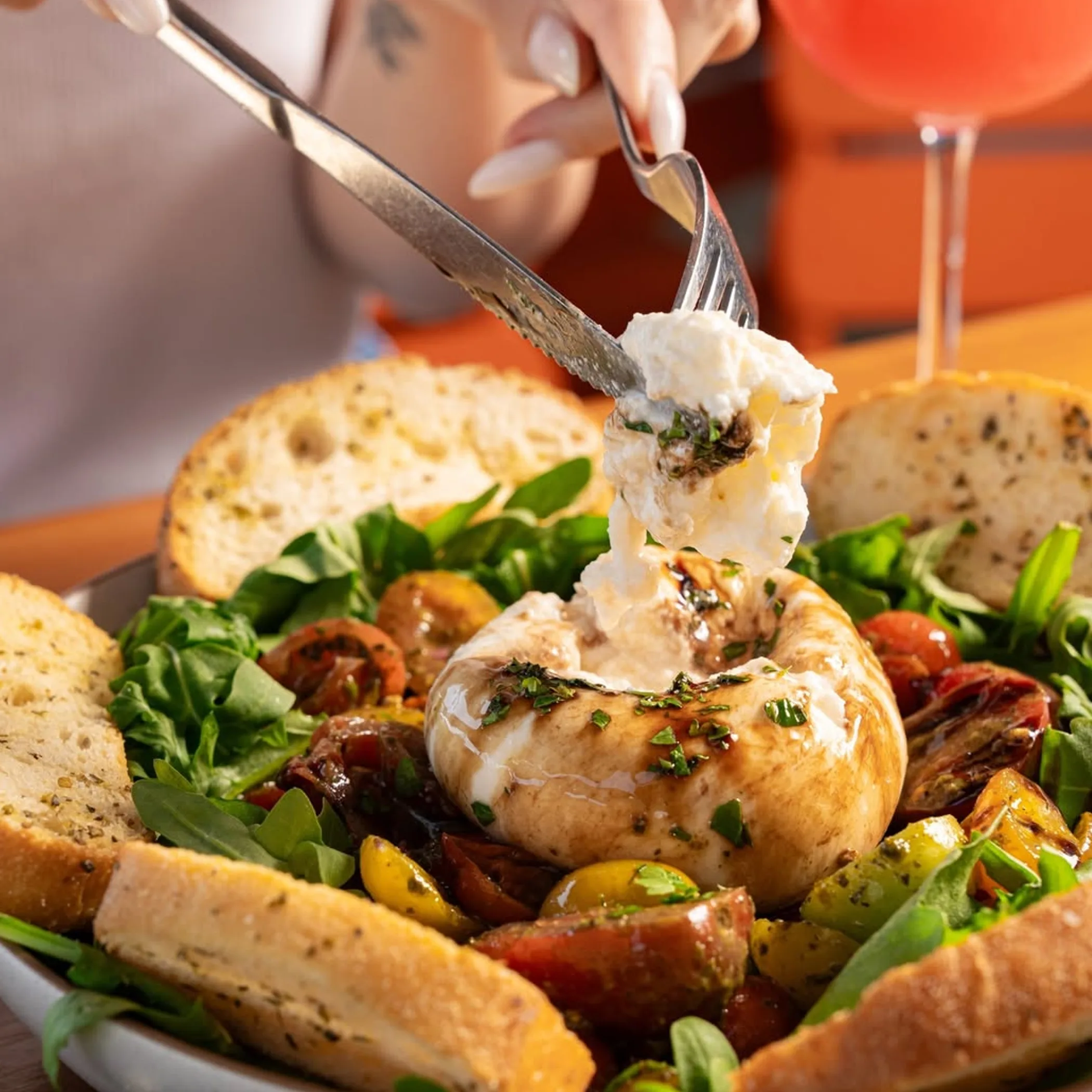
One will find varied pleasures in the top Australian food spots. In Brisbane the modern dining is complemented by easy access to what Queensland has to put on the table; in Sydney you have your major events and harbour precincts along with the seafood. Then there is Melbourne with its hospitality culture and laneway cafes, and in South Australia the food and wine is unsurpassed. For more ideas, see this Australian food festivals guide.
Take the Yarra or Hunter Valleys, Mudgee and the Snowy Valleys for a more unhurried pace and you get farm-to-table fare, cellar doors and regional produce. Do not make the mistake of devoting half your holiday to a hire car and the fuel gauge in search of a proper coffee; pick an area and see it properly.
| Destination | Best For | A Realistic Stay | Who it is for |
|---|---|---|---|
| Brisbane and Fortitude Valley | Markets, contemporary dining and Queensland produce | 2–3 days | City breaks and first-timers |
| Sydney | Major culinary affairs, food tours and seafood | 3–4 days | Those without a car |
| Melbourne | The cafe scene, chef restaurants and all that entails | 3–4 days | Independent types and cafe aficionados |
| Yarra Valley | Sustainable dining, gin, wine and local produce | 2 days | A relaxed weekend for couples |
| Adelaide and South Australia | The serious eater’s choice of wine regions and food festivals | 3–5 days | Festival goers |
| Hunter Valley, Mudgee and Snowy Valleys | Cellar doors, quiet time and regional food | 2–4 days | Drivers and the slow traveller |
The Case for Brisbane
If a warm-weather city break with a robust café culture is what is wanted, Brisbane is hard to fault for its use of Queensland ingredients. Head to James Street and Fortitude Valley where you will find polished dining in the company of small bars and bakeries, and restaurants with no qualms about putting native foods and vegetables centre stage.
Staying at the Calile is convenient for proximity to James Street, come Friday or Saturday evening when things get up and about. Make reservations at the well-regarded chef restaurants and then put in some walking between them, do not put the car through three moves in a night. And dress to the part and have water to hand; in the humidity a brief stroll in Brisbane is something of a steam-room affair.
How to spend a day in Brisbane
Have your breakfast in Fortitude Valley and after a look in at an independent grocer or food market, put in for a long lunch before the heat of the afternoon. To really appreciate the link between the producer and the plate in Queensland, a farm-to-table meal should be high on the agenda.
There is no point in trying to see the whole of the city in a day, so focus on one central neighbourhood. Public transport will do for the inner-city but for a late supper a rideshare or pre-booked transfer is less trouble. As a guide for planning, set aside AUD 25–45 for a casual sort of meal and in the region of 60–120 for something more upscale, with a bit more for drinks of a matching quality. These are not set in stone.
Seafood and Events in Sydney
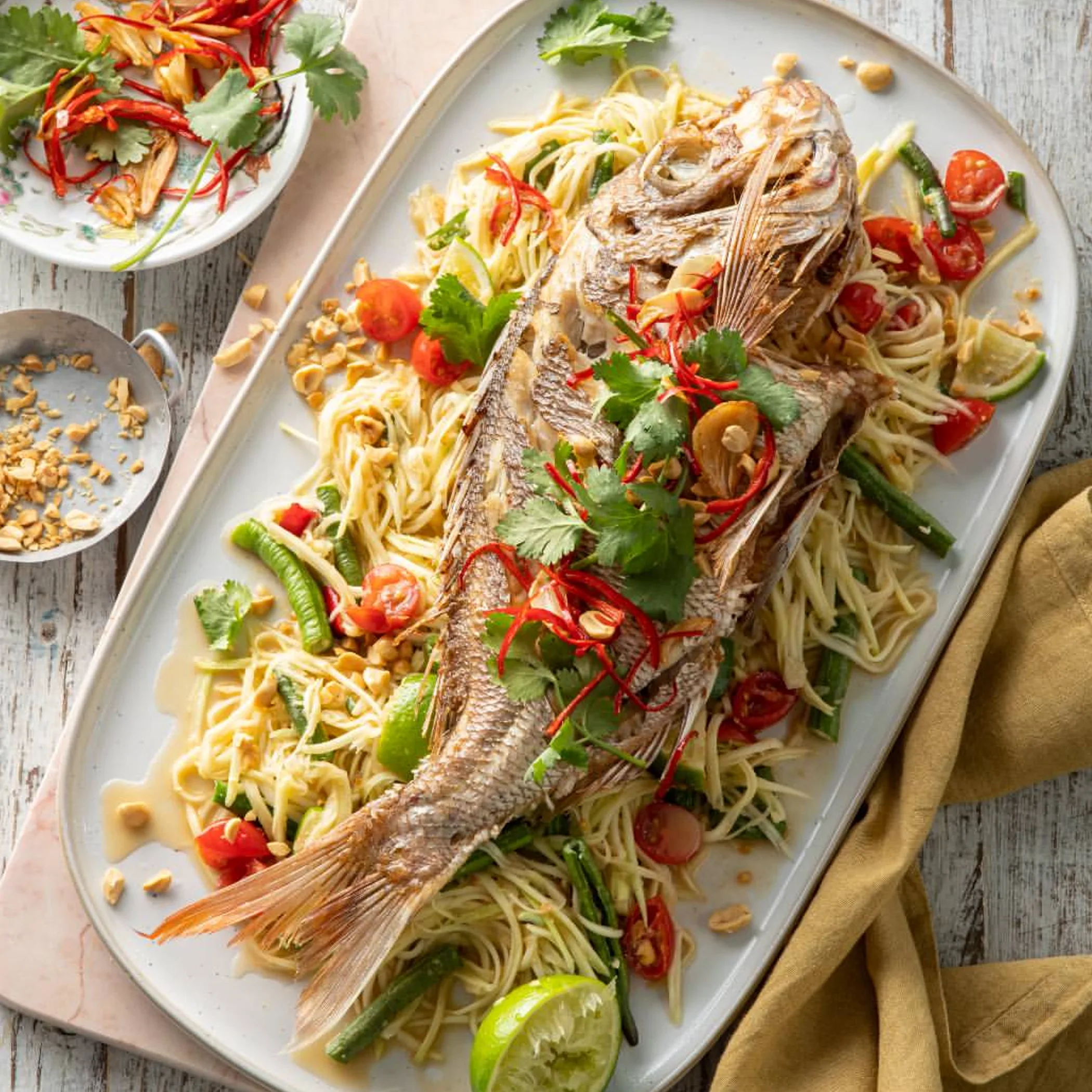
You do not need a car in Sydney to get a wide range of dining, seafood and food tours. The Fish Market is the place to be but go early for the full selection and some peace; by later in the day you are as packed in as sardines which is no fun when you are lugging hot food.
New South Wales puts a lot of culinary happenings on the calendar for Sydney. Vivid Fire Kitchen at Barangaroo and Vivid Sydney 2026 are worth looking into for an event-focused trip, provided you have checked the official programme and dates before committing to flights or a room. There is always the possibility of a change to event timetables, menus or access.
Sydney Made Easier
Public transport will be your least stressful bet in central Sydney where parking is both costly and a nuisance, especially with any major events on. For those with mobility requirements we would advise verifying venue access first hand; you will find considerable variation in an old building or a busy market. And if you have put in several food tours, try to be close to a rail, light rail or ferry link.
Do not make the mistake of regarding Sydney as a single dining district. It is a big city and you can easily lose more time than you think going from a seafood breakfast by the market to dinner on the other side of town. Put your venues in the same suburb, allow for the journey and settle on one good meal to book instead of six you are not going to make it to.
Cafes Are A Destination In Melbourne
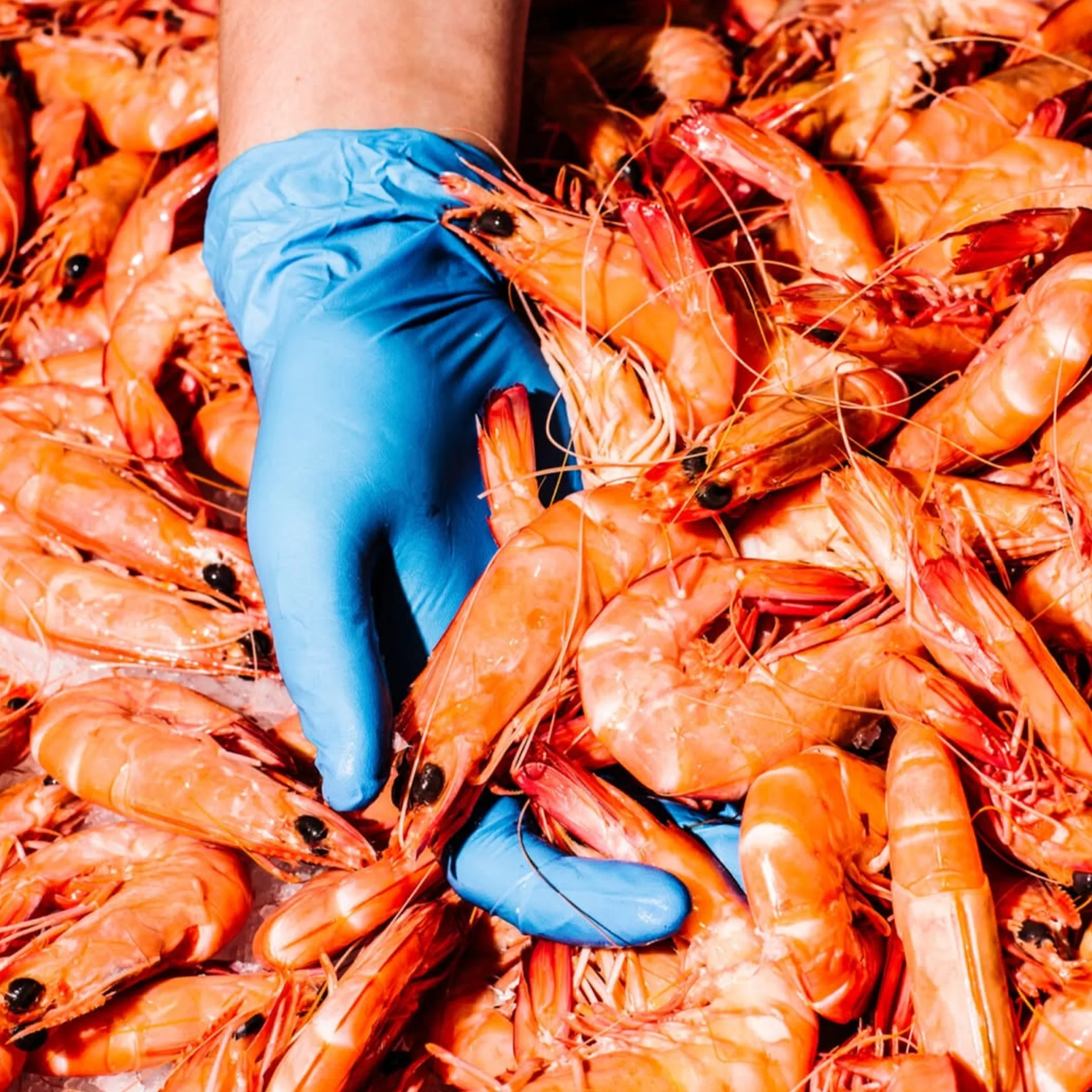
For the likes of laneway cafes and independent hospitality, Melbourne is still Australia’s finest foodie destination. The city has a way of encouraging you to graze: some coffee to start, a midday snack at the market, an afternoon in a small bar and when you are ready a chef restaurant.
Then there is Victoria’s food culture outside the city. Fine Food Australia 2026 is of interest to industry and the food-curious traveller alike for an opportunity to view producers and culinary ideas under one roof. But do not assume a trade event is like your average food festival; check ticket conditions and dates before you commit.
Overbooking Is Not Eating Well
Sensible shoes are called for when you put down a central base and set out on foot. After a cold front has come through that outdoor table which was fine at noon is another matter. You are better off with a light jacket and a booking plan with some give in it than an over-ambitious itinerary.
One day in Melbourne should be spent on a proper breakfast, a tour or market and a dinner you have put in the diary. There is no point trying to cover every famous suburb. The best way to experience Melbourne is to go with a local’s word for it after your first coffee, not to put in like a project manager and tick off a list.
Wine And Gin In The Yarra Valley
Within easy reach of Melbourne the Yarra Valley has all the cellar doors and sustainable dining to be had. Four Pillars Gin is a good place to head for distillery travel, but the region is full of wineries and farm shops making use of what is in season. Should you be tasting, arrange a driver or a small-group tour. Drinking and driving is not something to tell tales about later, it is a poor decision and a lot of paperwork.
A Car Is Of Limited Use
Once you are between cellar doors public transport does not stretch very far, so unless someone is holding back a car is only of use. A guided tour has its merits since the operator knows the roads and opening times and you need not worry about parking. Make a day of it without the rush. Factor in weekend traffic and wet roads and a stop at the farm gate. This is not a valley for visiting a dozen places in four hours, it is for two or three tastings and a conversation that is not pre-empted by the question of where you are off to next.
The Curious Eater Will Be Rewarded In South Australia
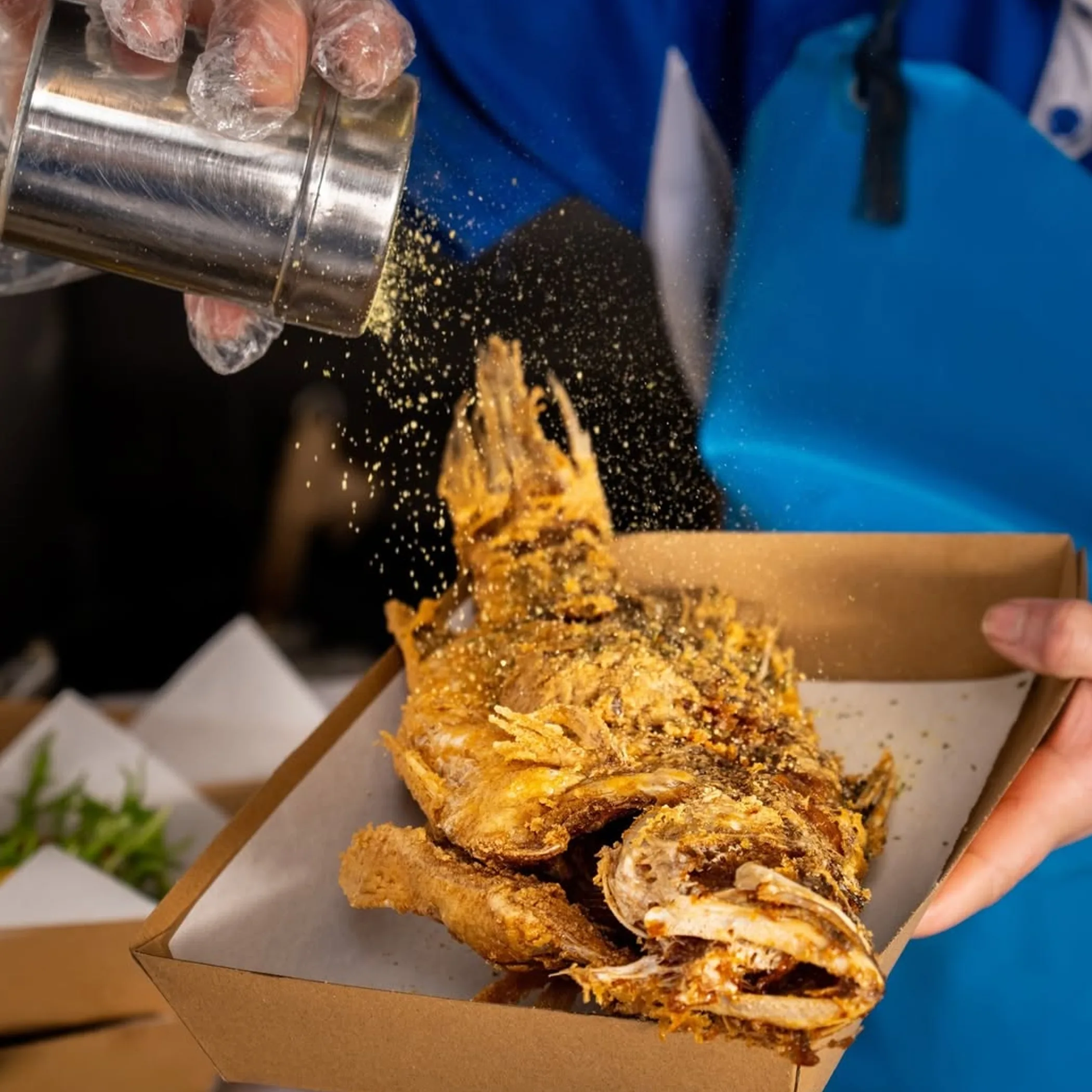
Wine regions, gourmet travel and the Australian culinary festivals of 2026 make Adelaide and surrounds a must. When you are putting together a festival itinerary, Tasting Australia 2026 is the first port of call for regional trips, special dinners and producer talks.
It is also a sensible proposition for variety without the long haul. Adelaide has its bars and restaurants and the wine country close by has a different feel. With a plan for a city day, an excursion and a day at the market or festival you will have the space to put some local produce on the table rather than being on the road for the duration.
Make Your Trip Work With The Festivals
Demand for rooms and restaurants will be up during festival time, so get in early with bookings. See if your entry to a tasting covers the food and alcohol or just getting in. These things add to the cost and “I thought they were included” is no way to approach dinner.
For those with an inclination for the wine and tasting scene in South Australia, make a note of Shut The Gate. Do not put all producers in the same basket though; they are distinct enterprises and one will have different cellar-door protocols or opening times from the next. You would be better served by a phone call than to put your trust in something you read on social media some time ago.
Taste Slower: Regional Escapes
If the idea is to partake of what regional Australia has to offer by way of food without the city clamour, the Hunter Valley, Mudgee and Snowy Valleys are well suited to the traveller. Wineries and farm shops are there alongside seasonal produce, a country bakery and the odd long lunch, set in surroundings that put any notion of watching the clock out of your mind.
Sydneysiders will find the Hunter Valley the path of least resistance, yet weekenders should expect slow going and that the good venues will be at capacity. A more protracted visit is called for in Mudgee to get to know the producers away from the principal cellar doors. As for the Snowy Valleys, they are for the sort of traveller who does not mind the drive between smaller towns and making plans according to when things open.
What Travellers Overlook
On paper the distances are not much to worry about. Then you factor in the roads, weather, roadworks, animals and a desire to take in the view and the timing is altered. Put aside a morning or afternoon for each group of venues and do not let the fuel gauge get too low. Download your directions en route out of town as mobile service can be unreliable; there is nothing wrong with having the address on a piece of paper.
Winter means shorter days and cold in the mornings, summer will bring the heat and the occasional bushfire closure. Before you set off, have a look at local alerts to see if the roads or attractions are operating. The Bureau of Meteorology is an official source for seasonal planning.
Putting Together Your Food Trip
The 2026 Australian food tour is best done with a sensible route rather than an heroic amount of bookings. Have a main destination and a regional extension to it and do not plan every minute of at least half a day; you may need it for a market or a café someone has put you on to over breakfast.
A case for simple planning:
- Pick a region or anchor city and see what is available in the way of accommodation and what festivals or produce are on.
- Put down a booking for a meal or tasting of note, and a market you can be flexible with.
- In rural areas and wine country, have your transport sorted before the drinking starts.
- Have a fallback in the event of bad weather, be it an indoor market, gallery café or a cooking class.
- Budget in the order of AUD 80-150 per head a day to cover coffee, a casual meal and a paid tasting or two (accommodation and festival tickets aside).
Make It Suit You
Public transport and dining within walking distance are easier to come by in Sydney, Melbourne or Brisbane, so those without a car would do well to go there. For couples and small parties a driver or tour in the Yarra or Hunter Valley is preferable. Families are advised to enquire as to age policies and toilet access instead of taking for granted that a cellar door is child friendly.
Any with allergies or dietary needs should ring the venue first. Cross-contact policies are not uniform and menus are subject to what is in season. Those with mobility issues would do well to ask about gravel, steps and how far one has to walk for a seat. It is a more sure fire way of avoiding a wasted afternoon than looking at some nice photographs.
Some Questions On Food
There is a certain flexibility to food travel here but misconceptions can complicate matters. The following are answers to what one is likely to want to know prior to booking.
Which City Is Best?
No one can claim the title officially. For its laneway cafes and hospitality Melbourne is hard to beat, Sydney is where you go for seafood and events, Brisbane for contemporary fare and Queensland produce. It comes down to what you put a premium on.
Is Tourism In Australia Down?
It varies with the destination and the season, so do not think of it in monolithic terms. Demand is still high around school holidays and festivals, but you may get more value for your money on accommodation in the quieter times. Verify conditions with your transport and accommodation providers.
The Foodie Capital?
Melbourne has the appellation of Australia’s foodie capital courtesy of its independent restaurants and multicultural dining, but it is a matter of opinion. If your interest is wine or perhaps Adelaide, then that is the better option.
Five Top Destinations
You could not go past a shortlist of Melbourne, Sydney, Brisbane, Adelaide and the Yarra Valley for a mix of city and regional produce, distilleries and markets. Add in the Hunter Valley or Mudgee if you have the time.
Do Food Tours Justify The Price?
On a first trip or when you are not driving they can. A competent guide will tell you about the ingredients and steer you clear of the places that are all show and do not appeal to you. Make sure you understand what is included as for alcohol, gratuities and the like you may have to pay extra.
Travel Better By Eating Slowly
Australia 2026 has some fine food tourism destinations but they are not always the ones with the most restaurants on the list. Look for where the logistics and the hospitality and the local produce are in harmony. Leave a booking open for a tip from a local.
I would say the lesson in Australian food tourism is to have enough of a plan to stave off chaos but not so rigid that you pass up on a country pub or market stall worth remembering. Bon appétit, and do not forget the mozzie spray.