Choose Your Reef Season
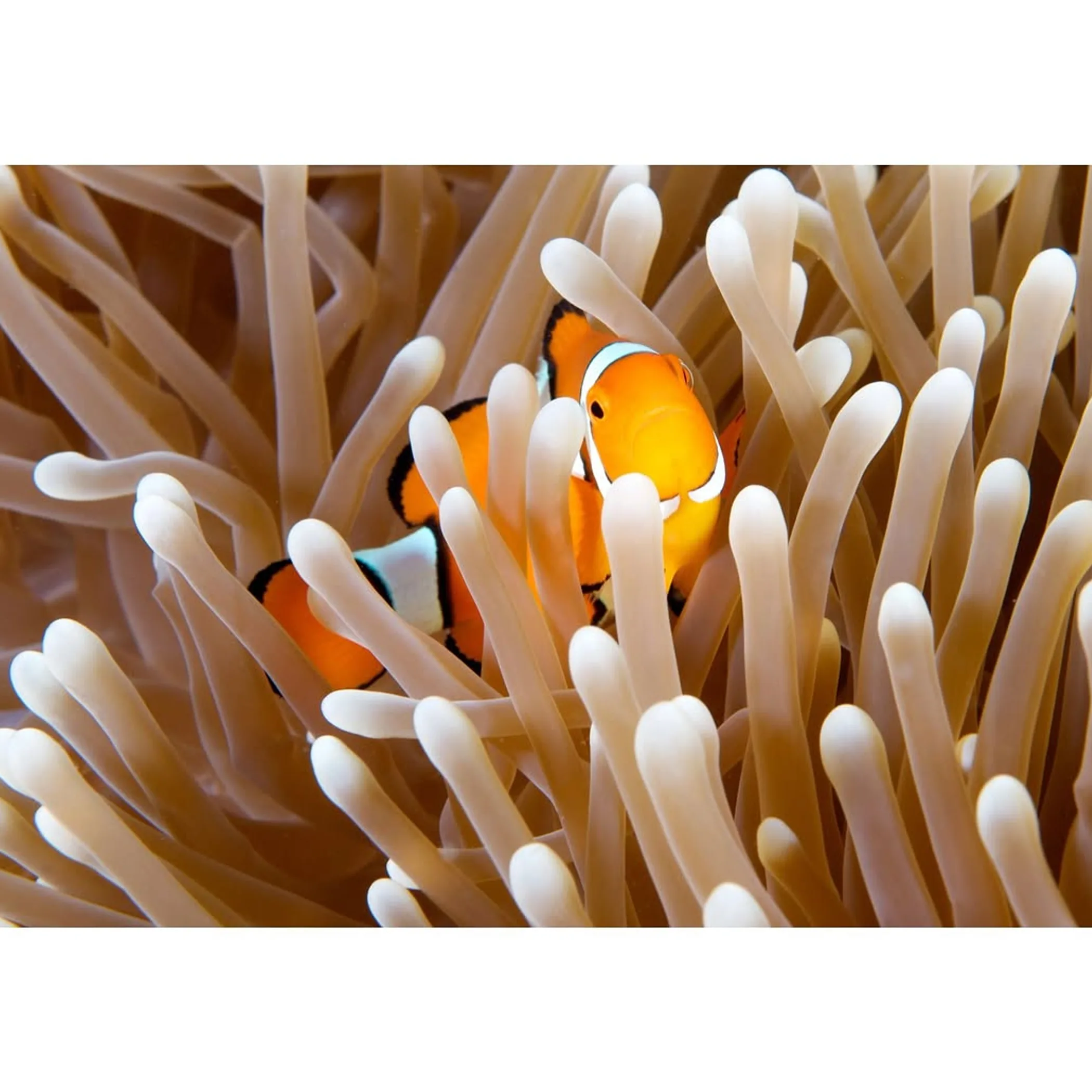
What is the best time to be on the Great Barrier Reef in 2026? The answer is found in a straightforward comparison of Queensland’s two seasons.
For the majority of travellers, the months between May and October are where you will find the most dependable reef tour conditions along with clear skies, less humidity and calm seas. See this reef visit timing guide for more details. An excellent trip is still possible from November through April, but one has to be more accommodating of tropical showers, rougher seas and the marine stinger season.
Then there are those who put a premium on water temperature or the wildlife, like divers, while families might want the sea to be as placid as possible. A traveller watching his budget may not mind the odd wet-weather risk for the sake of an empty boat. I am Abigail Winterbourne; in my experience of putting together no-nonsense travel plans for visitors to Queensland over the years, I have come to see that a good itinerary does not feign that the tropes of tropical weather will be dictated to. It is better to be honest about the season.
Dry Season Conditions
From May to October the Queensland dry season is in full swing. You will make Cairns reef trips the most popular affair of the year as the days are more agreeable on deck, the humidity is down and the weather has a way of being more settled. Many would call these the best months for a tour of the reef.
Weather And Sea Comfort
Standards being what they are in tropical Queensland, a morning in Far North Queensland or around Cairns can be quite crisp in the dry season. The air is not so sticky, there is more clarity to the sky and the sea is for the most part calmer. That is not to be taken for granted when you are making a several hour run out to an outer reef site and want a flat sea to make it so.
But do not expect the seas to be calm on command. Between the harbour and the reef wind can have its say and a quiet morning can turn choppy on the way back. Should you be susceptible to seasickness, take the operator’s word on medication before you board and get outside to fix your eyes on the horizon.
A Day On The Reef In The Dry
This is a predictable day for the family or the first-time snorkeller. Rainfall is low which helps with visibility at the Great Barrier Reef, though the calendar is not the only thing that governs that; tides, currents, plankton and the wind all have a part to play.
The water will be cooler than in the wet, particularly in the colder months. Operators will put a wetsuit or some other protection at your disposal and most are fine with it. But if you are quick to feel the cold, enquire as to whether a full-length suit is on offer before booking. You do not want to be surprised that your tropical swim calls for a bit of neoprene.
Wet Season Conditions

November to April is when the wet season takes hold in Queensland. Expect the heat and humidity to be more pronounced, as well as the rain and the odd storm. Yet a washout is not guaranteed. One can have warm water and very vivid marine life with fewer people about, as long as there is some leeway for the weather.
Rain Does Not Mean Ruin
It is usually a matter of a heavy shower or storm, not a drizzle from breakfast to night. Blue skies in the morning can give way to a spectacular downpour over the ranges and you are back in the sun by lunchtime. The downside is that after strong winds or hard rain, road transfers and visibility underwater can be compromised.
If an operator deems it unsafe he will not hesitate to alter or put off a trip. A cancelled reef tour is a nuisance but better than churning through rough seas for the sake of an itinerary. Have a look at the operator’s weather policy before you put down a deposit and build in a spare day if you are here for the reef.
Warm Water And Quieter Boats
Outside of school holidays the wet season is less of a crowd and the water is warmer, something the scuba diver or seasoned swimmer will appreciate. There is also value in a slower day on the water and not minding the rain jacket that stays in the bag.
One must also factor in the marine stinger season. There is stinger risk in some places and under certain conditions; travellers are well advised to heed local counsel and put on a protective suit where it is called for. Think of a stinger suit as standard reef safety gear, not an indication the ocean has a personal vendetta.
Dry Versus Wet
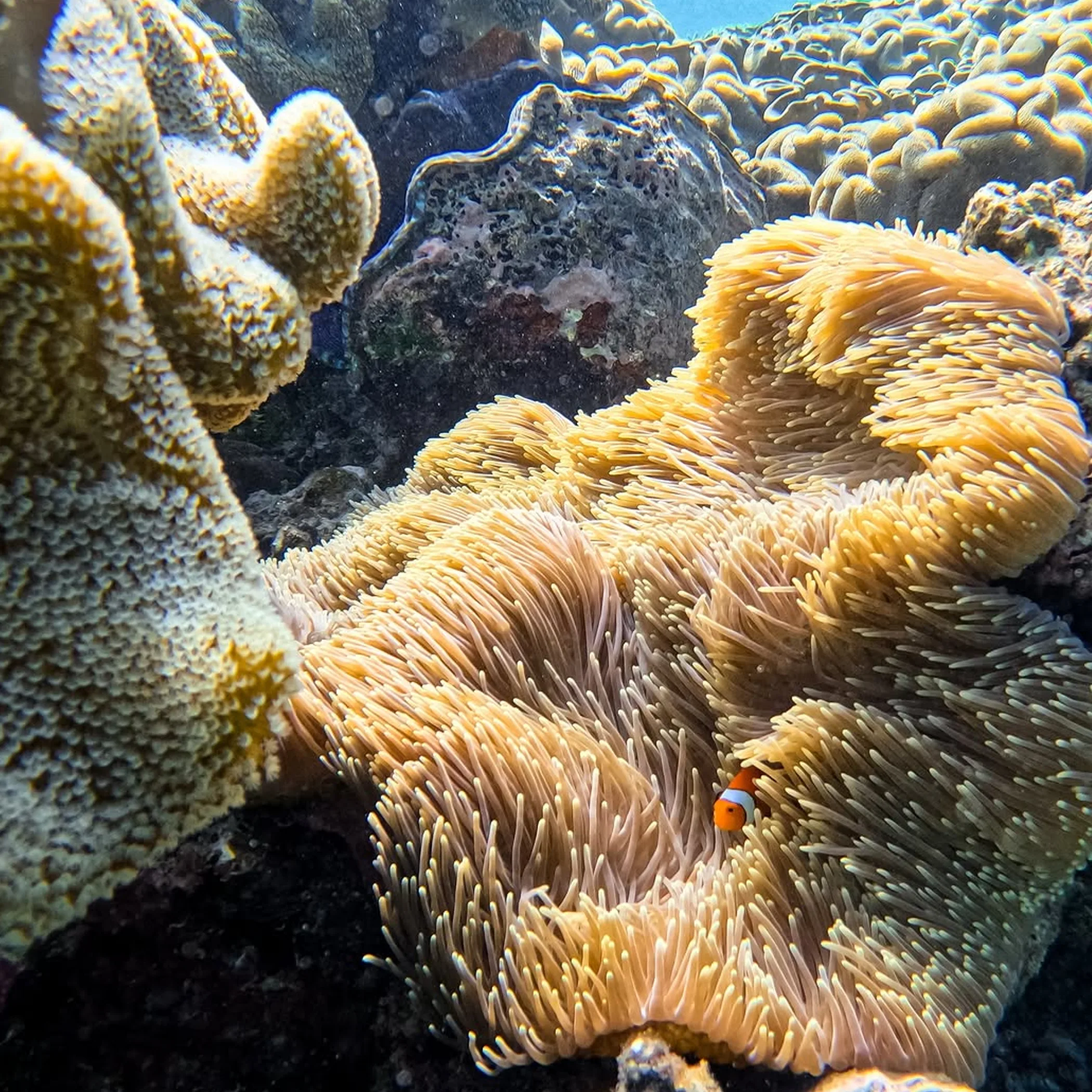
For a quick look at how the seasons stack up, see the table below. Consider it a guide for your planning, not a guarantee: tropical weather has a way of being wonderfully indifferent to one’s spreadsheets.
| Factor | May – October | November – April |
|---|---|---|
| Typical climate | More settled with lower humidity | Wetter, warmer and more humid |
| Rainfall | Tends to be lower | You are more likely to have heavy showers and storms |
| Sea | Wind can still make its presence felt on a trip but is for the most part calm | Rough seas are a greater possibility in these more variable conditions |
| Water temperature | Warmer | Colder in the cooler months |
| Visibility | Favourable in many cases, subject to wind and current | At times excellent, though runoff and rain will have an effect at some sites |
| Marine stingers | In some locales the risk is less, but you should take local advice | Extra care is needed in stinger season |
| Crowds | Popular travel times mean higher numbers | Holidays aside, it is generally quieter |
| Ideal for | Those with set itineraries, first-timers and families | The flexible type, seasoned divers and anyone who wants warm water |
These are six month divisions but do not expect a changeover on 1 May or 1 November. An April can be very wet and October hot and humid. Make the season your point of departure and then get the operator’s departure updates and the forecast when the time comes.
Snorkelling And Diving Visibility
One does not have to be a planner to misunderstand the Great Barrier Reef visibility. A dry-season reservation is no assurance of crystal clear water any more than a wet-season one is of murk. What is to be seen under the surface is down to recent weather, site selection, rainfall, tides, currents and swell.
Underwater Views
Freshwater and sediment will work their way to the coast after a good rain, which can compromise visibility inshore while an outer reef spot stays clear. Then there is strong wind that can agitate the surface and put a damper on snorkelling even if the water is teeming with reef life.
An outer reef excursion may mean more time in transit and a wider range of diving and snorkelling, yet the best location is not necessarily the one furthest out. A competent operator will factor in the day’s wind and tide as well as the passengers’ experience in picking a site. Put to the crew how they go about it instead of making assumptions.
On Water Activities
Most will find snorkelling within their means, provided they have the confidence and basic ability for open water. The crew and floatation devices are there to assist. For scuba you need the right certification for a certified dive; introductory ones come with medical and age stipulations from the operator.
Enthusiastic photos in a brochure should not be allowed to put you in deep water for the day if you are not a confident swimmer. Opt for a vessel or pontoon with glass-bottom viewing or semi-submersible facilities, something with easy access. There is no need to demonstrate anything to the fellow in flippers next to you to have a good time of the reef.
Stingers, Rain And Safety
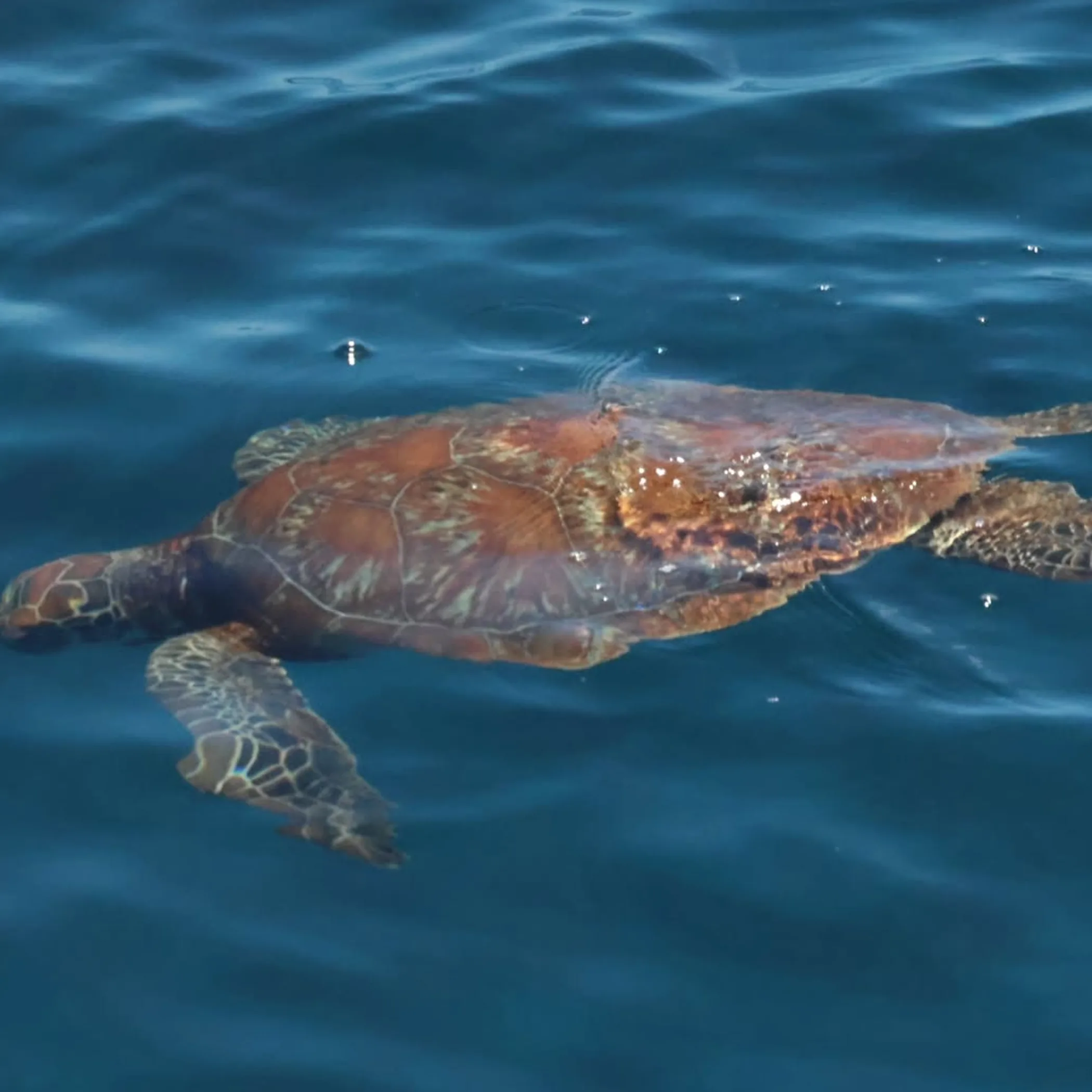
When it comes to the Queensland wet season and its rough seas, lightning and heavy rain, or the need for sensible attire in stinger season, safety is foremost in choosing a season.
Heed the briefing on boarding and the crew on matters of swimming zones and stinger suits. Do not handle the coral or animals, practice proper reef etiquette and keep to your buddy. Should you be seasick or cold or in a panic, make the crew aware of it. It is no badge of honour to quietly suffer through what should be a fine holiday.
The Bureau of Meteorology forecasts and warnings for Queensland are available before travelling. But let the operator’s marine assessment of the day be the final word.
Cairns Or Whitsundays
For a northern Great Barrier Reef visit Cairns is the practical option for the majority. In the Whitsundays you will find a different sort of holiday, with sailing and island accommodation and the chance to get to reefs further south. Let your decision be based on what kind of day you want on the water, the length of the trip and airport access.
Starting From Cairns
Those in search of a good selection of reef tours, ample accommodation and the convenience of being close to the airport, restaurants and supermarkets will find Cairns to their liking. Most of the reef excursions put on in Cairns make their way from the marina; for those staying in the suburbs or at central hotels there are transfer options. Drivers should not take it for granted that a space at the hotel or marina is open, but put in a call with the operator to see what the parking situation is.
On the morning of departure, put some time aside for check-in, traffic and being picked up by the hotel. Make a plan that is workable: have your breakfast, put on sunscreen and allow yourself to locate the right berth at the marina before you board. When heading back, resist the urge to book a flight with little margin for error. The return to Cairns Airport can be protracted by traffic, loading and the state of the sea.
From The Whitsundays
Travellers looking to put in some time on the reef and at the same time enjoy island views, sailing or an extended coastal sojourn are well catered for in the Whitsundays. Airlie Beach is where most trips are based and one can find anything from a resort to a hostel. There are transfers from some hotels but if you are travelling on your own, be sure to verify pickup points; “near Airlie Beach” could still require a taxi or shuttle. Be aware that wind and sea can be more of a factor with Whitsundays voyages depending on the vessel and route. For a day visit, pick a tour whose cancellation policy is unambiguous and do not put it straight ahead of an event or flight you cannot miss.
A Traveller’s Season
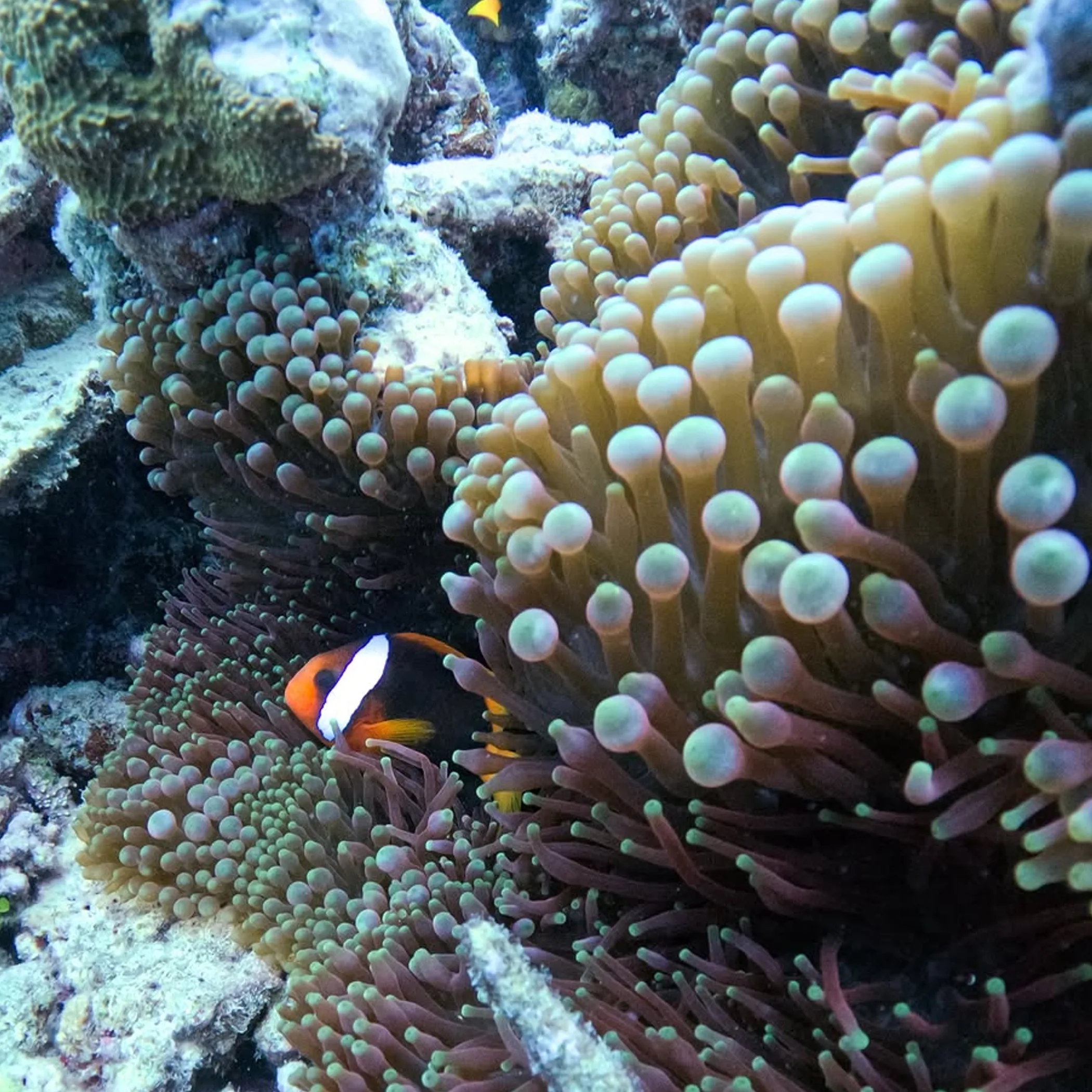
The dry season is the answer for comfort and reliability, especially with a fixed schedule or a first trip to the Great Barrier Reef. From May through October conditions are more settled, humidity is down and logistics are simple. But if you value warm water and a quiet boat over a day of guaranteed blue sky, the wet season has its appeal. An experienced diver or snorkeller may find November to April to be ideal, provided one builds in a weather buffer and concedes that the sea makes the final call.
- One day is all you have? Then from either the Whitsundays or Cairns a full-day outer reef trip with a good name and uncomplicated transport is the way to go; leave the next morning open if you can.
- Beginners: would do well to look past the cheapest fare for a crew with experience, flotation support and calm waters.
- Rough seas are not to your taste? Stick with the dry season and an early departure from a stable vessel when the going is usually assessed before setting sail.
- Warmer water is the objective? The wet season is worth considering, but have a backup plan and make sure of stinger precautions.
Reef Day Planning
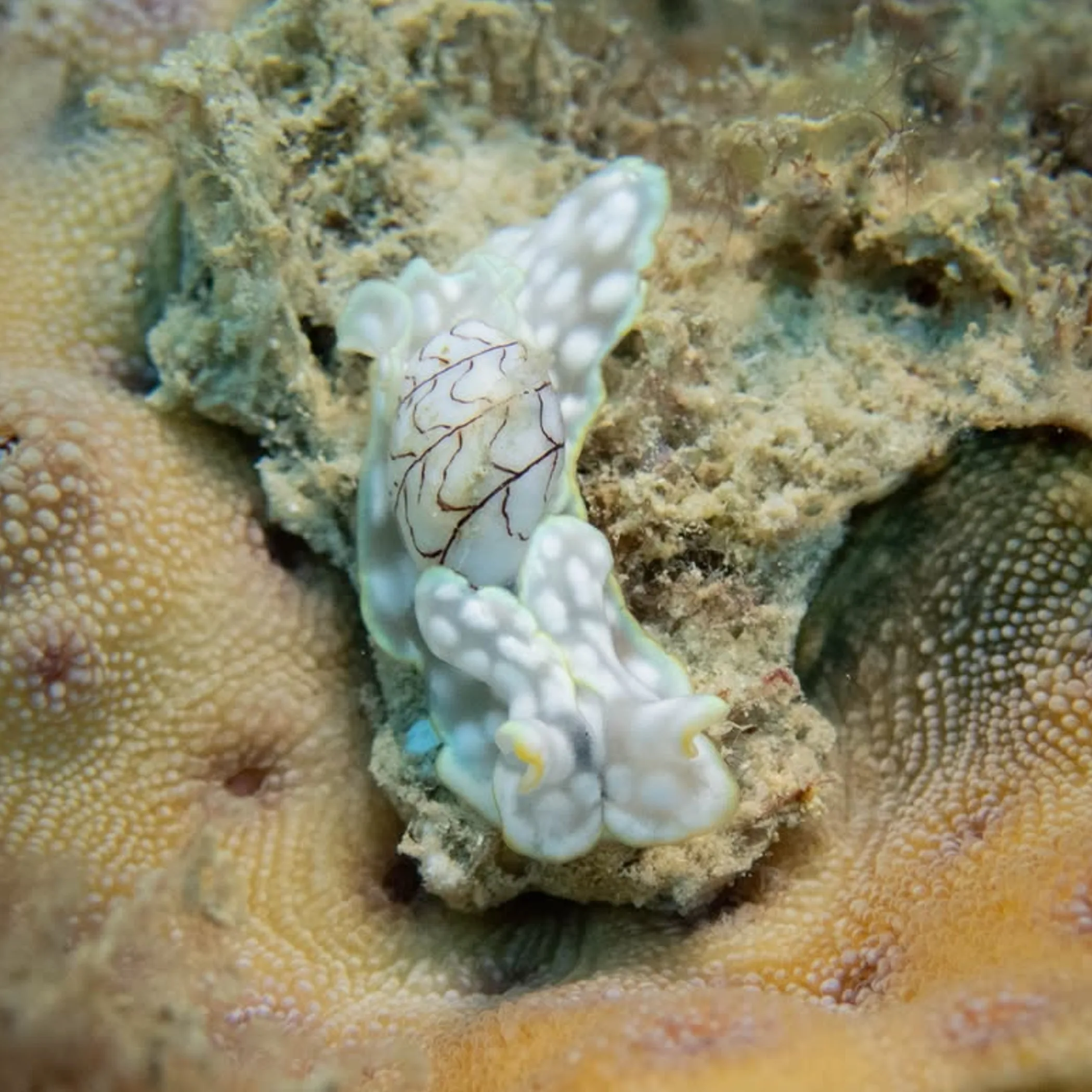
This guide to timing is useful in date comparisons. Look at the month you have in mind and then the inclusions, cancellation terms and where the operator departs from. You may find a lower price tag is not so appealing when wetsuit hire, lunch, marine park fees and hotel transfers are not part of the deal.
- Prior to leaving, see what the marine warnings and seasonal forecast are saying.
- Get the details on check-in, the marina and any hotel transfers sorted out.
- Have a towel, dry clothes, a hat, swimwear, sunscreen and a light rain jacket to hand.
- Inquire as to accessibility, flotation and stinger suits before you book.
- Once the trip is done, give yourself time for a decent meal and any delays from the sea or traffic.
Expectations on cost will differ from one operator to another and with the season and inclusions. A short cruise might be less than a full-day affair but the latter can cover several hours at the reef, guided activities, equipment and meals. And in the popular dry season or school holidays the cost of getting there and putting up will be higher.
Frequently Asked Questions
Is 2026 seeing a recovery of the Reef?
As a large and dynamic ecosystem the condition of the Great Barrier Reef is subject to change and differs from one region to another. While recovery is possible after a disturbance, bleaching, crown-of-thorns starfish, disease and climate issues will have their effect. One should not read too much into the conditions of a single day. Do as the operators say, stay off the coral and be a responsible tourist.
What are the dates for the wet season in Queensland?
Typically it is November to April, with the drier months running May to October, though location will dictate the intensity. In Far North Queensland and Cairns tropical rainfall can be heavy but it is not always an all-day affair.
Which is the best month for a reef trip?
May to October has a lot to recommend it for many in terms of clear skies and dependable tour conditions, but it is a matter of priorities. Opt for the dry season for predictability, or the wet for the chance of a quieter tour and warmer water.
Any reason to stay away from Cairns?
Not in any particular month. What you want to avoid is an inflexible itinerary during times of rough seas or heavy rain. If you are in town between November and April, know the cancellation policy and have a spare day.
A stinger suit?
You will be offered one by the operator when the season and local conditions warrant it. Put on what is provided and heed the crew. It might seem odd at first but better than a snorkel session spent thinking the water has you in its sights.
To Make The Most Of The Season
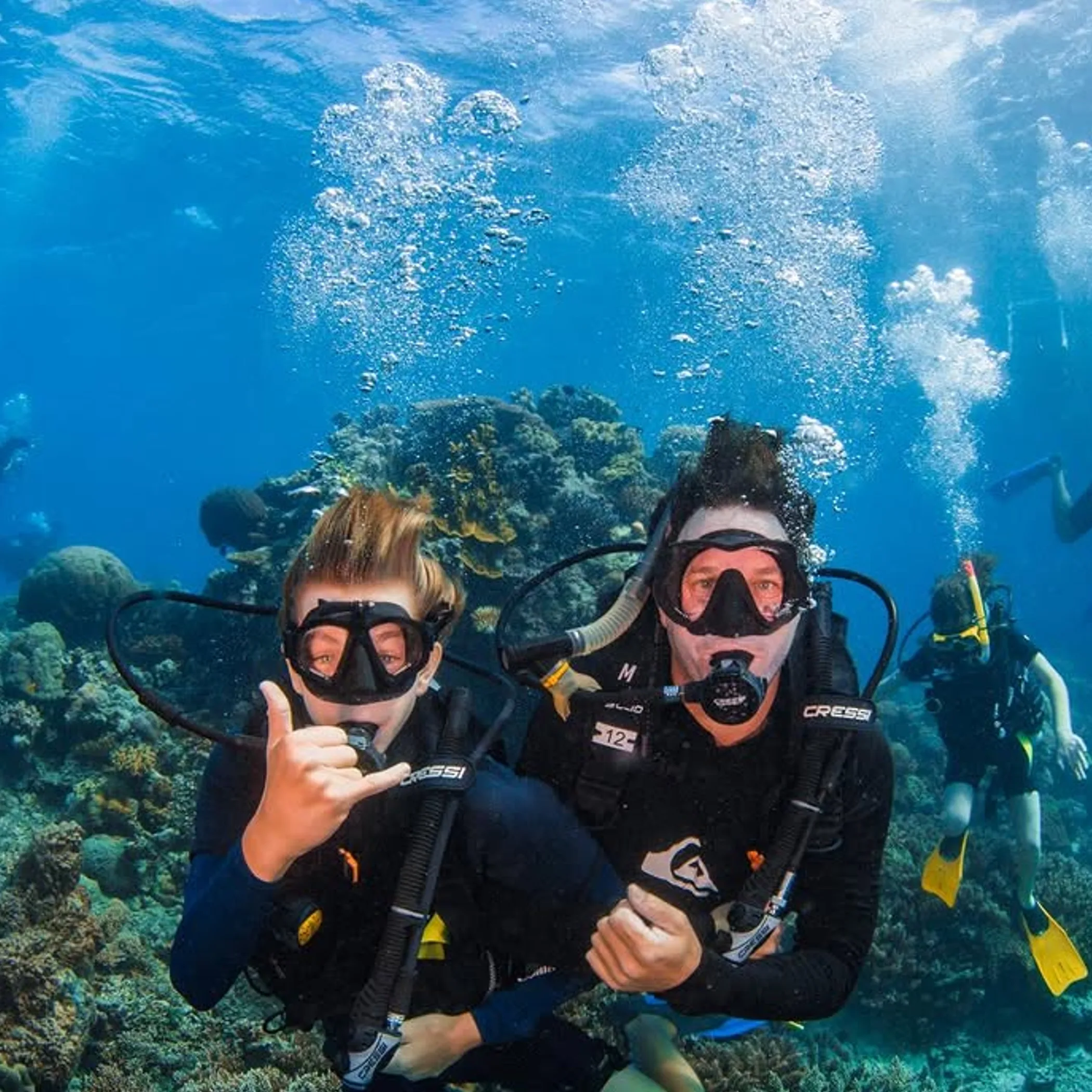
For 2026, May to October is generally the time for a trouble-free visit to the Great Barrier Reef, yet the flexible visitor will not be disappointed with November to April for the lack of crowds and warm water. Cairns is for the traveller who wants convenience and choice, the Whitsundays for a holiday with some island and sailing in the mix.
Do not try to pin down a perfect date, plan for the conditions. Know your swimming ability and the cancellation policy, check the forecast and you will find the dry and wet seasons in Queensland are an asset rather than a cause for concern.