So when is the best time to pressure wash to put a pressure washer to work in Australia? The answer for most of the country is spring or autumn. You will not have to contend with the kind of heavy rain, oppressive heat or humidity that makes the job an ordeal; the temperatures are agreeable and drying time is good. When planning maintenance for your driveway, it’s important to consider the optimal driveway washing season. Put simply, if you are looking for a straight answer, those two seasons are your safest option for exterior walls, decks, driveways and the like. Tropical regions are another matter, there the dry season is preferred over the wet.
Then there is the matter of timing, which is often under-appreciated. Abigail Winterbourne would compare it to setting off on a long regional drive: make a poor choice of season and you have made it more difficult than need be. Let the rain in and mildew will reappear before the surface has a chance to dry. Or put too much heat on it and the detergent will dry out in a hurry, all you are left with are streaks and frustration. Proper mould removal or a simple freshen-up across Australia will hinge on your climate zone and what you are putting down.
Why the season is important
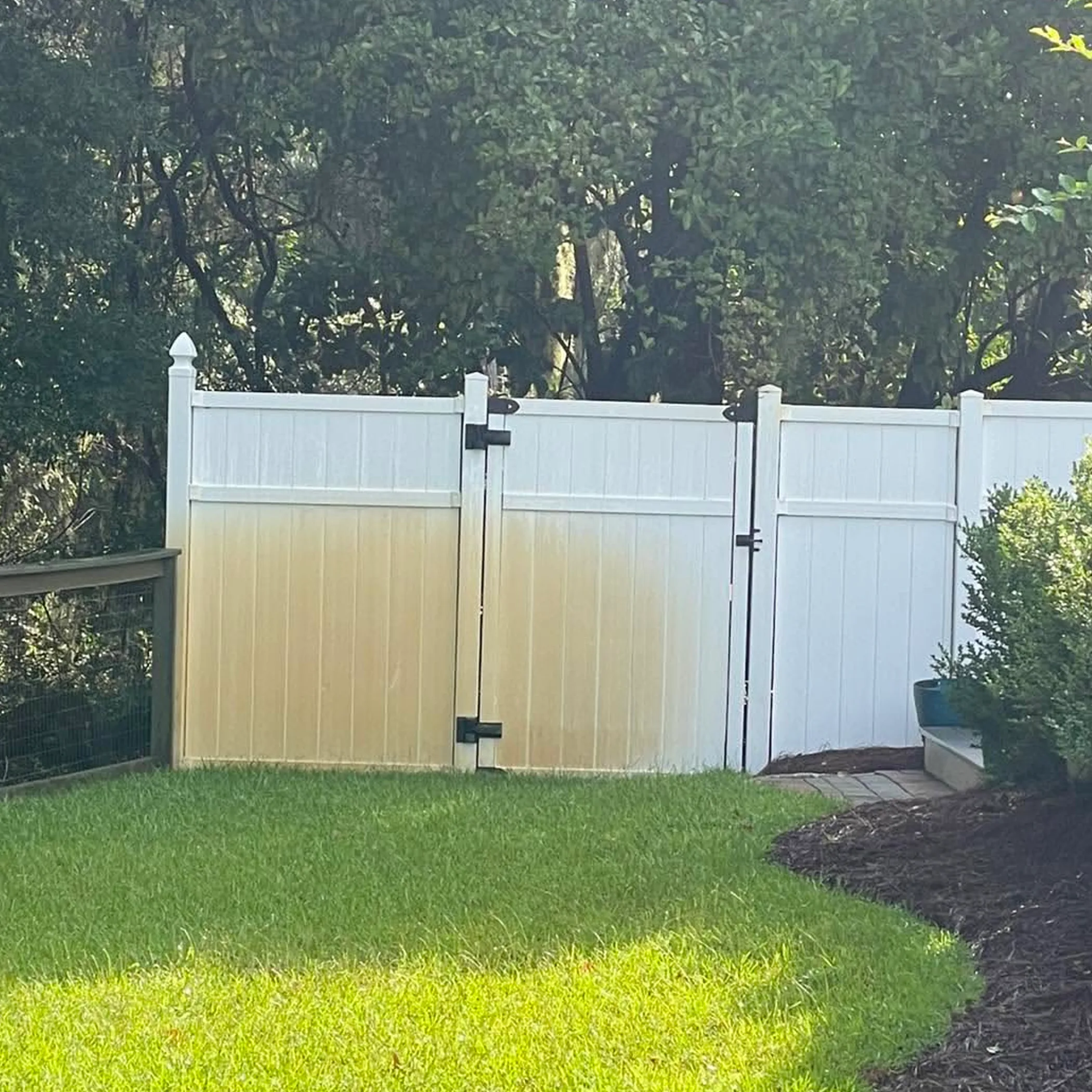
You do not want to just blast some concrete and be done with it. The season will dictate how well the grime comes off, how fast it dries and for how long you can expect to be free of algae and mould. Do it in the wrong conditions and the results will look fine for a week before going to pot quicker than a thonged foot on a wet paver.
Australia is not uniform in its conditions. What you might do on the Sunshine Coast is not a sensible thing to do in Hobart, and what is called for in the Top End in the dry is of no use come the monsoons. Pressure cleaning should be in step with local weather, not some generic calendar.
A seasonal run-down
For the short of it, much of coastal and southern Australia is best served by spring and autumn for general exterior work. They give you better drying than a humid summer or a cool winter, as well as less punishing UV. Good for patios, brick and painted exteriors. Summer is fine in the drier parts of the interior but it has a way of catching one out; the surfaces get hot, the detergent is gone in a flash and the high pressure work is more of a physical exertion. One can also make use of winter in a dry, mild locale, provided you do not let shaded areas remain damp and invite the mildew.
| Region | Most Reliable Season | The reason why | What to be wary of |
| Southern States | Spring/Autumn | Steady drying and mildness | Heat in summer, winter damp |
| East Coast | Autumn/Late Spring | Not as humid as peak summer | Storms, mould coming back |
| Tropical North | Dry Season | Drying is better, less rain | Cyclones and the wet season |
| Inland | Spring/Early Autumn | Keeps the dust and heat at bay | Wind and hot afternoons |
Regional considerations
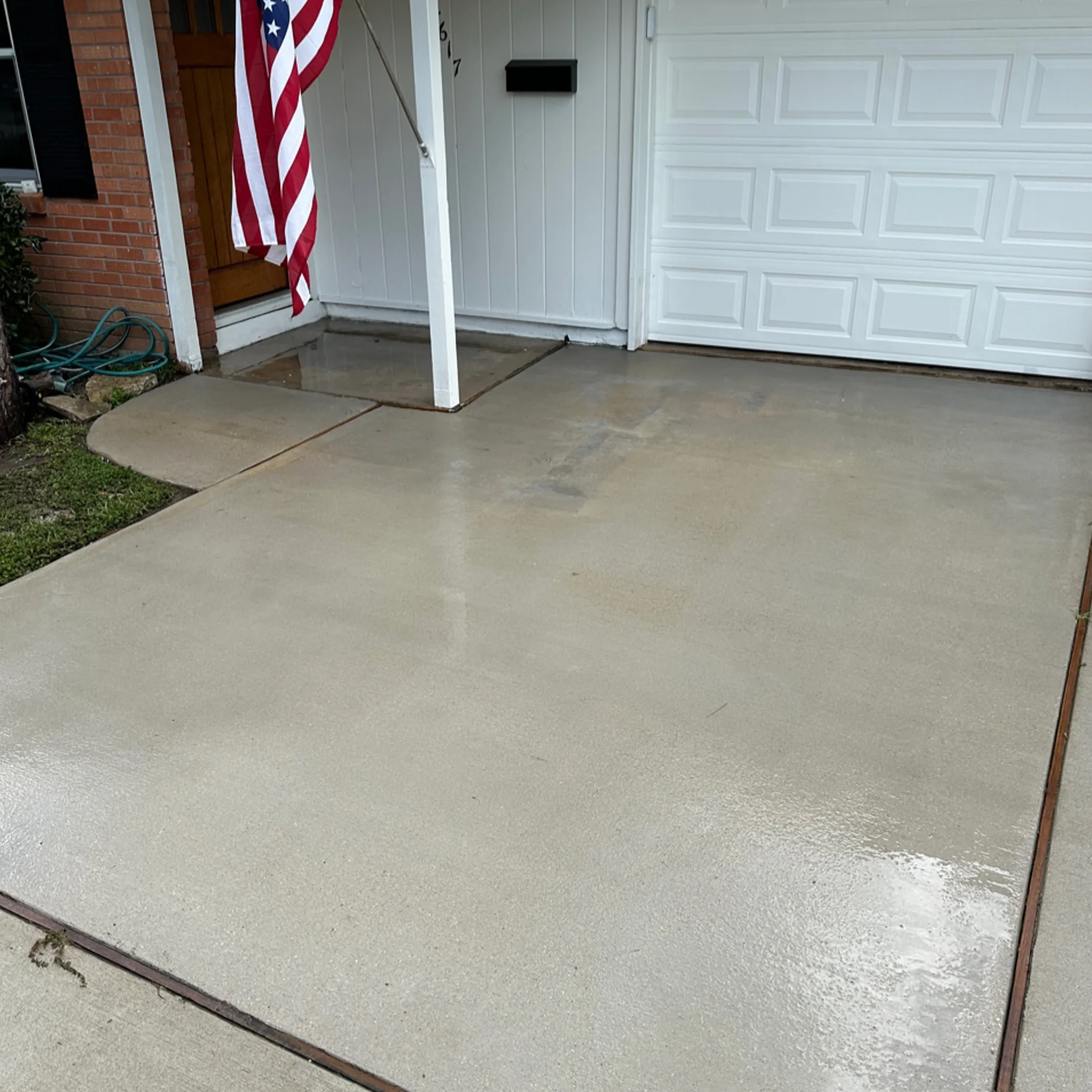
There are no tidy weather patterns in Australia. You have the tropical up north, the east coast’s humid summers, cool winters in the south and inland where a crisp morning can turn harsh by afternoon. The best time to pressure wash is determined by where your letterbox is.
Abigail Winterbourne has had the experience of many a homeowner: think the day is perfect because of the sun only to find the humidity means nothing dries. The calendar is one thing, local conditions are quite another.
Southern States
Take Victoria, South Australia, Tasmania, the south-west of WA or southern NSW. A bit of pressure washing in the spring is effective once the winter has put its mark on things and the air is warm enough to see the surfaces dry. Come autumn it is equally useful to get the paving and walls in order for pre-winter before the damp sets in.
The mistake people make is to leave it to late afternoon in the cooler months. After the sun has set the timber and brick will be damp through the night and the mildew will have a head start. A late morning is generally the wiser time for cleaning.
East Coast Conditions
Humidity is the naysayer in coastal NSW and south-east Queensland. One might say spring or autumn are the times to put a driveway through its paces across Australia, but on the east coast you will find early autumn has the edge; summer storms have abated yet the ground is still warm for a good dry.
Good planning of your pressure washing season will be rewarded. Should your concrete be in the shade of a tree or off a side access, it is easier to get at the mould after some dry days than in the wake of a downpour. A cloudy, dry late morning is preferable to an afternoon that is on fire.
Tropical North And The Top End
It is most sensible to do the pressure washing on homes and businesses in northern Queensland, the NT Top End or up in northern WA during the dry season. You get better drying time for rendered walls, paths and roofs to go with the lower rainfall and an absence of daily storms.
Then there is the wet season. From November to April in the north you have to contend with cyclone warnings, the kind of humidity that clings and heavy rain, and any surface you clean will be damp or soiled again in short order. According to the Bureau of Meteorology seasonal and climate information, the tropical north has its own wet and dry ways, and that is of direct consequence when making exterior cleaning choices.
Inland And Arid Areas
Your safest option in the Red Centre, inland Queensland and western NSW is normally spring or the start of autumn. Rain is down in summer which would seem to make it workable, but on a long, unshaded driveway as flat as they come the heat can cause detergents to dry out and give you patchy results.
Do not be taken in by the dust either. A 10 am job can be done right and then a gusty afternoon makes it seem like you have done nothing. In such places one needs to be practical about what can be achieved and look for a calm morning.
Best Timing By Surface
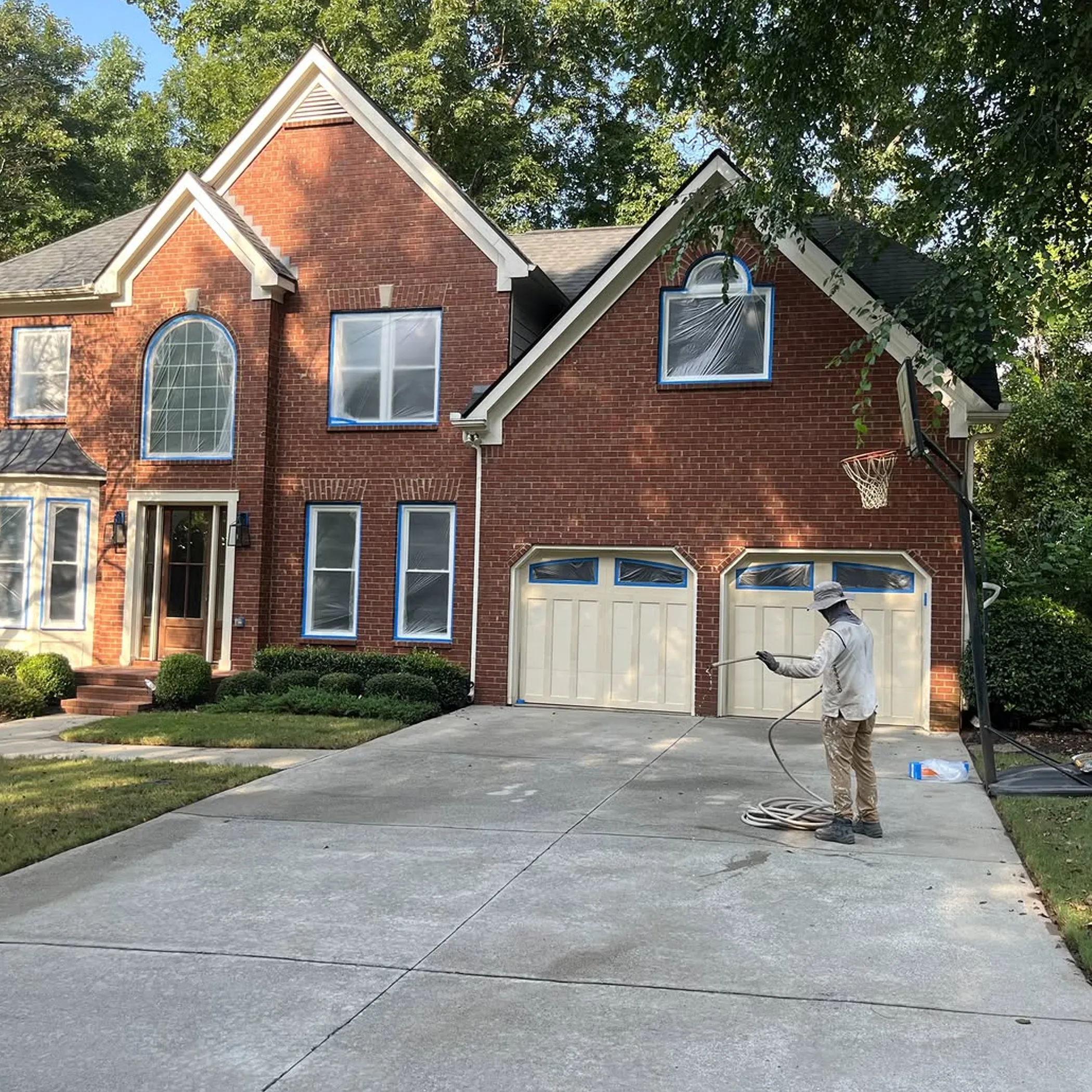
The season is only half of it; the surface type should be as much of a guide when deciding on the timing for a deck or wall as it does for the driveway. A sandstone path is not the same as a tiled roof and concrete will stand more pressure than painted timber.
That is where DIY tends to go wrong. One applies the same nozzle and timing to all and is left to question why one spot is fine and another is rough as guts.
Driveways And Paths
Southern Australia will see the best of the driveway washing season in spring or autumn, the tropics in the dry months. It is a good balance of temperature and humidity to let the grime rinse away. But if there are tyre marks or oil, do not think of it as a one-hour task and put in the extra time.
For sound concrete 2500-3500 PSI is the norm, although older or decorative pieces call for less. Caution is in order since overdoing the pressure will etch and stripe the concrete, a common enough error.
Timber Decks And Fences
You cannot be as hard on timber as you would on concrete. A low-pressure rinse or soft wash is often the way to go with screening or weathered decks. Spring is a good time if re-oiling is in the offing, provided you have warmth without the scorching.
Patience is the key. Timber may require 24 hours or more to dry before you treat it, 48 in the shade or if it is humid. Some will clean on Saturday and want to oil on Sunday and then be surprised the finish will not hold.
Brick, Render And Exterior Walls
Brick is not too fussy but you must be more careful with mortar joints and painted render. Autumn is fine for a post-winter clean in the cooler states, spring for mildew that has built up. Where there is humidity, ensure the air can move to dry things properly.
On rendered or painted areas, soft washing is more effective against organic growth and less likely to damage the paint than brute force.
Roofs And Gutters
Homeowners would do well to exercise some caution and put in a bit of thought when it comes to roof cleaning. Dry and mild is the way to go as far as timing is concerned, though one should not let the season dictate matters of safety. A combination of wetness, a steep pitch and mouldy tiles is an unenviable one; in such cases there is no better use of money than to call in a pro.
Storms have a way of leaving behind their share of black staining and leaves. An early clean of the gutters and roof before winter will help pre-empt any overflow, whereas those with heavy tree cover may find a post-winter session more appropriate.
Weather And Time Of Day
The month is less of a consideration than the forecast. You can have what passes for the best pressure washing season in Australia and yet make a fool of it by cleaning in high humidity or under the afternoon sun, or just ahead of rain. It is preferable to have a stretch of dry weather and moderate temperatures so the surface has ample daylight to dry down. As Abigail Winterbourne might say, if the laundry is not going to dry, your driveway will not either. The same holds true, only without the romance.
Temperature And Humidity
For the majority of exterior work you want it to be on the warm side. Detergents will evaporate at the first opportunity if it is too hot, and cold will impede drying. Then there is the insidious nature of humidity. In coastal areas in particular it will leave paths and walls in the shade damp for hours on end. This is important since a surface that does not fully dry is an open invitation to mildew. A week of mugginess is reason enough to hold off until the weather breaks.
Rain, Wind And Sun
You do not need telling that rain is an impediment, but a light shower is enough to cut short the dwell time of chemicals and wash contaminants where they are not wanted. Wind is almost as much of a nuisance, particularly inland, for blowing dirt back on to what you have just done. Harsh sun will dry things out in a hurry and cause streaking.
Make it late morning. There is too much dew in the early hours and afternoons run out of drying time before night.
Season By Season Pros
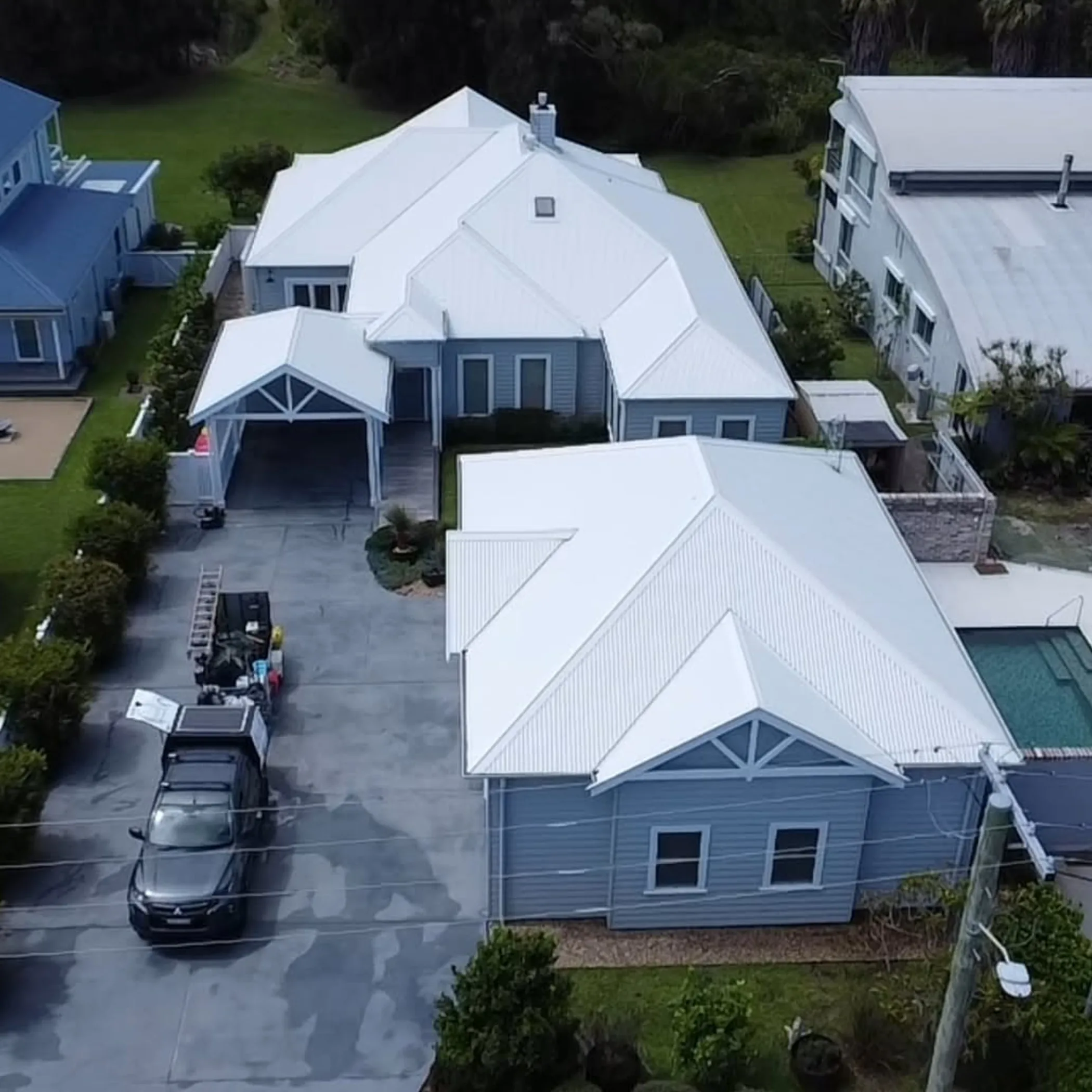
Australia being what it is, any season will do in the right place. But do not be taken in by brochure talk that has one season as the panacea for all ills; your retaining wall is not impressed.
- Spring: Good for a post-winter tidy up and to put the outdoors in order for entertaining, provided you can put up with the pollen and the contractors’ diaries.
- Summer: Handy in the dry interior but the heat and humidity of the coast make it difficult. Get an early start and steer clear of hot surfaces.
- Autumn: The all-rounder for patios and driveways. No summer extremes and the temperatures are more even.
- Winter: Perfectly acceptable in a dry, mild locale but in the south or in the shade the drying will be slow. Save it for a sunny spell.
Safety And Pressure Settings
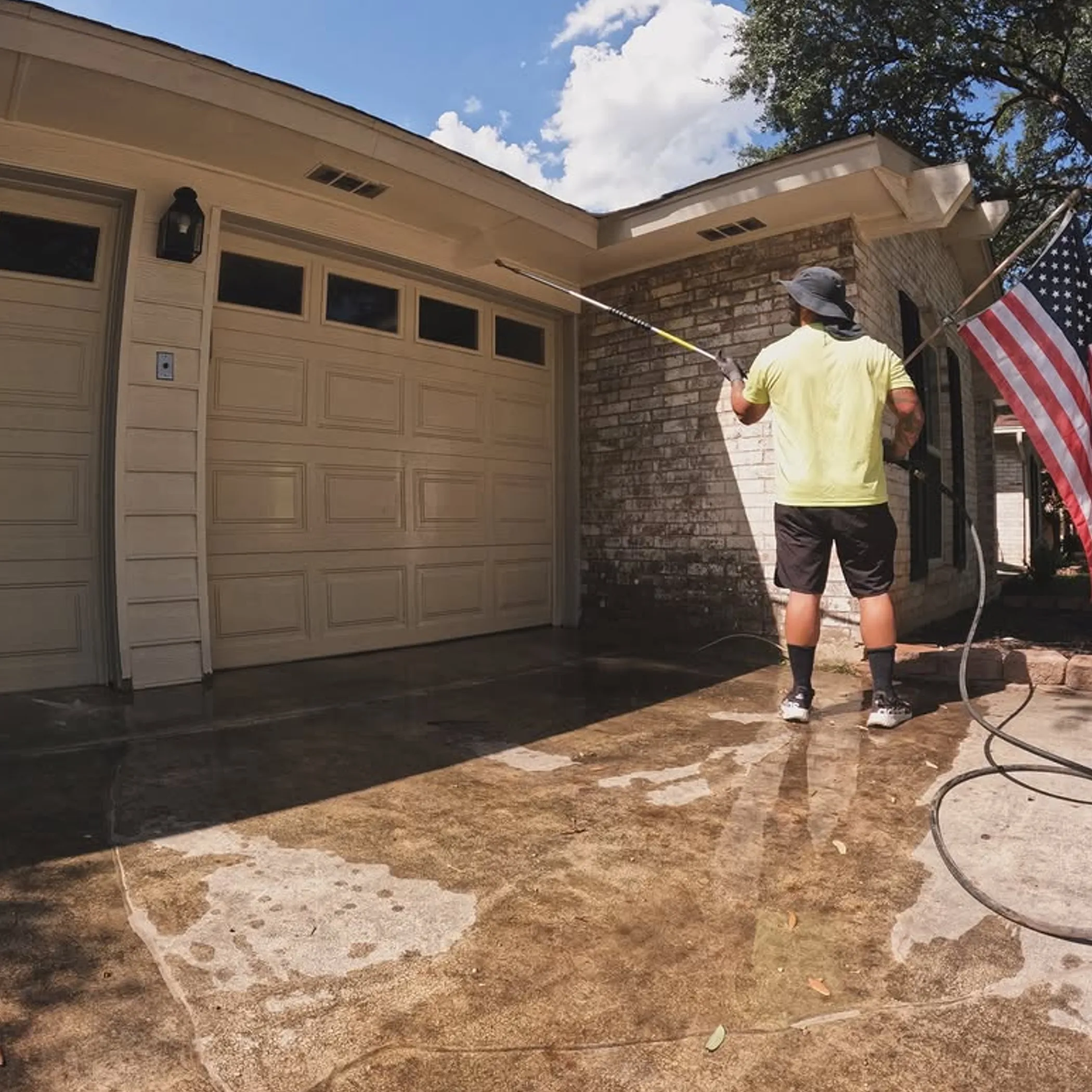
Do not mistake a pressure washer for a magic wand. Put it to bad use and you will be gouging timber, stripping paint and putting muck in the drains and eyes. For the do-it-yourselfer the priority is to sidestep the obvious errors.
Professionals from Westlink Services, Pressure Wash Experts, AustClean, All Seasons Home Maintenance, PressureUp House Washing, ExteriorCleans, TheWindowBoyz, PressureCleaningGuys, TheJetCo and others will determine the right detergent and pressure for the surface rather than guess at it. That is what separates a patchy job from a proper one.
Soft Wash Vs High Pressure
Where you have hard concrete or brickwork, high pressure is fine. Painted render, roofs, delicate stone and timbers are better served by a soft wash. When biological growth is the problem a soft wash with the correct treatment will put raw pressure to shame.
The common error is to think that higher PSI yields a better outcome. More often it is a recipe for damage and splashback that has to be put right later.
Equipment And Access
One day is all you have? Then put the driveway or shady patio first, where the slip hazard is greatest. Good conditions will see a suburban driveway done in anything from an hour and a half to three, but oil, poor drainage or an awkward hose run will extend that. Add in a corner block or a tight side path and the time goes up.
It is easy to overlook the mundane like parking and access but you need a safe power source, room for hoses and a runoff route that will not flood the garage or take dirty water to the neighbours. Professional outfits with systems from GatlingTech and the like put that to better use than a weekend warrior could. A Word on Frequency
Some marketing will tell you otherwise, but the average home does not require pressure cleaning on a regular basis. How often one should do it is a matter of climate and conditions: the amount of shade and tree cover, traffic, if the surface has a tendency to get slippery. You can expect to put in more work on a property in coastal Queensland than you would in an arid inland town.
To give some idea, 6 to 12 months is a reasonable interval for driveways and paths in humid climes; in drier parts of the country 12 to 24 months will suffice. Exterior walls are another story, unless they are subject to mildew or salt from the coast, or have picked up their share of grime from heavy traffic.
| Climate Zone | Driveways And Paths | Walls And Render | Decks And Timber |
| Humid Coastal | Every 6–12 months | Every 12 months | Every 6–12 months |
| Temperate South | Every 12 months | Every 12–18 months | Every 12 months |
| Tropical North | Once per dry season (or as the need arises) | Every 12 months | An inspection after the wet season |
| Dry Inland | Every 12–24 months | Every 18–24 months | Depends on the dust and finish |
Hiring and Costs
Location, size of the job, access and the state of the surfaces all factor into what residential pressure cleaning will set one back in Australia. A small driveway these days is likely to be in the region of AUD 100 to 250, whereas a larger expanse with heavy staining could be AUD 250 to 500 or thereabouts. For a complete exterior wash the figures are more open ended, from a few hundred to well past AUD 1,000 by way of scale and method. Consider these indicative rather than set in stone.
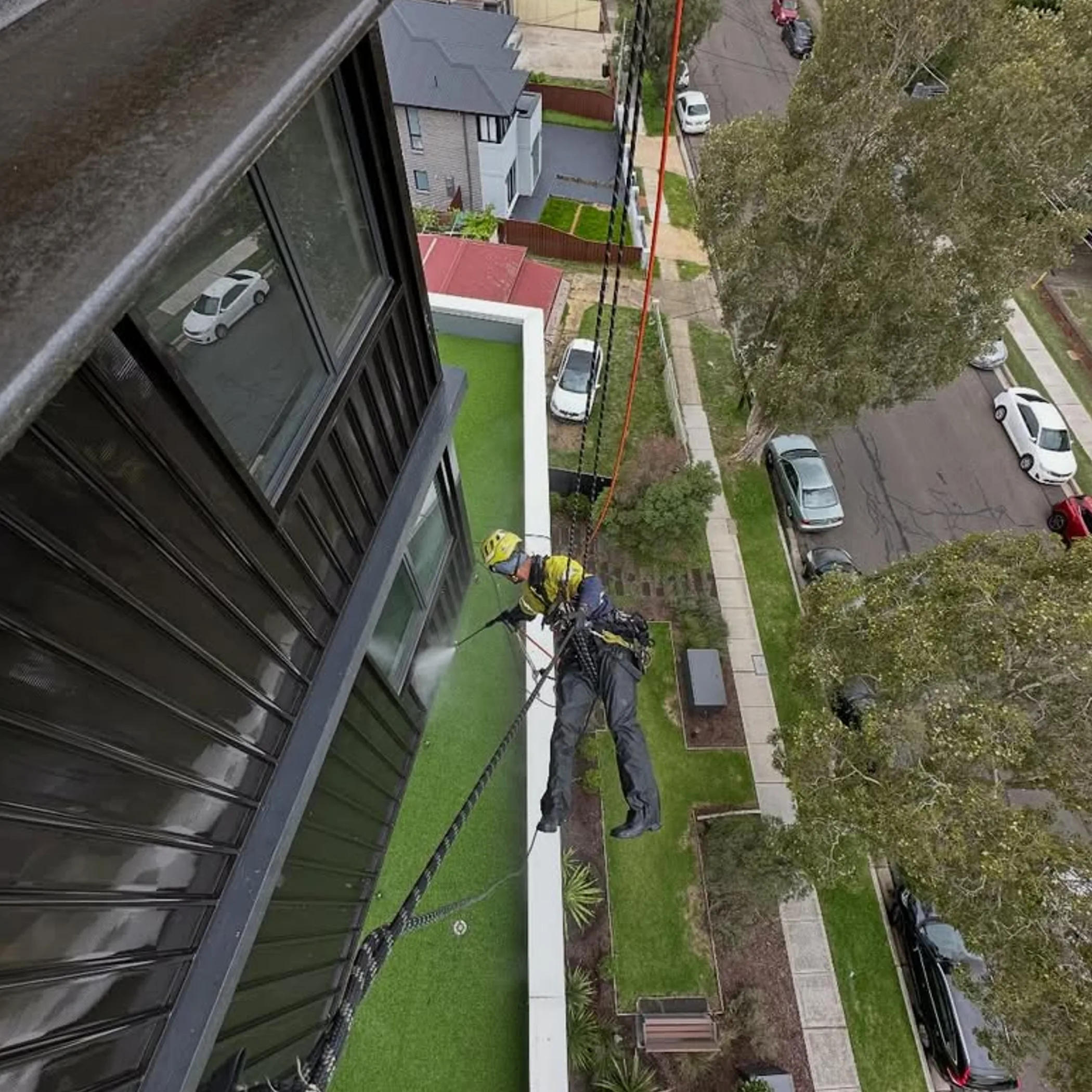
Then there is the question of doing it oneself. If the ground is level, structurally sound and easy to get at, DIY is a money saver. But where the surface is elevated, delicate or so stained it calls for chemicals and you have to control the runoff, call in a pro. Roof work is no place for a novice; a sprained ankle is not worth any amount of clean concrete.
- Keep your own efforts to flat, accessible concrete or paving.
- Leave the pro to handle roofs, multi-storey walls, painted areas, stubborn mould and anything where drainage and safety are an issue.
The Reality of It
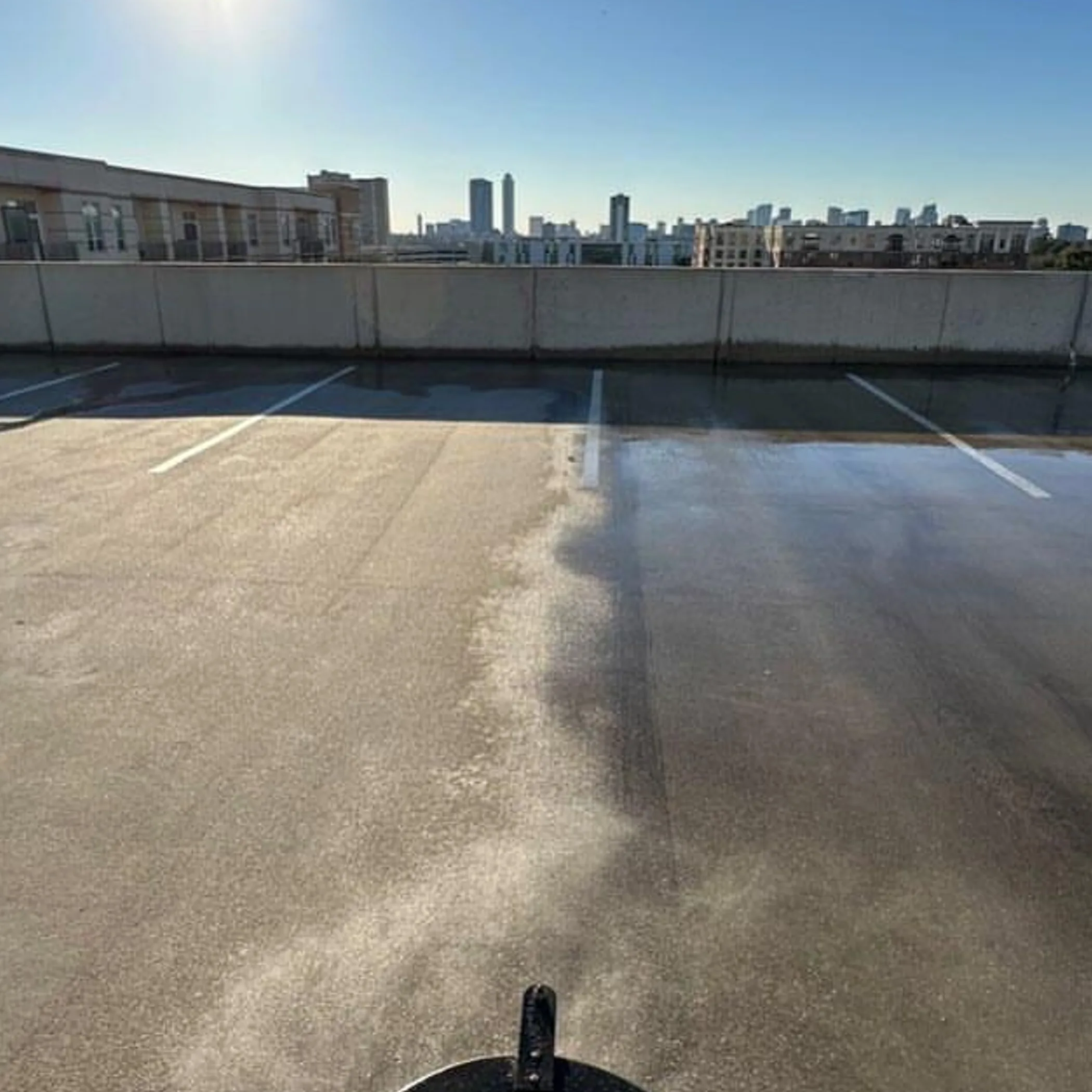
One might as well address the expectation versus reality of the whole affair. Online videos make it seem like a neat hour’s work and a triumphant before and after picture. The truth is that while the results are gratifying, it is seldom that simple. There is pot plants to be moved, hoses to sort out, pre-treating the algae and then the weather to wait on. You will find yourself putting in a scrub on a strip by the garage the sun has exposed. Abigail Winterbourne would say that is par for the course. Better to plan for the conditions and leave the ego aside.
In Summary
Spring and autumn tend to be the time for it in most Australian homes, the dry season in the tropics. Put simply, look for a day with dry weather, manageable humidity and enough daylight to see the job dry off completely. That is preferable to being tied to the calendar. And if you have mildew or a slippery surface, do not put it off until it is a bigger undertaking. A clean done at the right time is safer and less costly.
FAQ
What is the best season for pressure washing?
Temperatures are moderate in spring and autumn and you will find better drying conditions for most of Australia. In the tropics the dry season is to be preferred over the wet.
When to put a patio through the washer?
Autumn or spring is ideal, particularly for shaded spots or where algae is an issue. Pick a late morning on a run of dry days to let the surface dry down.
How are the seasons in Australia?
You will not find four distinct southern-style seasons in the tropical north of WA, the NT or Queensland. There is a wet season with its storms and humidity and a much more stable dry season that is suited to cleaning the exterior.
Cost of pressure washing?
Figures for a small job may be between AUD 100 and 250. Add several hundred for a full house wash, difficult access or a big driveway. What you are quoted will be a function of size, water supply, soft washing requirements and the like.
Is there any time to stay away from pressure cleaning?
Yes. Do not attempt it in the rain, when it is very hot or windy or the surfaces are too hot to put a hand on. Nor should one try DIY on a roof or fragile surface without the proper equipment and know-how.