seasonal home maintenance checklist exteriors Australia 2026 on paper and it is rather dry. The short of it is this: to put your home’s exterior in good order under Australian conditions you have to be guided by the weather and not what takes your fancy one Sunday. Divide the work into four seasonal rounds. Understand the optimal seasons for exterior cleaning. Get the gutters sorted ahead of any heavy rain, give the roof a once over before storms are due, put some sealant on the deck to stand up to the summer sun and so on. It is about tending to the mould, paint and drainage while they are still small matters, before they cost you.
I would say as much as Abigail Winterbourne does from her experience of seeing homes put through their paces with coastal salt or inland dust; steady and well-timed maintenance is the way to go. There is no call for a complete renovation. A sensible system and the discipline to put aside the “I will do it next month” line when a storm is on its way is what is required.
Why you should be doing seasonal exterior maintenance
In Australia a home is aged by the climate as well as the years. On the coast there is the matter of mildew and salt, out in the bush an owner is concerned with ember attack and clogged gutters, further north cyclone season and wet-season drainage are top of mind. Different headaches for the same parts of a house.
The object is not to be perfect but to be preventative, to keep the timber in good shape and water where it should not be, and to see off pests and the kind of repair bills that could be avoided.
The effects of the weather
One could say Australian exteriors get flogged. Paint and sealants will succumb to UV, a hard rain will tell you if there are leaks in the roof or flashing, and if the drainage is obstructed a downpour becomes a muddy affair at the footings. From November through April the north has to contend with intense rain and cyclone alerts. Down south winter brings low sun and moisture that can mean unanticipated mould removal.
The Bureau of Meteorology puts it best: rainfall and severe weather are a far cry from one region to the next in a country that is tropical in the north and temperate in the south. So let local weather dictate your timing rather than some social media checklist. The BOM has the official figures at Bureau Of Meteorology Climate Information .
Where owners tend to err
It is a mistake to wait for the rot or the peeling. Another is to do all your exterior work in spring because it seems like a good time to be productive. In fact, when you should be cleaning depends on the locale and the forecast. I have been witness to a person putting out AUD 450 to have the exterior walls pressure washed and then leaving a downpipe cracked and running water right onto the slab. Tidy enough for a week but it is of no use. You might prefer the look of it but proper drainage is more important.
A Seasonal Calendar at a Glance
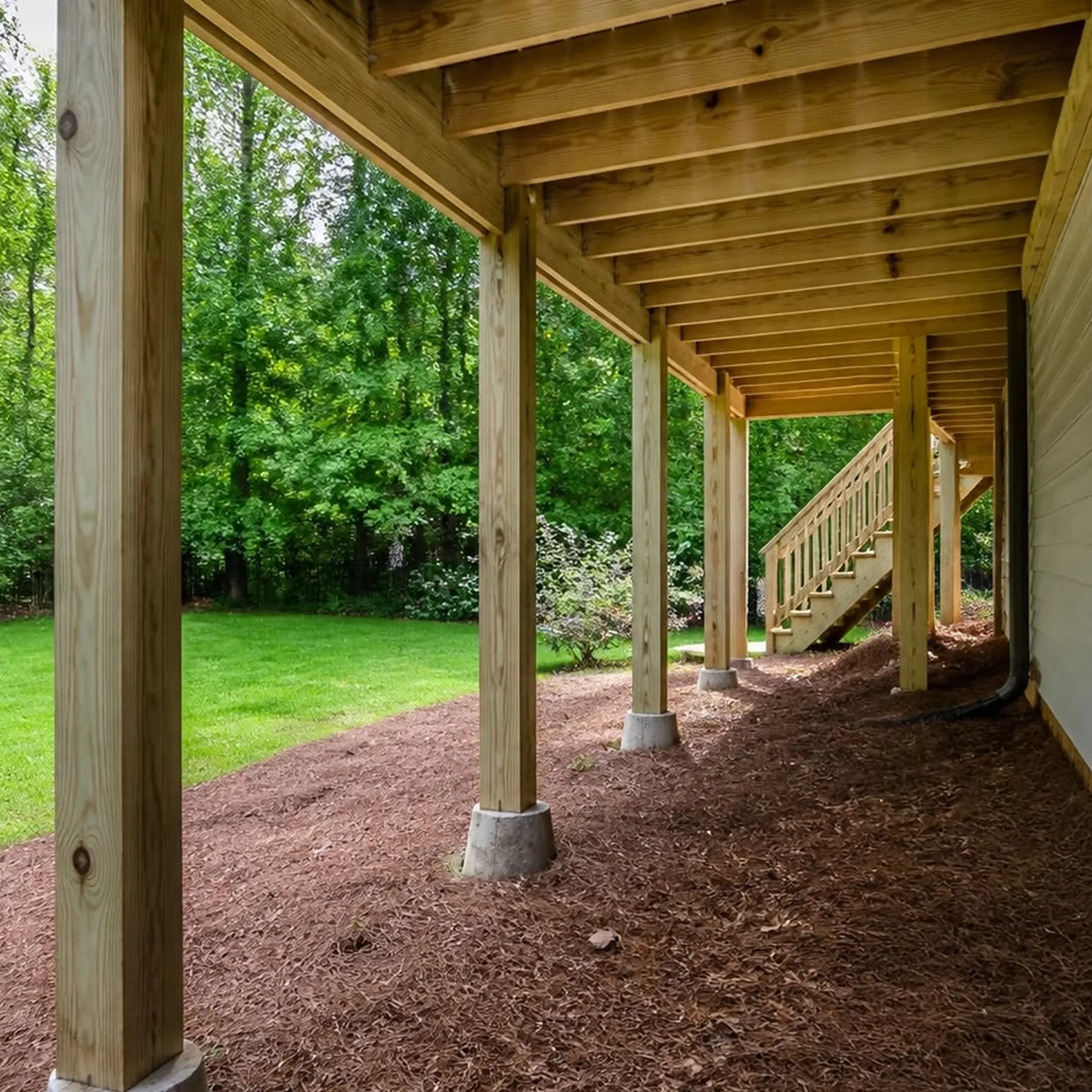
Here is the practical version. Each season is a window to either prepare, protect or put things right.
Take the table as a guide and make allowances for where you are. A deck on the Sunshine Coast is not like one in Ballarat, any more than Hobart is like Darwin.
| Season | Main Focus | Key Exterior Jobs | Best For |
| Autumn | Prepare For Wet And Wind | Gutter and downpipe cleaning, inspecting roof tiles and storm drains in Australia | Planning for bushfire clean-up and southern/eastern storms |
| Winter | Waterproof And Monitor | Weatherproofing, dealing with roof leaks and flashing, a touch up on the paint, mould and mildew | Damp-prone and shaded homes in cooler climes |
| Spring | Clean And Repair | An inspection for termites, fence and gate work, check the irrigation and outdoor taps, some pressure washing | To reset after winter in advance of the heat |
| Summer | Protect From Heat And Fire | Bushfire home maintenance, checks on shade and drainage, care and sealing of the deck | High UV and dry areas, suburbs with a bushfire risk |
For Whom This Is
Any homeowner or landlord of a detached or low-rise property with exposed surfaces will find this of use, as will those with tiled roofs, external plumbing, garden drainage, painted weatherboards or timber decks.
And if you are in a strata high-rise, the body corporate may have most of these jobs covered. But it is better to be in a position to put forward a sensible question than to be given vague assurances. Cleaning a house exterior is deceptively easy to put down as until the weather makes it so. Put in at an inopportune moment and you are left with slip hazards or have been too heavy handed with a finish for little gain, not to mention any moisture you have put in place.
Abigail Winterbourne would be blunt about it: there should be some purpose to your cleaning. Not just because the sun has come out and you are in an ambitious mood after a flat white, but to see a result that endures.
When To Treat, Clear And Wash

Autumn is best of times in much of southern Australia to get on top of leaves and clear the drains and gutters ahead of the winter rains. Come spring, one can put in the work for a more thorough job on the outside, say pressure washing the driveway, paths and walls; the surfaces will dry and you will be in a position to assess any damage from the winter.
Tropical and subtropical climes call for a different approach. Get the roof fixings and overflow paths in order before the wet sets in and leave mould treatment to drier periods when things can be allowed to dry off. In bushfire country, summer cleaning is not for show but to reduce fuel along the fence line, decks and gutters.
Expectation Vs Reality
The notion is that a pressure wash will put right all ills. The truth is old paint and oxidised metal or pavers that are porous will want sealing or repair. Do not be fooled by what you see in an online video as to how long it takes to do up the exterior; you will be moving pot plants, hose reels and whatever else has made itself at home by the side of the house.
Plan on six to 10 hours over two mornings for an average family home, roof access aside. Then there is drying and patching to be done and a trip to the hardware store for a sealant or bracket you have overlooked.
An Autumn Exterior Checklist

You may find autumn less of a spectacle than spring but if you wish to be spared leaks and timber damage in winter it is far more practical. People are taken unawares by the season while the weather is still amenable. Before you know it the drains are clogged with leaves and a rain event becomes something of an ordeal.
Roof Water Flow
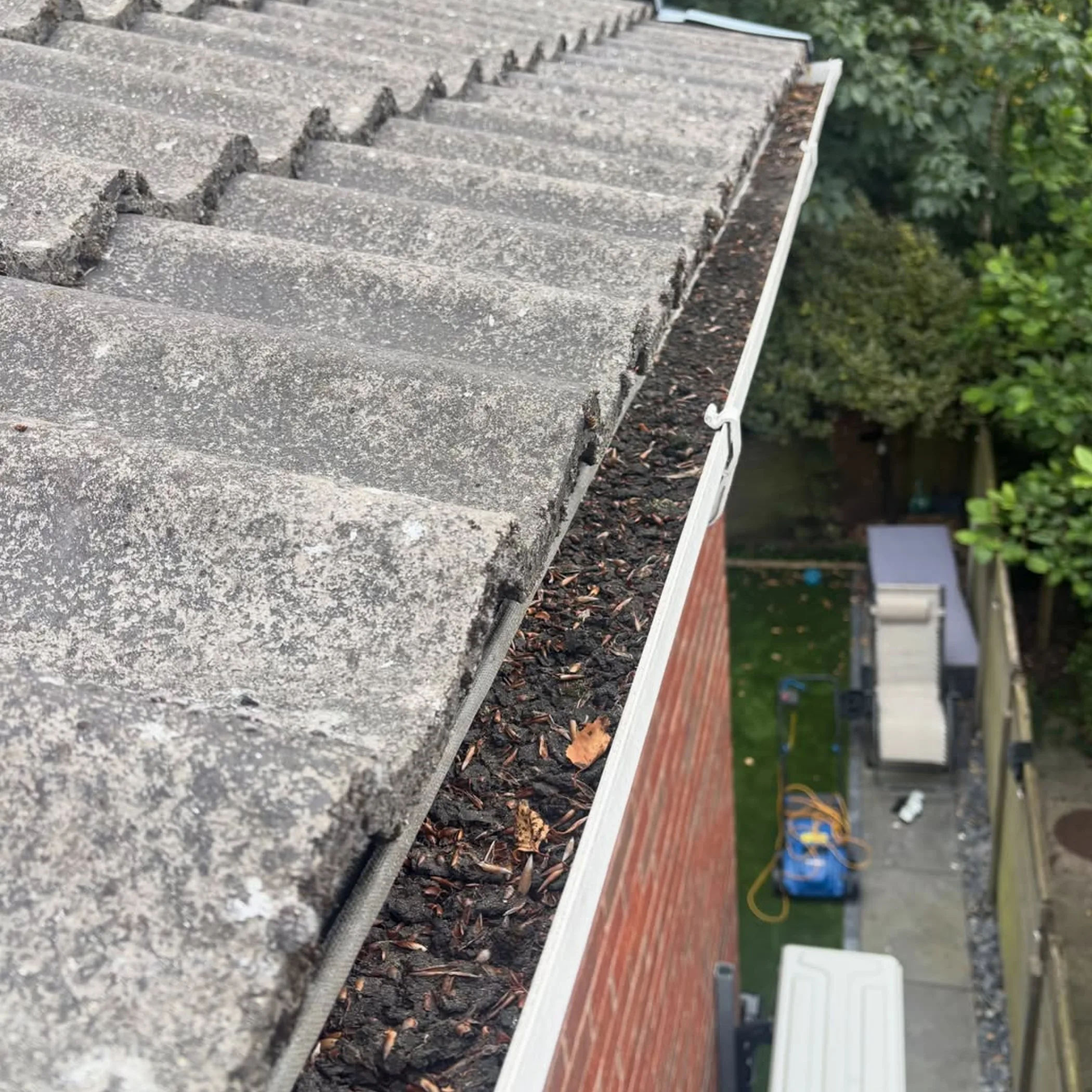
Make a checklist for the roof: tiles or sheets, ridge capping, fasteners, valleys and flashing, and look for sagging in the gutters. Chimneys, skylights and where the roof meets the wall are places to check for leaks. Staining under the eaves is not something to shrug at; water does not forgive neglect.
A gutter that is clean but discharges into a blocked downpipe is akin to a motorway with a brick wall at its end. Make sure to check outlets in the wake of a light rain, the best time to see if storm drain maintenance has been wanting.
Jobs To Prioritise In Autumn
- Clear grates, valleys and gutters of any sediment or leaves
- Hose out the downpipes and see where they discharge
- Any movement or cracks in the flashing, metal sheets or tiles
- Branches that are in the way of the roof or abut the walls
- Stormwater pits and ground drainage at a distance from the house
- Should mulch or beds be near the walls, have a termite inspection Australia done in Australia
As for cost, professional gutter cleaning in Australia is hard to pin down given the height of the house and roof pitch. A two-storey with difficult access will set you back more than a single-storey in the suburbs where you might pay in the region of AUD 180-350. If the quote seems too good to be true, enquire as to what is covered. Some will clear the gutters and make no attempt to test the downpipes.
Winter Exterior Checklist
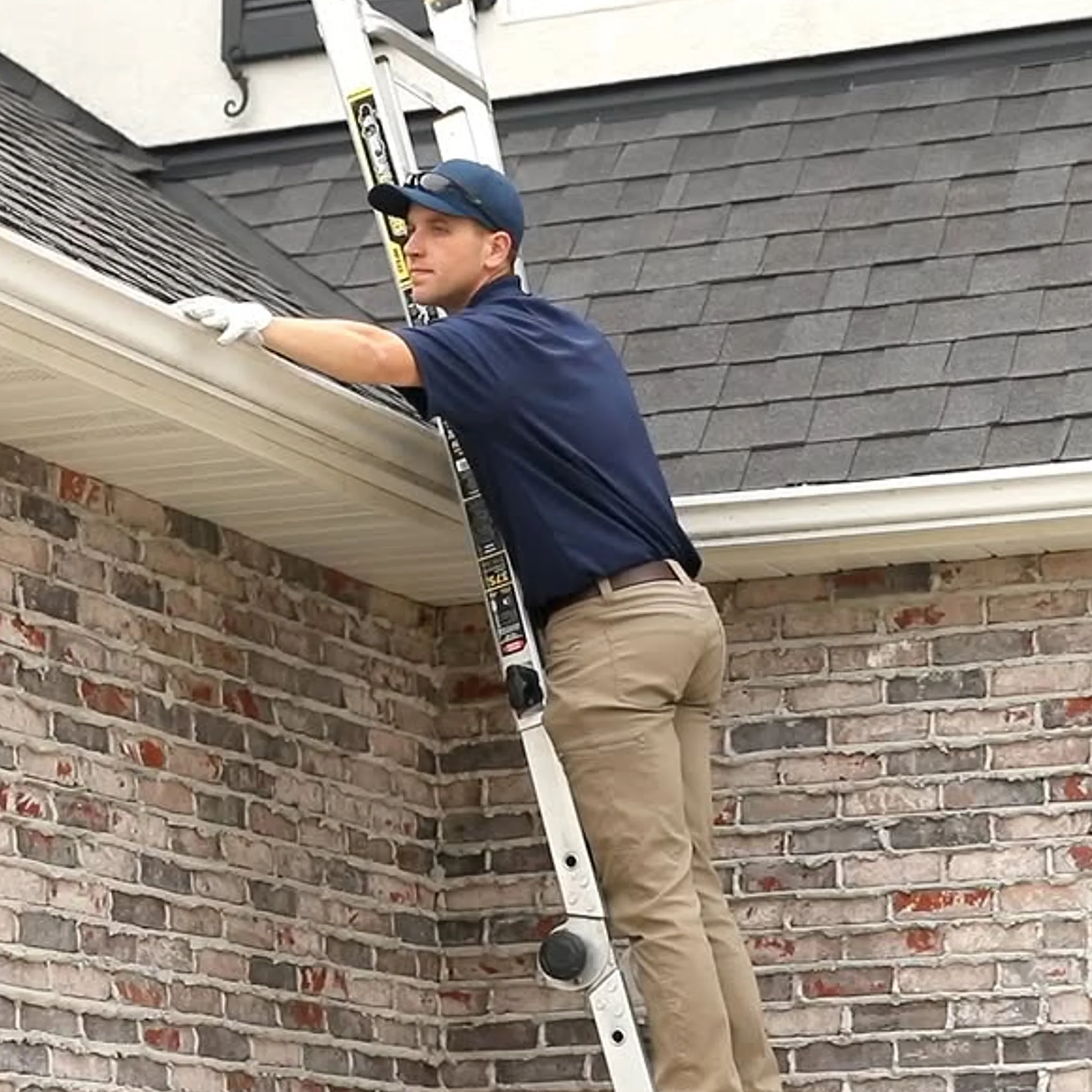
There is no point in grand gestures this time of year, only in making sure rot and draughts do not make themselves at home. Moisture and small cracks that become costly have a way of finding the corners you have let go. It is a matter of seeing what swells or will not open after a week of rain.
Moisture Trouble
Look at the eaves, fascia, trims and external doors for soft timber or peeling paint. You can identify where the paint has failed now and put off a touch up until the conditions are right. But do not think to put another layer over blistering paint; the moisture below will have the last word.
Mildew and mould are to be found on a southern wall or coastal cladding, use an appropriate method rather than risk older mortar or fragile paint. Home weatherproofing of seals and service penetrations is well worth doing in winter.
It is a common supposition that a leak will make itself known right under the source of the trouble. One would be wrong to think it always does. Water has a way of making its way behind cladding, under insulation and along the framing before you see any sign of it. A mark on the wall by a window could have originated with the roof flashing some distance off. So when damp marks put in an appearance time and again, leave the guesswork aside.
Make your one winter day count by turning your attention to the roofline, where drainage discharges and any mould on surfaces in the shade are to be found. The edging in the garden can be left for another time; an overflow over the bedroom ceiling is not something to put off.
Spring Exterior Checklist
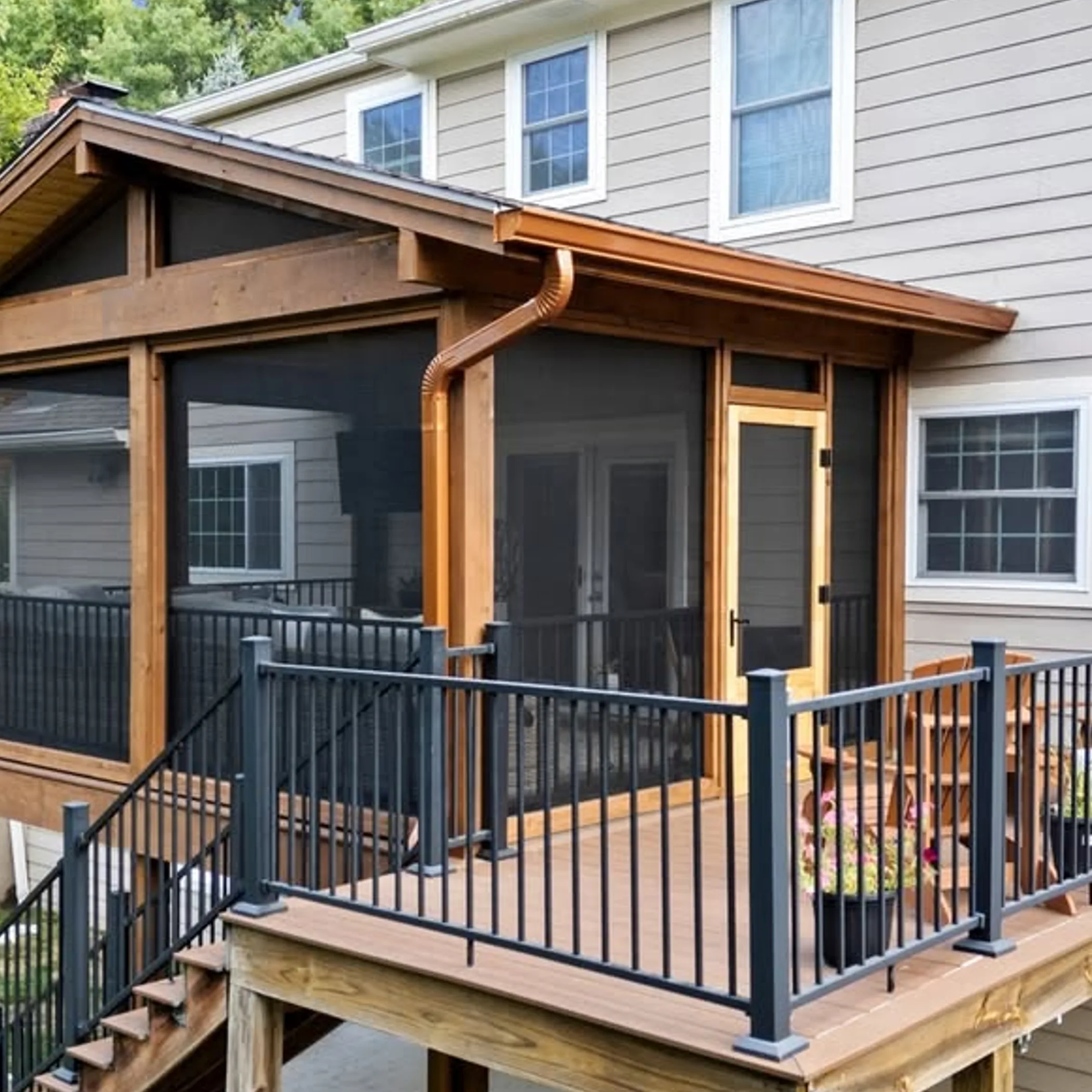
There is a certain misery to outdoor work in winter that abates in spring, which is why it is the season to do some repairs and reset. You can put winter’s handiwork in perspective and the weather is more conducive to drying.
But then there is the matter of enthusiasm getting the better of common sense. Many will put in a full clean without first ascertaining if they are going to exacerbate a bit of rotten trim, cracked render or loose pointing.
Clean First, Then Repair
Walls, fences, screens, decks, paths and paving should all be given a spring cleaning. Some built up grime on masonry will come away with a pressure washer but temper the pressure on softer stone, old mortar or painted timber and put a small patch to the test first. An afternoon of impatience is enough to ruin a finish you were set on preserving.
After that, inspect your irrigation and taps for pooling at the side of the house, failed connectors or a hose with a crack in it. Do not be fooled into thinking water going to waste by the foundations is of no consequence because the lawn is a little greener for it.
Book The Right Inspections
With warmer conditions bringing activity back in many parts of Australia and garden growth obscuring entry points, spring is a good time to put in a booking for a termite inspection Australia. You may be put on to local operators like Guardian Building Inspections or CureAll Pest, or use hipages to find a contractor. But make sure you check the scope, insurance and licences for yourself.
For maintenance ideas you might look to YourHome, O’Brien Real Estate, McGrath, Boda Building Group, HomeFront Australia, Reader’s Digest Australia, HomeHapi or property content from Australian housing resources. Yet in the end there is no substitute for a hands on inspection of your own place, however glossy the internet checklists. Houses are wont to be rough as guts in their own fashion.
Summer Exterior Checklist

You have to contend with the heat and UV, and in some parts of the country storms and the threat of bushfire. Sealants give way, timber dries out and what was once harmless clutter of leaves in the gutter becomes kindling.
A deck in the sun will not lie to you this season. The boards will fade, fixings work themselves loose and you will be made aware of any neglect while out with a tinnie putting on a show that all is well.
Protect Decks And Timber
Put in some maintenance and seal the deck before the surface is too thoroughly cooked. See to any raised grain or popped fasteners, balustrades that are not tight and places where water collects. Make a point of clearing leaf litter from the corners of the deck against the walls.
And do not be taken in by the coverage figures on the label. Once you factor in awkward edges and weathering, a real world finish demands more. Allow for the odd extra hour and product; between the cleaning, drying and recoating a suburban deck will have you occupied for most of the day.
Bushfire And Storm Readiness
In high risk zones bushfire maintenance is not optional. Identify gaps around the roofline and vents where embers can get in, clear the gutters and debris from under the deck and keep your defendable space in order. For those in northern Australia, the Top End or pockets of WA and Queensland, summer means being ready for cyclones and the like.
Leave steep roofs and damaged flashing to others, as does working at a height in hot and windy conditions. Any fool can do a DIY job to save money but you do not want to be the one recounting an ambulance tale at Christmas lunch. Safety, Hiring And Tools
Some exterior jobs are not to be done by the home owner. A well thought out maintenance plan has you recognising your own limits before a hot day or a slippery roof and a ladder have made the decision for you.
Abigail Winterbourne is as blunt as she is practical about it: do not expect a medal for coming close to the gutter in an effort to avoid a call-out fee.
Things To Have At The Ready
Your equipment should be of a certain standard. That means a good pair of gloves, eye protection, a hose with trigger nozzle, a stable ladder, bucket and scoop for the gutters, a soft brush, some sealant and mould treatment fit for outside use. Put down a notebook or use your phone to make a log of what season brings what kind of trouble; photos are more reliable than one’s memory which has a way of being preoccupied by lunch.
Logistics matter too. On a narrow suburban street you will want to have a plan for where contractor vehicles or ladders can be put. Make sure side gates, power lines and the slope of the ground are in order, and if the tradies are to be on the roof, see that patios are clear of furniture. It is a saving of time and money.
Calling In A Pro
- There is no point in attempting work at height on a two-storey or a steep roof yourself
- Nor with electrical hazards in wet areas
- Or where there is extensive termite damage, active infestation or any hidden defects
- If you are looking at recurring leaks, sagging gutters, structural rot, a storm damage claim or major drainage failure, leave it to them
By way of a guide, you can put a specialist inspection or maintenance visit at AUD 200 for something simple and in excess of AUD 800 when location, access and equipment come into play; a coastal or regional address will add to the cost. Insist on a written scope of works, “general exterior check” does not tell you much.
Seasonal Exterior Maintenance FAQ
Homeowners tend to put these questions to us after they have spotted a drip or a deck the colour of old Weet-Bix or some mould.
How often must one clean the gutters in Australia?
Twice a year is sensible for most, an autumn job and one prior to the bushfire or storm season. But where there is a lot of tree cover over the property, every two or three months is not unreasonable.
Can I pressure wash the walls?
Not always. Excessive pressure will see to the ruin of older mortar, painted timber, soft stone and weathered render. Test a spot first and choose your nozzle and pressure to suit the surface.
A roof inspection?
Once ahead of the local wet season is the bare minimum, and again post any big storm if you suspect so. An older roof with a propensity for leaks or under heavy tree cover warrants more frequent attention.
Is a termite inspection necessary when there is nothing to be seen?
You would be wise to have one. Termites are a hidden problem until it is too late. With garden beds and moisture sources in proximity to the house, an annual booking is a sound practice in most of Australia.
The ideal time to put a sealer on the deck?
When it is dry and mild and the timber is properly so. Do not do it in extreme heat or on the cusp of rain, the finish and cure will not be what you want.
To Wrap Up
Adopt a seasonal plan that is easy to stick to. Divide up the work between the seasons, give water management and safety priority and think of cleaning as a form of protection, not just for show.
Take this from the guide: the roofs, decks and drains of a home do not all go at once, they make their displeasure known. Act on it early and you will find the exterior of your home a good deal easier to run come 2026 and after.